
Explore the full report
Advancing adaptation: Mapping costs from cooling to coastal defenses estimates the costs of climate adaptation using a granular, geospatial analysis and examining 20 proven, cost-effective adaptation measures.
The McKinsey Global Institute analyzed how nine climate hazards manifest today and how their patterns might shift as the world warms, in an effort to understand the costs and benefits of adaptation.
We find that today, about 40 percent of the Earth’s landmass experiences hazards including severe heat, destructive wildfires, prolonged drought, and severe flooding, which are rooted in current local patterns of weather extremes.1 Heat, wildfires, and drought affect wide swaths of land, while flooding hazards are often more localized, shaped by geography, coastlines, and local rainfall. In addition, some 35 percent of the world’s terrain experiences freezing days (see sidebar, “The hazards we examine”). In response, many places around the world have implemented measures to adapt to these hazards.
Yet today’s view offers only a snapshot of what is actually a moving picture. Global temperature increases of 1.5°C and 2°C, anticipated by roughly 2030 and 2050, respectively, under the current trajectory of global emissions, will cause kaleidoscopic local shifts.2
The hazards we examine
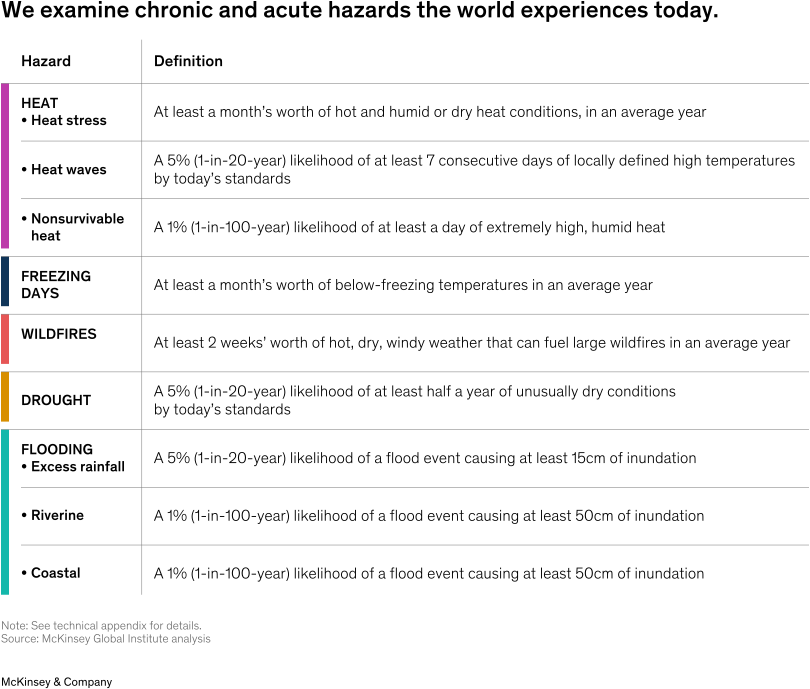
We analyze nine types of hazards across categories—heat, wildfires, drought, flooding, and cold—to understand how people and places are exposed to them today and going forward, and analyze the costs to adapt.
While hazards are often described as “extreme weather events,” in climate science the term refers to broadly both chronic and acute hazards. Three hazards we examine, heat stress, wildfire weather, and freezing days are chronic and happen every year in the places that are exposed to them. The remaining six hazards we analyze—coastal flooding, riverine (fluvial) flooding, flooding caused by excessive rainfall (pluvial), heat waves, nonsurvivable heat, and drought in agricultural areas—are acute, meaning they are intense but rare events. For acute events, places may be exposed to them, but the actual event may not manifest every year.
These hazards can occur along a continuum of intensity, frequency, or duration, requiring a threshold for each in order to define the hazard. Thresholds can be established in various ways. Since our focus is on understanding and quantifying adaptation costs, we define them by drawing on protection standards commonly established in developed economies. Of course, even though the hazards we examine are considered meaningful enough to protect against, not all hazards are created equal and their impacts could be very different. Heat stress, defined as more than a month of very hot and humid conditions each year, and heat waves, rare, multiday occurrences of local temperature extremes, can differ markedly in the nature and magnitude of their impacts, but both are considered important enough to warrant protection. Similarly, coastal flood protection standards in developed economies typically aim to withstand a one-in-100-year flood event, while pluvial flood protection standards often correspond to a one-in-20-year flood event.
Because protection standards are not always strictly defined, we exercised some judgment in our choice of thresholds and further validated them using literature from the Intergovernmental Panel on Climate Change (IPCC) on typical hazard definitions and their impacts (exhibit).1 Continued efforts are needed to develop robust and comparable ways to quantify the impact of hazards and their link to adaptation metrics.
Naturally, impacts do not begin to appear only when a particular threshold is crossed. Rather, our thresholds are a way to dimensionalize exposure and protection levels and apply a consistent approach in line with typical design standards for protection.2 We focus on a subset of climate hazards that meet three criteria: (1) they have a well-established and direct link to climate change as the primary driver; (2) they are not slow-onset events, the impacts of which emerge over time; and (3) they have sufficient data to enable spatial analysis.3
For example, the link between water stress and climate change is not direct, since other factors, particularly population growth and rising demand for water, are at play.4 While these and other hazards may be highly relevant for adaptation planning in any given location, they fall outside the scope of our global analysis. See the technical appendix for more details.
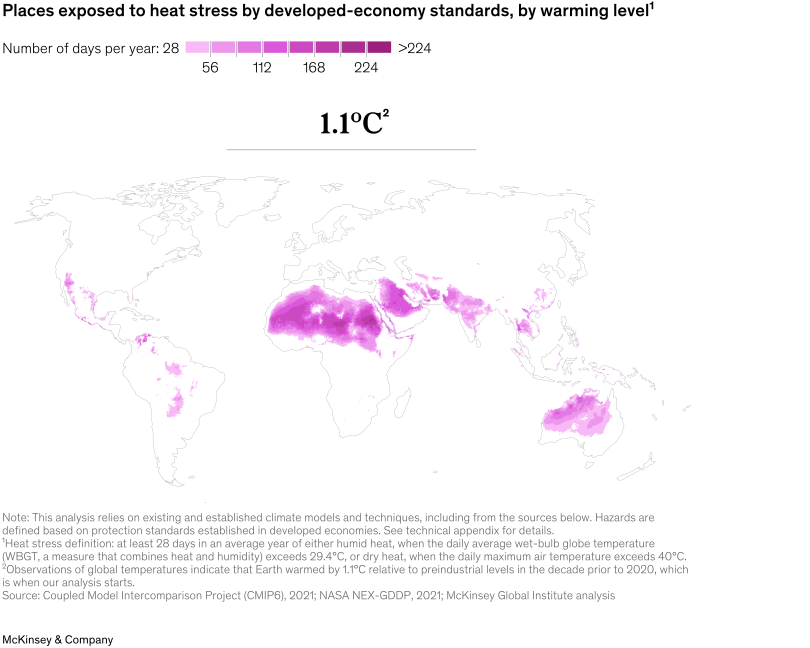
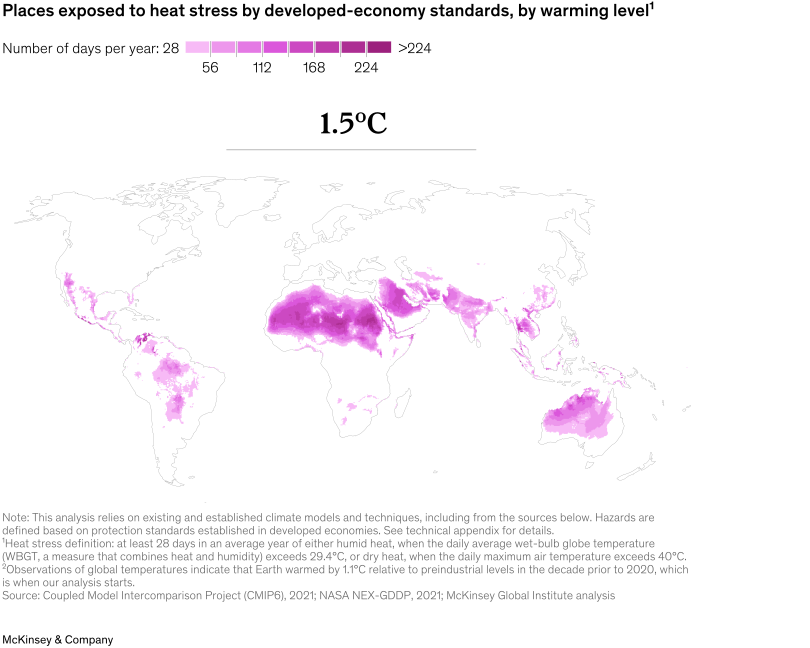
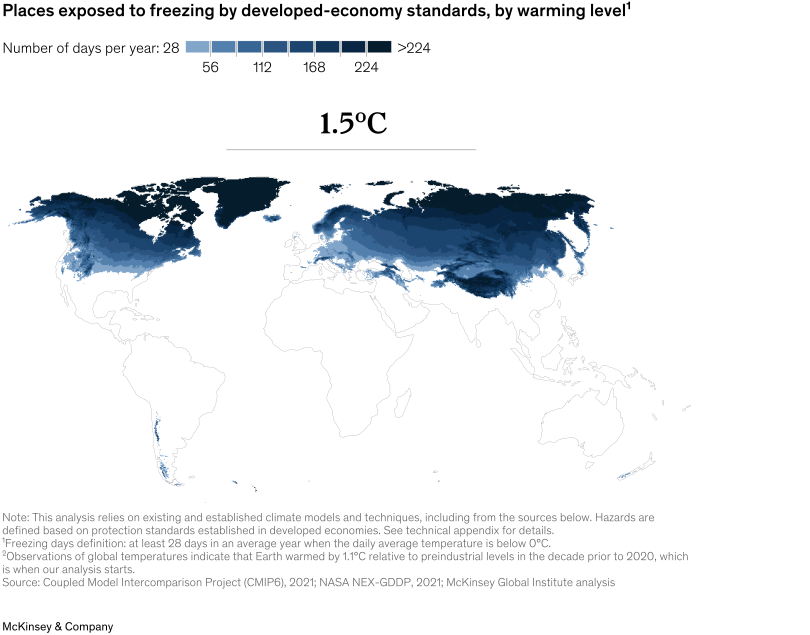
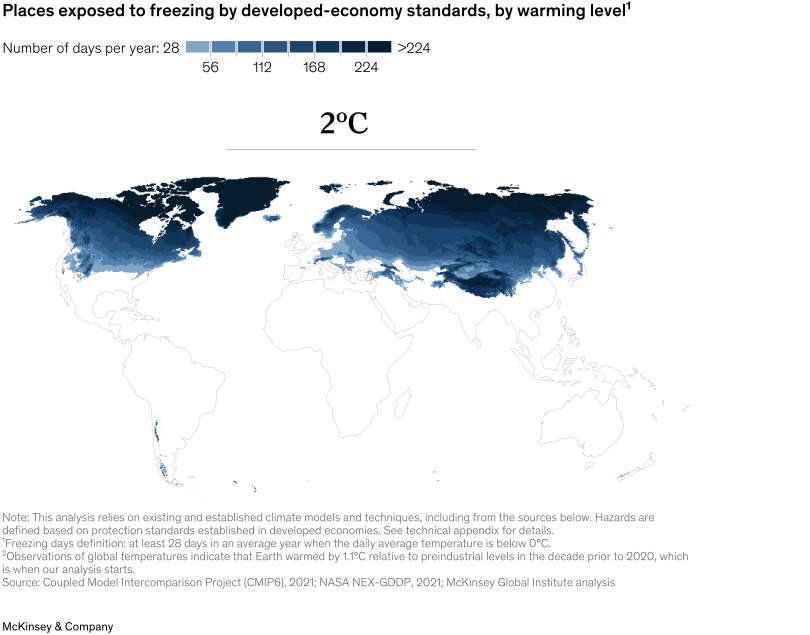
Importantly, change will occur, but not everywhere, not in the same way, and not all at once. While many hazards will spread across more parts of the world, some will not. Freezing is expected to decline, and in some small areas, drought or flood risks may also decrease—even while increasing in others. Hazards may not shift in the same way, either. Many will intensify, lengthen, or happen more frequently as the planet warms, but the scale of the change and where it occurs will vary. For example, regions like Latin America and parts of emerging Asia could face much longer periods of heat stress at 2°C, whereas India, already subject to prolonged heat conditions, is likely to see a smaller relative increase. Finally, exposure to hazards won’t increase all at once; more places are expected to become exposed between now and 1.5°C, and still more by 2°C.
The following hazard spotlights explain where, when, and how each type of hazard could change as global temperatures rise from current levels to 1.5°C and 2°C above preindustrial levels. For each hazard, we highlight the change, whether in intensity, frequency, or duration, that matters most for guiding adaptation planning.3 Naturally, the prevalence of a hazard does not necessarily mean places need to or will adapt to it, but understanding today’s patterns of extreme weather and their evolution is the first step in adaptation planning.
In doing this work, we could define hazards in many ways, influencing the results shown here. Since our focus is on understanding and quantifying adaptation costs, we define hazards using protection standards typically established in developed economies. And, of course, even though all the hazards examined here are considered meaningful enough to protect against, they are not all created equal, and their impact can be very different. For example, heat stress events are prolonged periods of high heat or humidity, lasting more than a month each year, that broadly affect labor productivity and health. By contrast, heat waves are rare, short-lived, localized extreme heat events that particularly put vulnerable populations at risk.
Since we aren’t climate scientists, we rely on external climate models, primarily those used in the sixth assessment report by the Intergovernmental Panel on Climate Change (IPCC).4 In using these models, we have employed standard techniques to manage uncertainties inherent in climate modeling, though we recognize that important residual uncertainties remain (see the technical appendix for more details). Thus, the results presented here are not high-resolution predictions of climate hazards in specific places around the world. Rather, they are directional assessments of how hazards could evolve. This serves as the basis for our order-of-magnitude assessment of adaptation costs and benefits across the world.
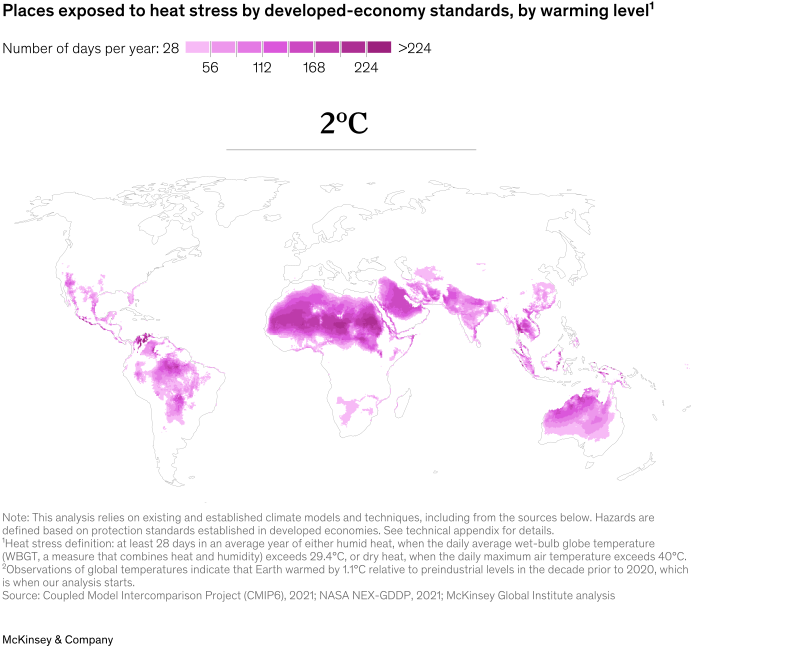
Heat stress: Present across the tropics today, becoming more widespread and prolonged at 2°C
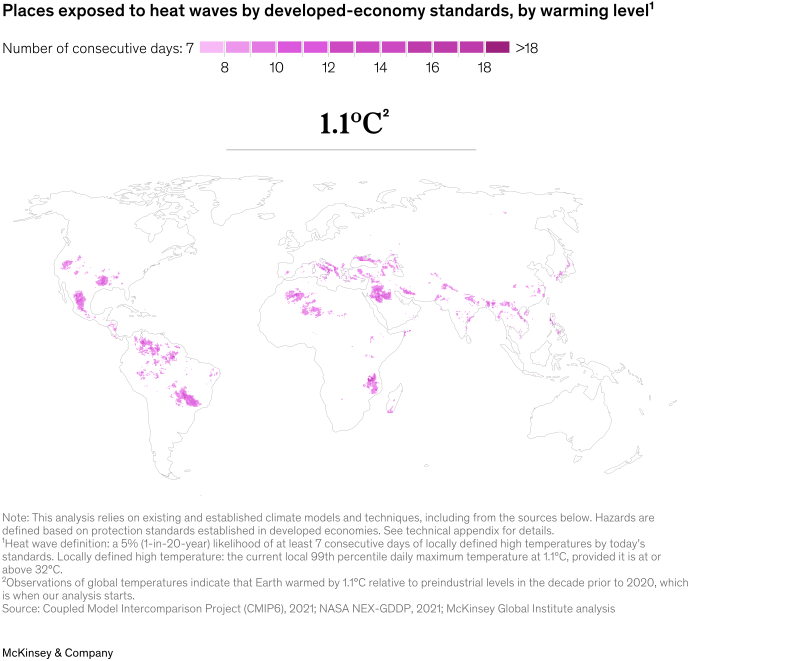
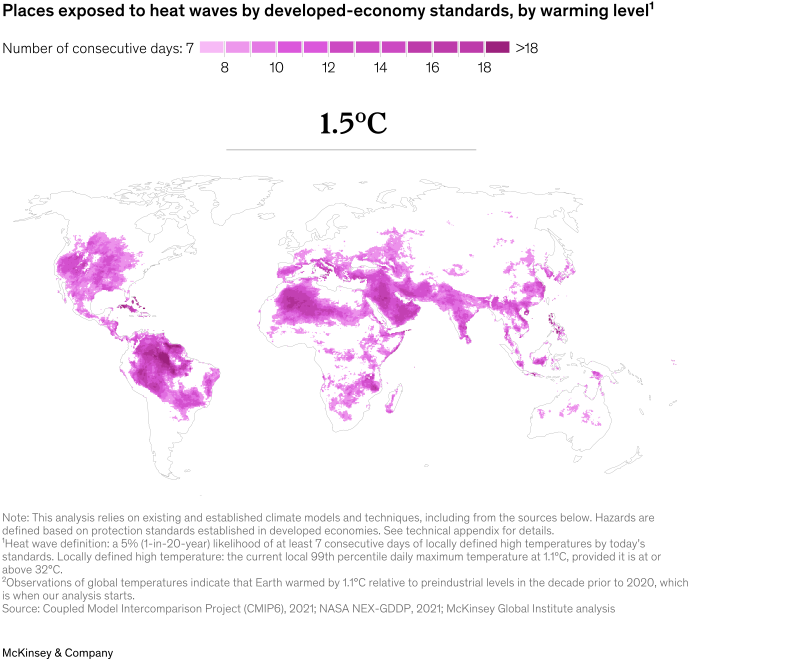
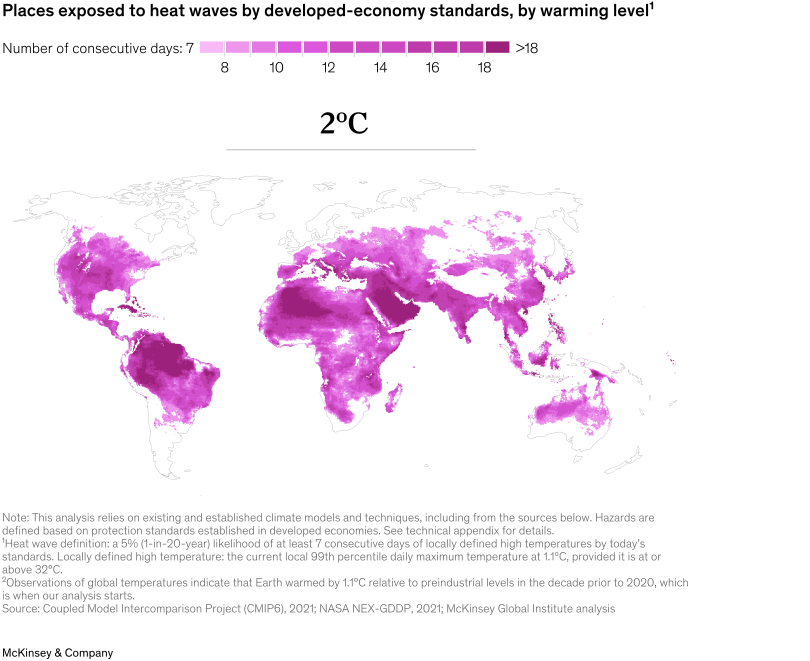
Heat waves: Clustered today in a few places in the tropics and subtropics, spreading at 1.5°C and beyond
Nonsurvivable heat: Extremely rare today, becoming slightly more widespread and likely at 2°C
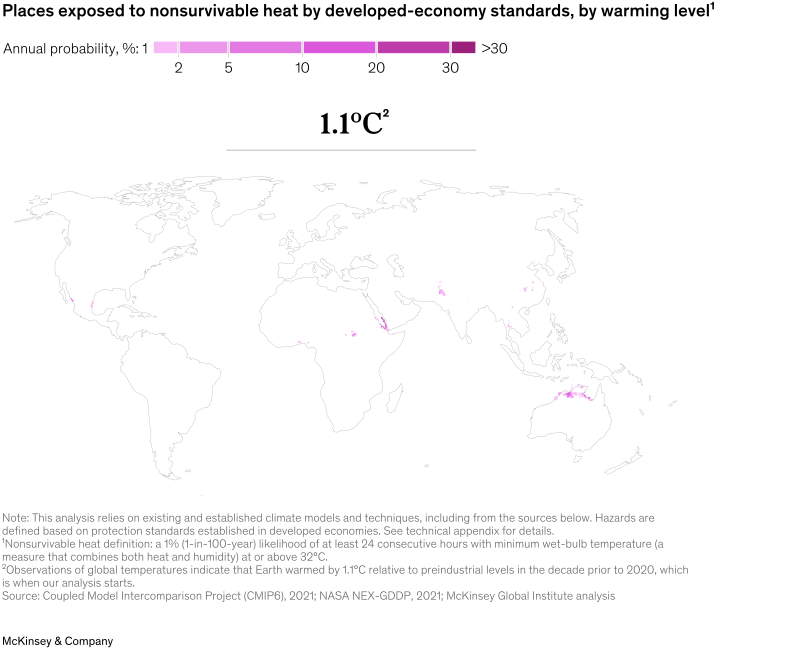
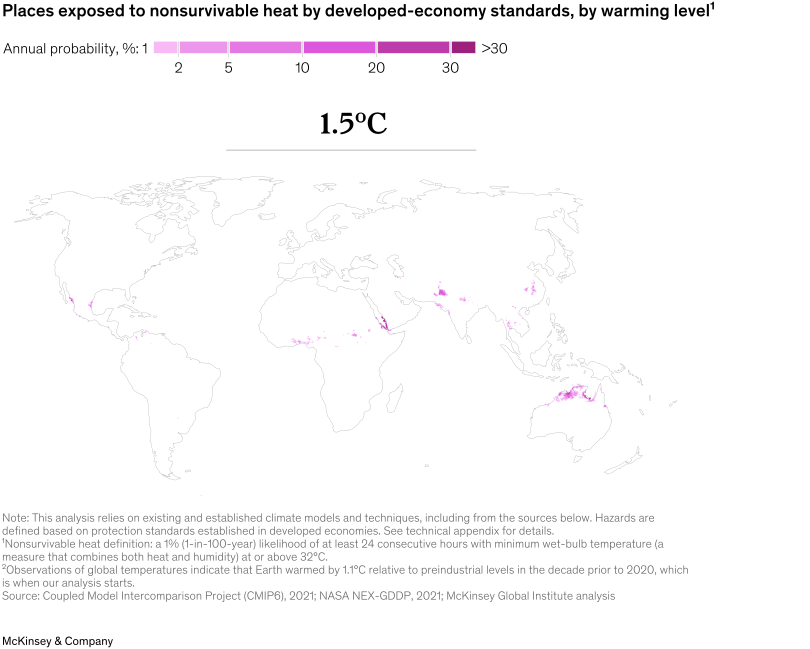
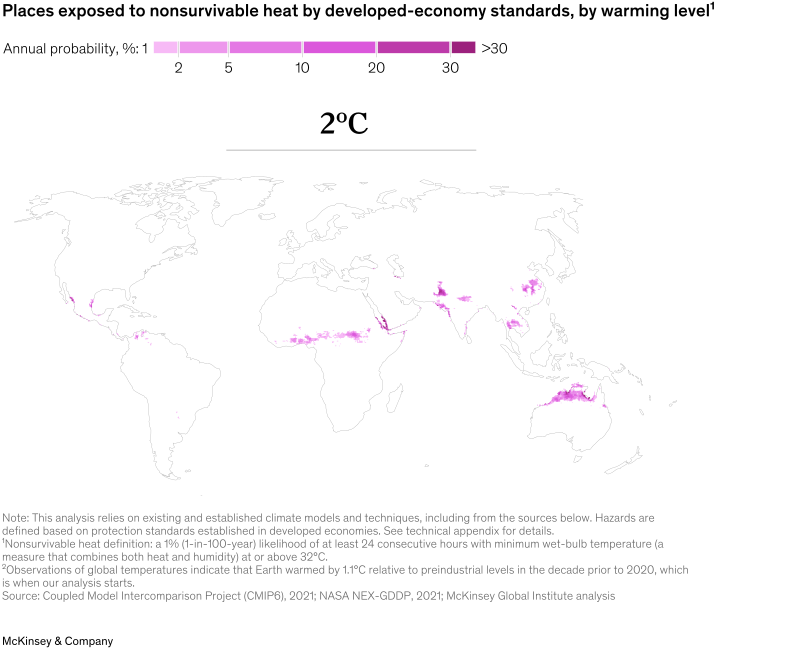
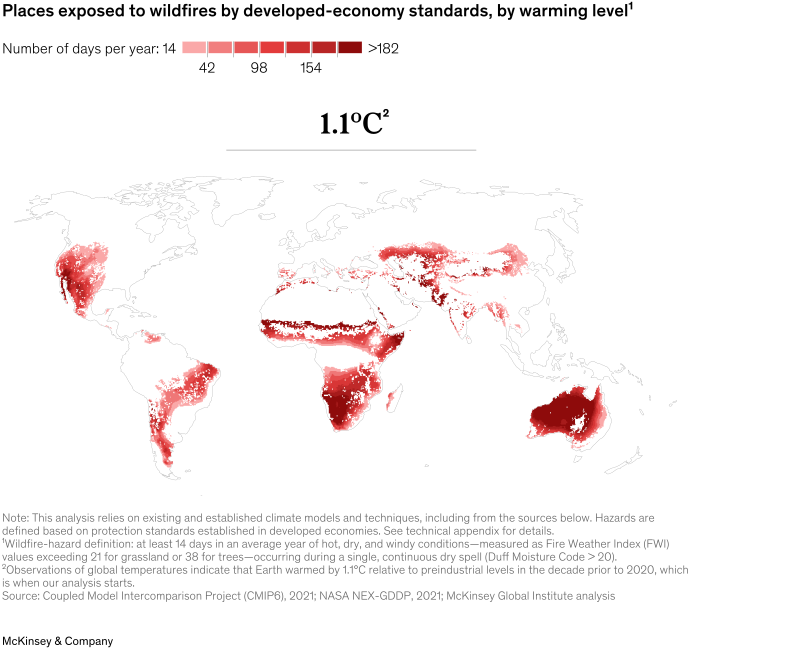
Wildfire weather: Present today, lengthening slightly, and becoming somewhat more widespread at 2°C
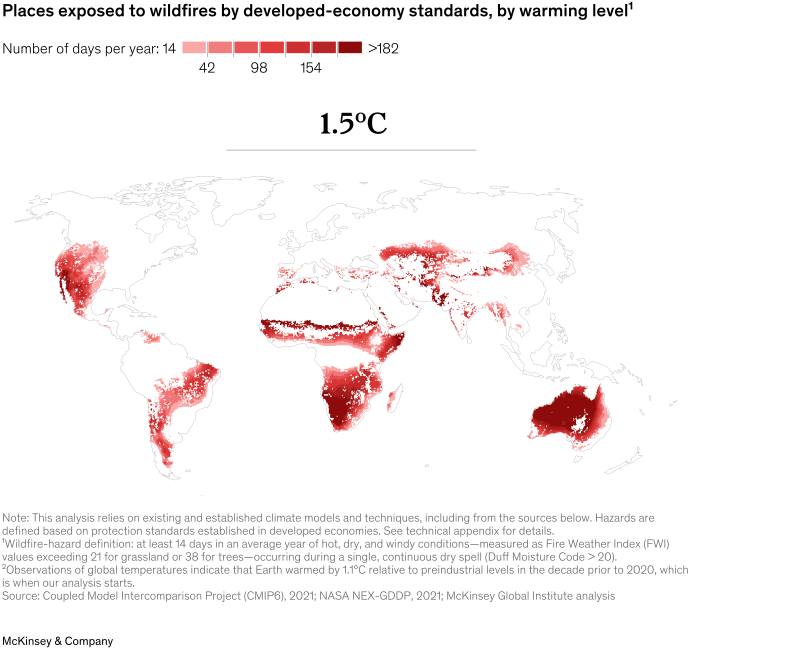

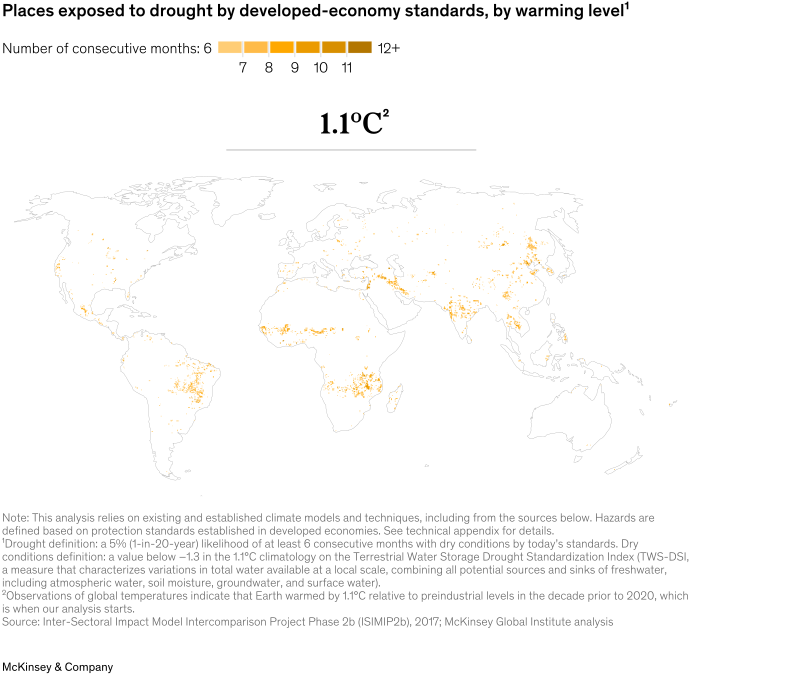
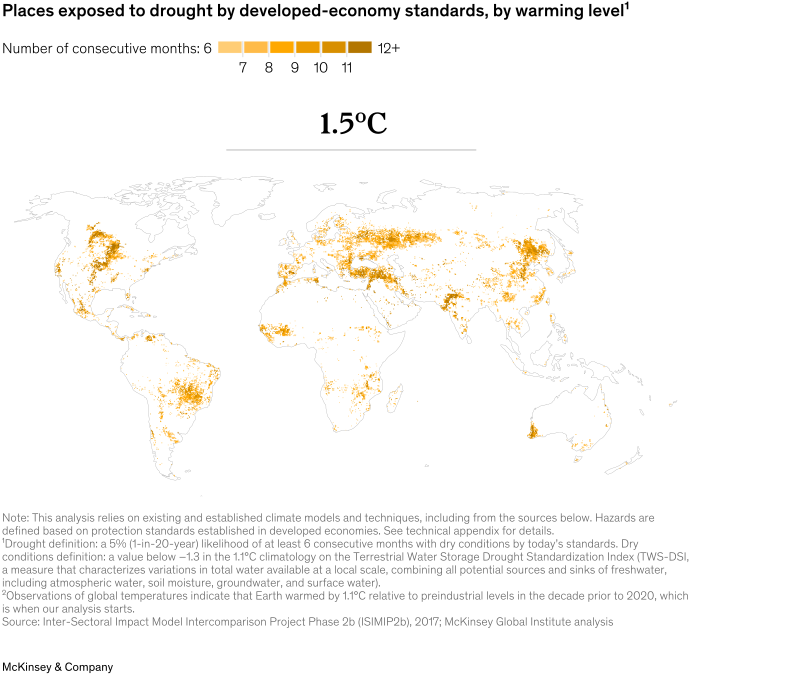
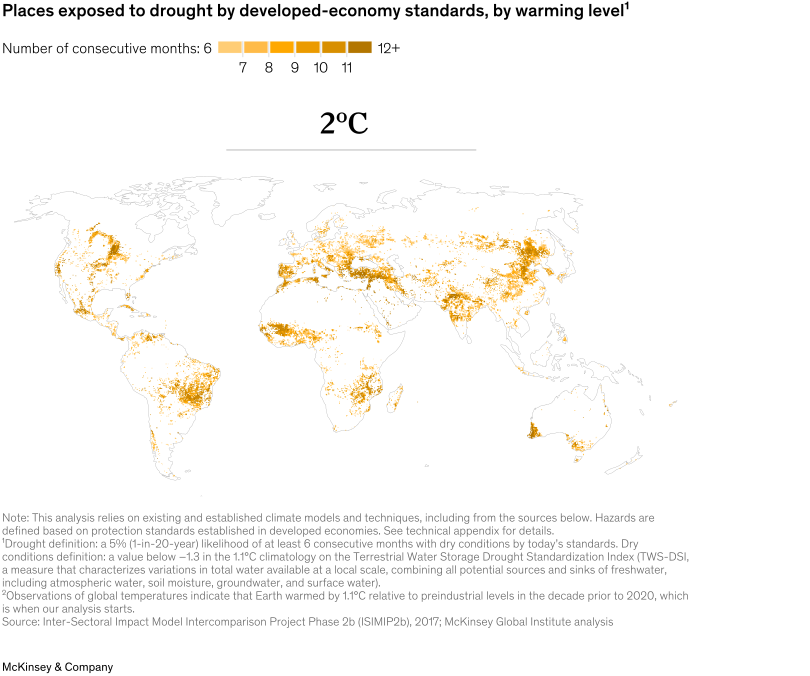
Drought: Present today in some parts of the world, expanding and lengthening at 1.5°C and beyond
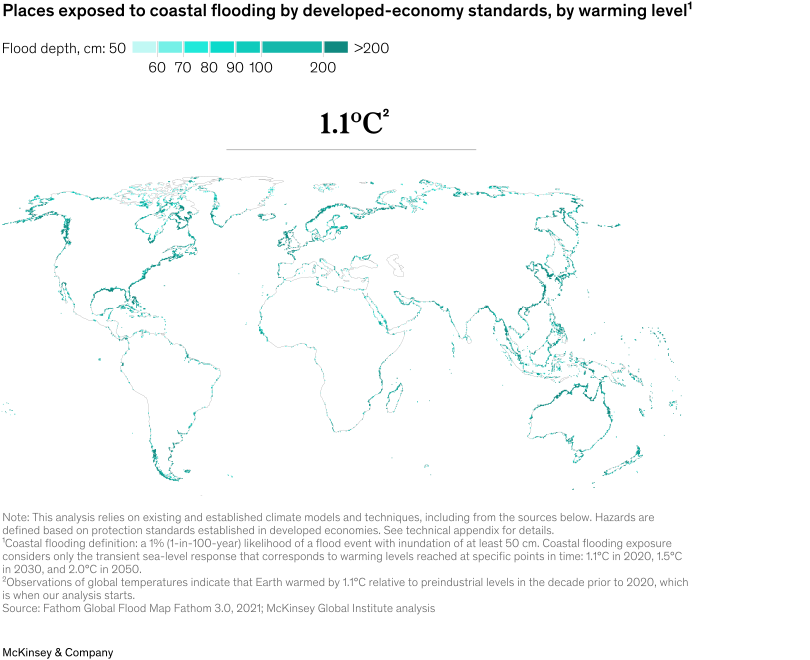
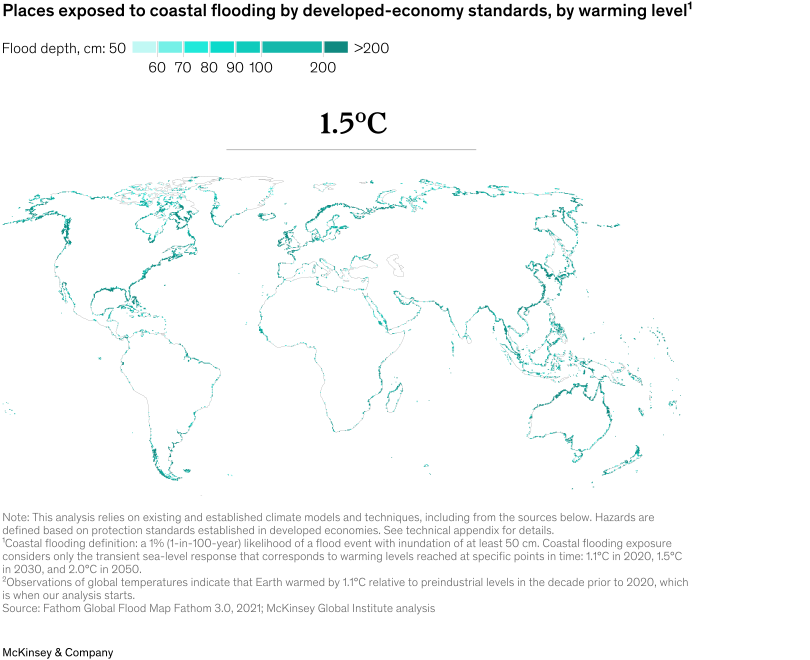
Coastal flooding: Rare events today expected to occur more often across many low-lying regions at 2°C, with some intensity increase

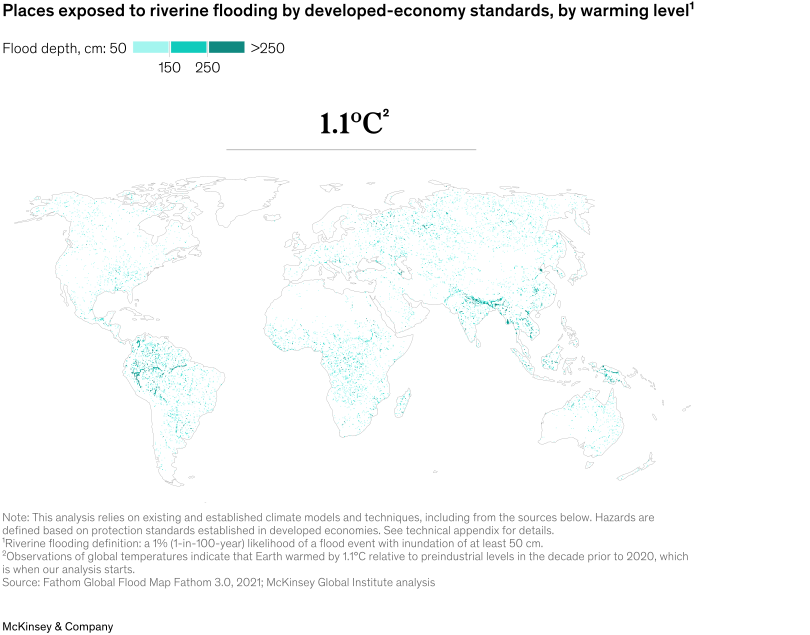
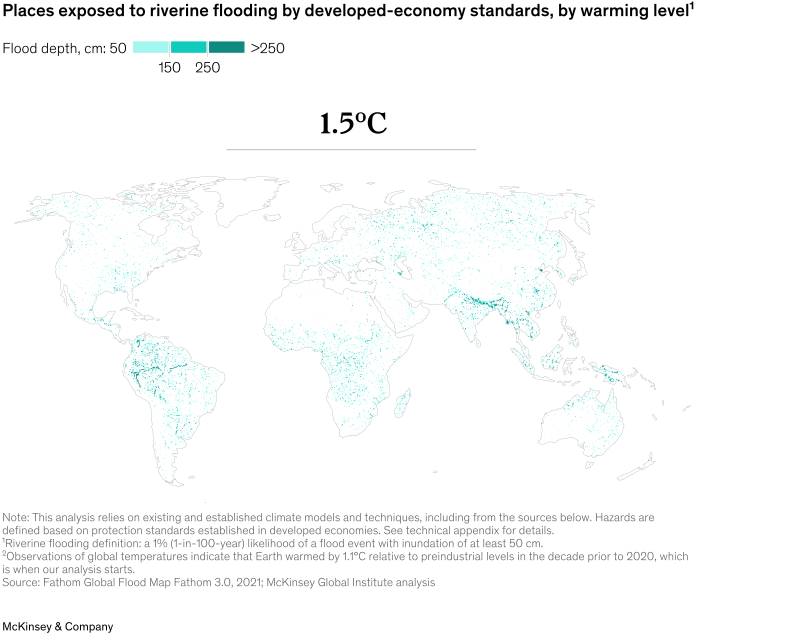
Riverine flooding: Present today, with slightly greater extent and some frequency and intensity increase at 2°C

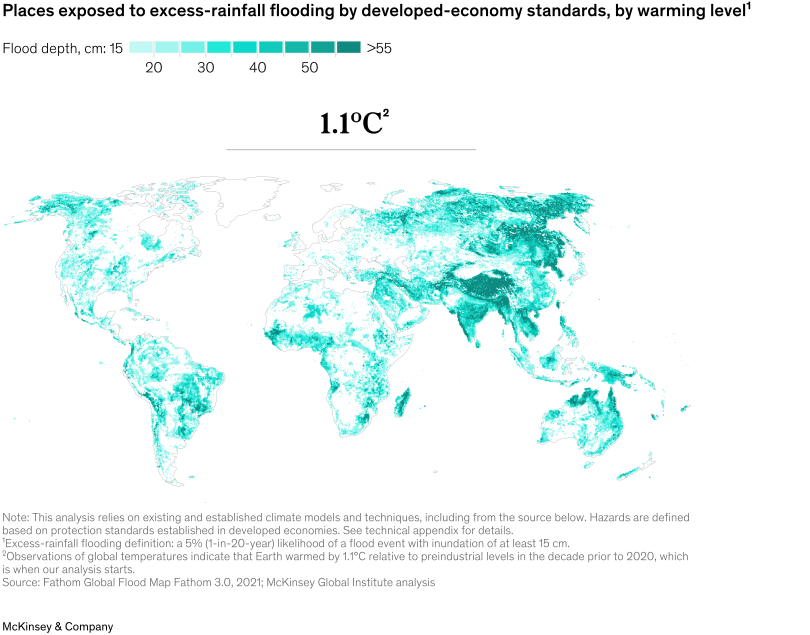
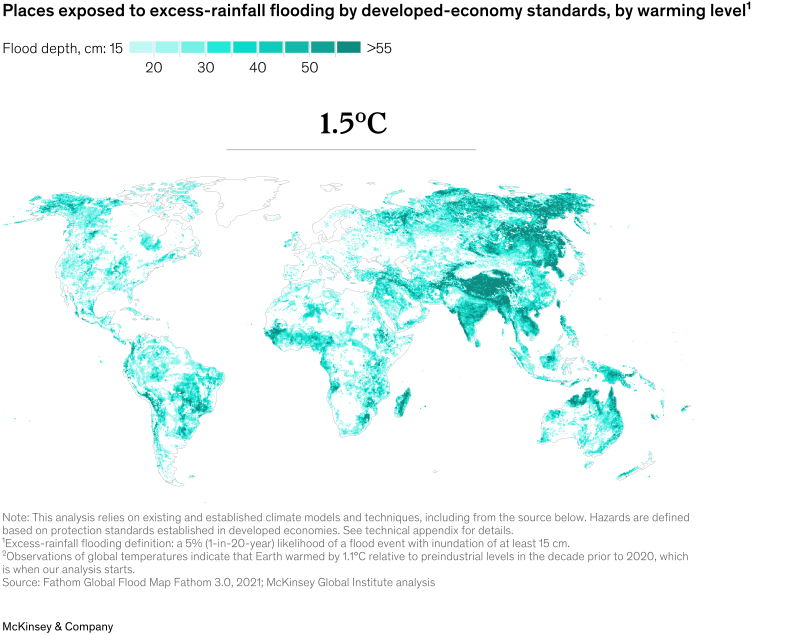
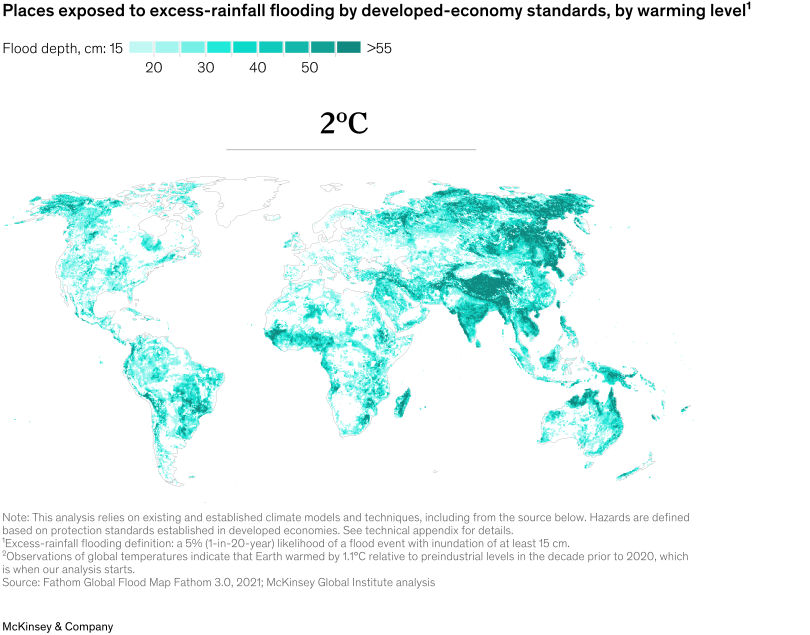
Excessive rainfall flooding: Widespread today, expanding in reach at 2°C
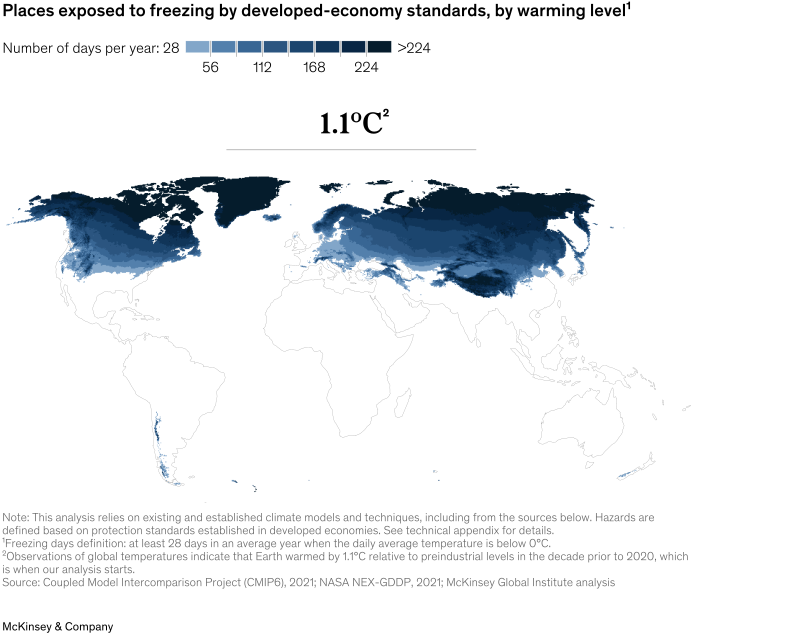
Freezing days: Common today across temperate and polar regions, becoming less widespread with warming at 1.5°C and beyond
Related Articles
Advancing adaptation: Mapping costs from cooling to coastal defenses