Executive summary: The evolution of Japan’s pharmaceutical industry
Japan’s pharmaceutical industry is entering a decisive decade. Over the past ten years, the country has maintained its position as one of the three or four largest biopharma markets globally, valued at around $75 billion in 2024. The industry has earned recognition for regulatory efficiency, resilient supply chains, and innovation, particularly in oncology and rare diseases.
Yet mounting pressures are challenging the foundations of its long-standing operational model. Repeated drug-price revisions, the accelerating penetration of generics and biosimilars, and demographic shifts are straining the country’s healthcare economics. Supply chain vulnerabilities have been exposed, while new government expectations on economic security demand greater domestic resilience.
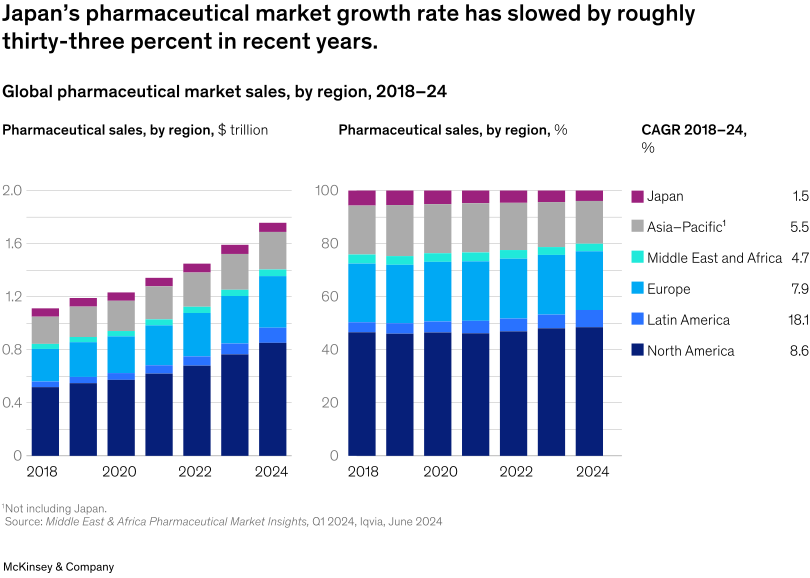
At the same time, rising compliance standards and digital disruption are testing traditional operational models, even as global peers race ahead on digital transformation and automation. With market growth slowing substantially to 1.6 percent between 2019 and 2024, the question for pharma leaders in Japan is no longer whether their operational excellence must evolve, but how quickly they can achieve it to safeguard competitiveness and supply reliability.
Trends likely to impact the operations landscape
Operational models are under pressure from rising compliance standards, plateauing performance, and digital disruption. AI offers potential productivity gains but requires new processes and talent. Manufacturing is shifting toward continuous production, modular plant-in-plant models, and smart automation. Externally, geopolitical tensions, nearshoring, and fast-growing emerging markets call for greater resilience within established ones. Sustainability has become a license to operate, with investors, regulators, and customers expecting net-zero strategies. Contract development and manufacturing organizations (CDMOs) are increasingly vital, enabling advanced, flexible manufacturing for new modalities.
What does this mean for Japan? For Japanese COOs, these global trends present an opportunity to prioritize plant operations modernization. They can do so through targeted capital expenditures, high-impact automation, accelerated digital-quality initiatives, and stronger collaboration with domestic and overseas CDMOs to maintain competitiveness against domestic cost constraints.
Themes for the future of Japanese pharmaceutical operations
Modernizing pharma operations in Japan can be achieved through five strategic priorities: advancing toward AI-powered zero-error operations,1 building low-touch “sentient” manufacturing processes to reduce costs, enhancing production flexibility and agility through miniaturization, expanding CDMO partnerships for global scale, and integrating green networks to align cost leadership with sustainability. Taking these steps could position Japan as a global industry benchmark for quality, efficiency, and resilience. In interviews with industry leaders in 2024, one executive remarked that “Japan’s pharmaceutical market is at a crossroads. The decisions we make today—whether in innovation, digital adoption, or sustainability—will determine our relevance in the global market over the next decade.”
Against this backdrop, this report examines the evolution of Japan’s pharmaceutical sector, highlights potential disruptions and opportunities, and proposes strategic priorities for companies aiming to sustain global leadership.
A phased road map can guide action. Over the next six to 12 months, Japanese pharmaceutical leaders could pilot digital systems, assess supplier resilience, and evaluate CDMO partnerships to enhance supply stability. Over the following one to three years, scaling targeted capital expenditure automation and embedding sustainability metrics into procurement will be critical to preserving Japan’s reputation for reliability and quality.
The evolution of Japan’s pharmaceutical industry: Triumphs and trials
Japan’s pharmaceutical industry has built a formidable global position over several decades. This chapter traces the key drivers of that success and the internal and external forces now testing it.
A legacy of global leadership
Japan’s pharmaceutical industry has long been a cornerstone of the global healthcare ecosystem. With a market size exceeding $75 billion in 2024,2 the country remains a leader in developing and consuming innovative drugs. Japan’s healthcare system, characterized by universal health insurance coverage and government-regulated drug pricing, ensures widespread access to high-quality medicines.
However, growth has slowed in recent years, with a CAGR of approximately 1.5 percent from 2019 to 2024 (Exhibit 1), reflecting the impact of pricing reforms, a slowdown in innovative drug launches, and increasing competition from generics and biosimilars.
An R&D executive from a leading Japanese pharmaceutical company noted in 2024, “While Japan has historically been a leader in innovation, we are now seeing increased competition from emerging markets and need to rethink our approach to global collaboration.” At the same time, continued updates to the country’s National Health Insurance drug-pricing system and a growing emphasis on stable supply obligations are intensifying pressure on manufacturers to enhance both cost efficiency and operational resilience.
Key factors behind Japan’s pharmaceutical success
Japan’s pharma industry has leveraged a combination of homegrown capabilities and favorable structural conditions to build its global standing.
Strong innovation pipeline
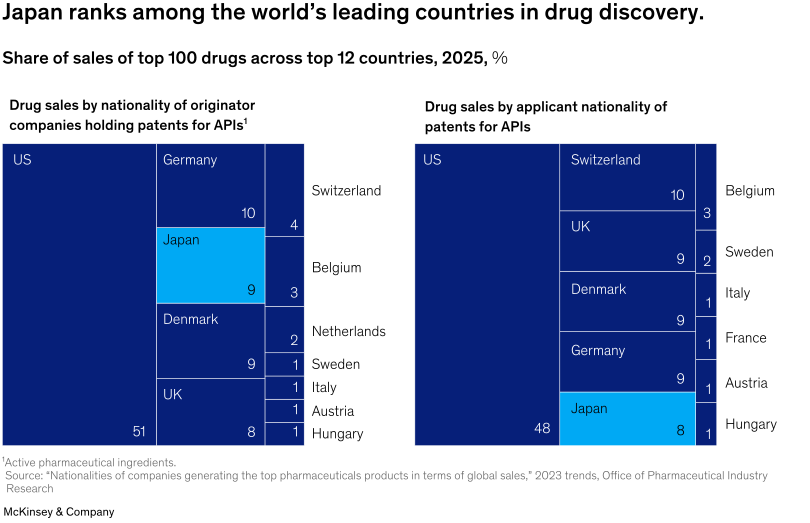
Japan’s sustained investment in R&D has been the defining driver of its pharmaceutical standing, with the industry continuing to lead in areas such as oncology and rare diseases. In 2023, Japanese companies developed eight of the top 100 drugs by global sales. Based on the number of applications by applicant nationality—which reflects the real-world drug-discovery landscape—Japan ranks third, after the United States and Germany (Exhibit 2).
Efficient regulatory environment
Japan’s regulatory framework ranks among the most efficient globally, with median review times of under 12 months for new drugs. The industry has benefited from and has actively engaged with a regulatory environment that supports innovation—most recently through 2025 updates to Japan’s Pharmaceuticals and Medical Devices Act, which has created a more favorable environment for innovation in pediatric, rare-disease, and regenerative-medicine products.
Broad patient access
Japan’s universal health insurance system has provided a stable, high-volume domestic market by ensuring broad patient access to innovative therapies. With out-of-pocket expenses limited to 10 to 30 percent, and additional protections through the high-cost medical-care benefit system and subsidies for designated intractable diseases, Japanese pharma companies have been able to develop and commercialize therapies with reliable domestic demand as a foundation.
Agile market-entry programs
The Pharmaceuticals and Medical Devices Agency’s (PMDA’s) Sakigake (先駆け審査指定制度) and Priority Review (優先審査) programs have fostered faster development cycles while maintaining rigorous oversight. Under these conditions, Japanese companies have accelerated the time to market for innovative therapies.
Trends that may impact Japan’s pharmaceutical industry
A combination of local disruptions and external challenges is actively reshaping the industry’s operating environment.
Local disruptions
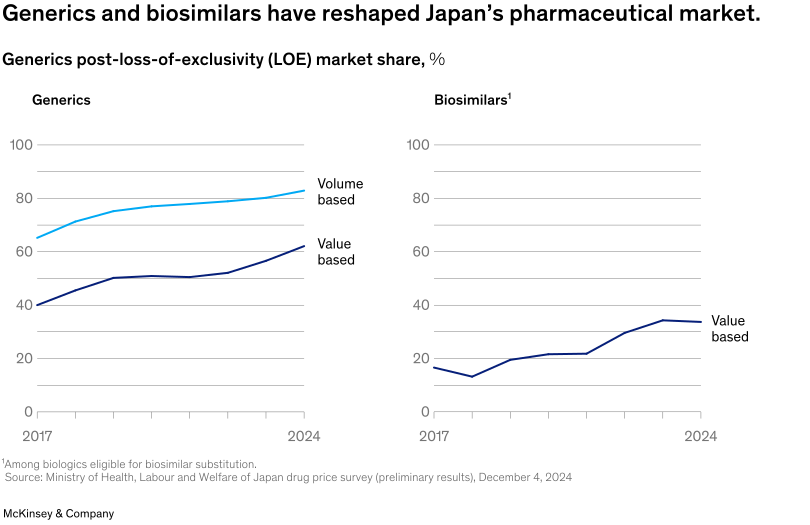
Shift toward generics and biosimilars. Government policies promoting generics and biosimilars have reshaped the market. By 2024, generics accounted for more than 80 percent of prescriptions by volume in the post-loss-of-exclusivity market, while biosimilars represented approximately 34.3 percent of market value in 2023 (Exhibit 3). This shift has pressured revenues from long-listed products and pushed continuous innovation for new-drug manufacturers. Meanwhile, generics and biosimilar companies should ensure a stable supply with quality compliance. Following several high-profile quality incidents among domestic generics manufacturers between 2020 and 2023, Japan’s Ministry of Health, Labour and Welfare (MHLW, 厚生労働省) has intensified inspections. Generics firms are now investing in quality-management maturity frameworks to rebuild trust and ensure supply stability.
Digital transformation
The pandemic changed how healthcare professionals (HCPs) access medical information and how patients engage with their health, driving increased use of e-detailing, webinars, and online patient engagement. These changes have reshaped traditional sales and marketing models. In Japan, however, digital adoption faces structural challenges, as many plants rely on workforces accustomed to manual processes. Operator-friendly digital interfaces and hybrid human–AI workflows offer a pathway to sustainable adoption—and an opportunity to build workforce digital fluency over time while maintaining operational continuity.
Rising quality and supply standards
Japan’s focus on quality and compliance has spurred investments in advanced manufacturing technologies and quality systems, ensuring global competitiveness. In 2025, amendments to The Pharmaceutical and Medical Device Act (薬機法) introduced new regulations to ensure quality and stable supply.3
External challenges: Geopolitics and shifting demographics
Geopolitical and trade dynamics continue to create uncertainty, with ongoing global negotiations potentially disrupting supply chains, increasing costs, and complicating market access—particularly given evolving US pricing considerations. At the same time, Japan’s rapidly aging population, with 29 percent aged 65 or older as of 2024, is shifting demand to therapies addressing chronic and age-related conditions.
Trends likely to impact the operations landscape
Japan’s manufacturing labor productivity—currently 25 to 30 percent below the OECD average—reflects a sector still in the early stages of process digitization. For pharma companies operating in Japan, this represents a meaningful opportunity to improve operational productivity through targeted digital investment. While Japanese pharmaceutical companies have historically met the high-quality standards demanded by customers and regulatory agencies, the bar for quality excellence continues to rise.
Several forces are likely to reshape traditional plant operations, such as disruptions driven by digital technologies, the evolution of smart automation, and the transition to next-generation therapies and new modalities.
These evolving networks will face a more complex set of forces: Geopolitical uncertainties may become more frequent, with pockets of nearshoring emerging. Beyond the United States, Europe, and Japan, emerging markets are expected to expand as the new value pools. Sustainability in operations will become an important consideration. And global trends could fuel the growth of CDMOs. Together, these trends are propelling the pharmaceutical industry to the brink of a transformative era.
Trends shaping internal operations networks in Japan
Several interrelated forces—from plateauing performance gains to digital disruption—are converging to reshape how pharmaceutical plants operate in Japan.
Plateauing performance improvements
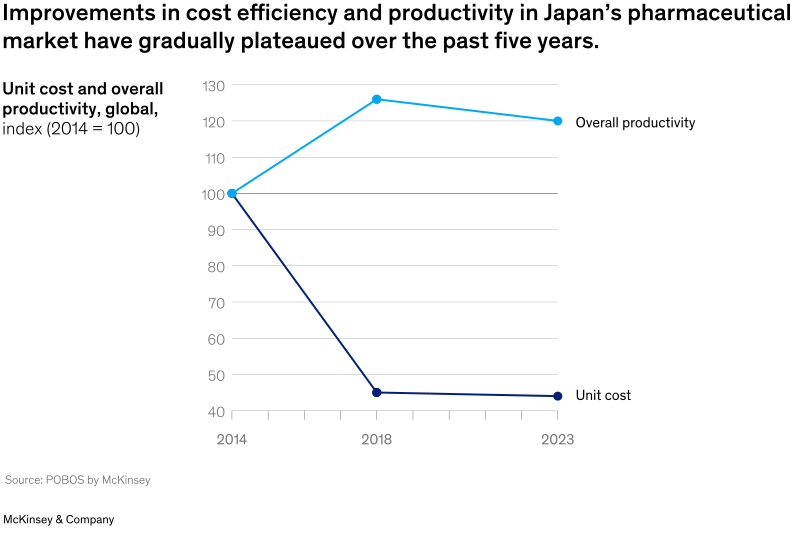
While pharmaceutical operations have improved globally in recent years, performance gains have begun to plateau as traditional operational-excellence levers reach their full potential (Exhibit 4).4 To innovate toward the next wave of performance improvements, pharmaceutical companies need to take proactive steps to achieve the next S-curve of plant operations leadership.
Evolving bar on quality excellence in plant operations
Although the industry has already made significant investments to enhance quality standards, expectations continue to evolve. This is reflected in the new guidelines and best practices issued periodically by regulators. For example, the US Food and Drug Administration’s (FDA’s) Quality Management Maturity framework (QMM, 品質マネジメント成熟度) emphasizes quality cultures, advanced quality management practices, and enhanced supply chain reliability, encouraging continuous improvement to minimize risks to product availability.5
Inspection trends from the FDA reveal an evolution in global compliance priorities. As core current good manufacturing practice (cGMP) capabilities, process controls, and data integrity have become more broadly established, related inspection findings have declined by 3 to 4 percent over the past six years. Regulatory focus has correspondingly shifted toward more complex quality-system gaps: alignment between practices and written procedures, facility maintenance, and the rigor of investigations such as root cause analysis and corrective and preventive action. That raises the bar for companies to fundamentally transform their ways of working to sustain ahead-of-the-curve quality performance.
Disruptions in digital technologies and accelerating adoption rates
A growing majority of pharmaceutical firms now integrate digital and AI tools in their daily operations—in the German chemical and pharmaceutical sectors, for example, the share of firms actively using AI grew from 34 percent in 2020 to 76 percent by 2025. However, the rapid evolution of technology is expected to create several new opportunities for the industry. Two key developments could transform the future technology landscape:
- Platformization and democratization of AI: Across the industry, companies are consolidating fragmented digital tools onto unified, enterprise-wide platforms—a shift that replaces siloed point solutions with integrated ecosystems for data, analytics, and process automation. At the same time, advances in low-code and no-code interfaces are democratizing these capabilities, enabling frontline operators and quality engineers (not just specialized data science teams) to build and deploy advanced analytics with minimal manual intervention. Together, these trends have the potential to accelerate digital adoption across organizations and the industry. Numerous use cases already demonstrate their impact (Exhibit 5).
- The rise of gen AI: Gen AI could unlock $60 billion to $110 billion in additional revenue for the life sciences industry, including $4 billion to $7 billion from pharma operations alone.6 While adoption in pharma is still in its early stages, the opportunities across the value chain are immense (Exhibit 6). Early gen AI use cases across pharma operations show considerable potential benefits, including a 10 to 15 percent improvement in overall equipment effectiveness, a 2 to 3 percent decline in supply chain costs, and a 5 to 10 percent reduction in procurement management costs.
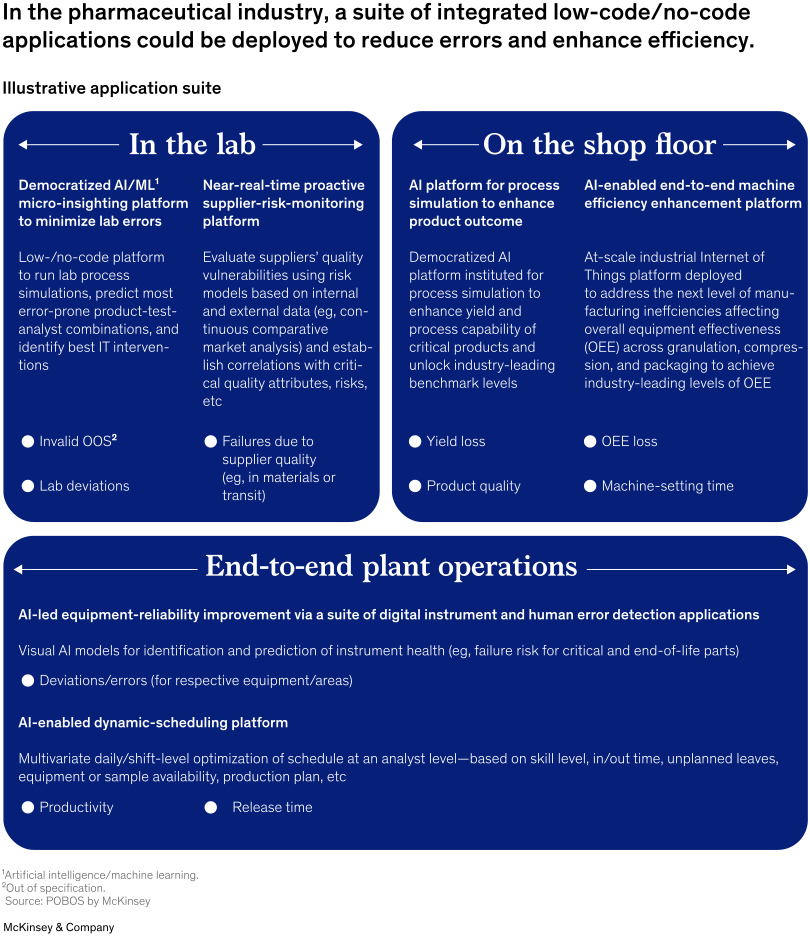
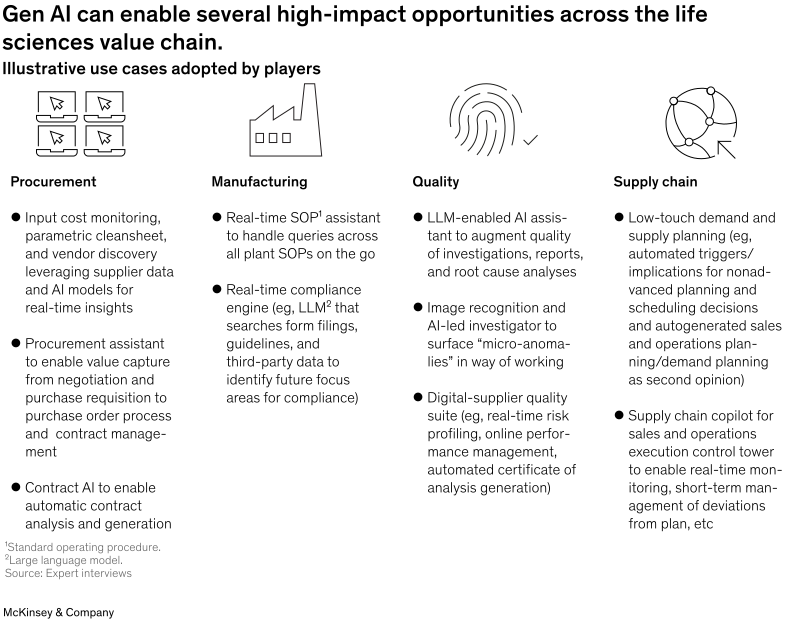
Both trends offer more than performance gains alone. Early adopters of these AI advances are reaping broader benefits, such as enabling real-time transparency and decision-making, improving reliability by reducing potential human errors, and increasing the precision of insights. For pharmaceutical companies, capitalizing on these technological advancements could be critical to future-proofing their long-term strategies. Japan’s digital adoption remains incremental, with pilot programs in batch record systems and predictive-maintenance analytics yet to reach scale due to legacy IT constraints.
Evolution of core manufacturing infrastructure and smart automation
Core manufacturing technologies in the pharmaceutical industry have remained largely unchanged for decades, with processes such as tableting through traditional granulation-compression-coating cycles and material handling and movement continuing to be predominantly manual. However, recent advances in core process technologies are beginning to drive change.
Continuous manufacturing is a significant disruptor, replacing traditional batch processing with a seamless, nonstop production approach. McKinsey analysis indicates it can deliver up to 50 percent lower conversion costs—driven by labor reduction and higher volume per hour—alongside a tenfold reduction in cycle time through in-line controls and the elimination of inventory between process steps. It also enables an 80 percent reduction in manufacturing footprint by consolidating production lines while improving quality through in-line testing and the elimination of manual handling errors. Regulatory acceptance of these technologies is also growing, with agencies such as the FDA having already approved more than a dozen drugs produced by continuous manufacturing.7 Leading pharmaceutical companies are now crafting visions for smart automation by integrating efficient, user-centric, technology-enabled processes into daily operations.
On the shop floor, smart automation is transforming interface operations, including material handling, washing, and cleaning. Automated systems eliminate compliance inefficiencies, streamline standard operating procedures (SOPs), and provide intuitive process instructions. Examples include auto-loading reactors with powder transfer systems for improved reliability and automated equipment cleaning using cleaning-agent valves with protocols integrated into programmable logic controllers (PLCs). With Japan’s aging workforce, automation can support sustained productivity and preserve the country’s reputation for quality.
Similarly, in quality-control labs, technologies are advancing rapidly to minimize touch time across testing and nontesting activities. Examples include a comprehensive lab-management suite for efficient planning (such as automated inventory control, remote instrument monitoring, remote assistance with maintenance, and calibration scheduling), decentralized quality control with online real-time monitoring and automated control of process parameters, and release-and-review conducted by exception.
These technologies have the potential to disrupt pharmaceutical operations at the plant level. However, harnessing their full potential will require addressing challenges such as high up-front investments, variable quality control standards, and the need to align supply chains with continuous production timelines. Companies must consider how these technologies can establish new working methods and deliver benefits across interventions.
Japan’s PMDA, through its Innovative Manufacturing Technology Working Group, has identified continuous manufacturing as a strategic priority. Recent public statements from the agency highlight its support for advancing continuous manufacturing under its broader advanced-manufacturing agenda, signaling growing regulatory flexibility and openness toward innovation in production technologies.8
Rapid changes in the global product and therapeutic landscapes
The global product and therapeutic landscape is undergoing a decisive shift toward advanced modalities, creating both opportunities and imperatives for Japanese pharmaceutical manufacturers.
Shift toward the next generation of therapies
Emerging modalities such as mRNA, cell and gene therapies, antibodies, and peptides and proteins have seen product-launch growth rates of 13 to 14 percent between 2018 and 2023, outpacing the 5 to 6 percent growth of conventional therapies. Over the past two decades, the share of these new modalities in the drug development pipeline has risen to 50 percent, from 31 percent, marking the fastest growth ever seen in the sector (Exhibit 7).9
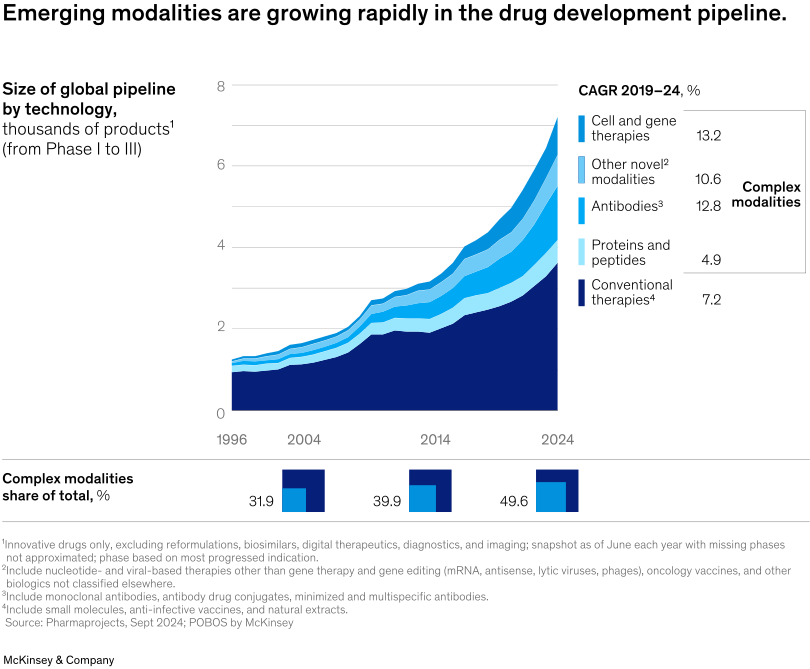
Between 2022 and 2030, drugs with cumulative global sales of $251 billion are expected to lose patent protection.10 This wave of exclusivity losses has opened a window for companies to pivot investment toward advanced modalities such as antibody–drug conjugates (ADCs), oligonucleotides, peptides, and monoclonal antibodies. This pivot is especially urgent for the Japanese pharma industry, whose strength in small molecules has not been matched by comparable biologics’ manufacturing capacity—Chugai being a notable exception.
Without new investment, Japanese companies risk ceding ground in precisely the modalities where global growth is strongest: mRNA-based vaccines, cell therapies, and gene therapies alone are projected to achieve a CAGR of 12 to 13 percent between 2025 and 2030.11
To capture these opportunities, companies will need to build new capabilities and service offerings, including the following:
- ADCs, which require site-specific conjugation methods to enable precise control over the drug-to-antibody ratio (DAR)
- oligonucleotide, peptide, and protein production, which demands solid-phase nucleotide and peptide synthesizers, reverse-phase high-performance liquid chromatography, size-exclusion chromatography, and other structural and functional analysis techniques
- mRNA therapies, which will need robust mRNA synthesis and purification processes, lipid nanoparticle formulation technologies for efficient delivery, and cold-chain logistics to ensure stability and efficacy
- CRISPR-based therapies, which require capabilities in precise gene-editing techniques, off-target effect minimization, and the development of delivery systems such as viral vectors or nanoparticles
As the therapeutic landscape evolves with its distinct technical complexities, the industry will need to develop its manufacturing capabilities accordingly and ensure that operations keep pace with the speed of innovation.
Evolution and disruptions in the external environment
Several forces beyond a company’s direct control are reshaping how pharmaceutical supply networks must be designed and governed.
Geopolitical risks and discontinuities
Over the past decade, geopolitical events and global crises have caused significant supply disruptions. While the pharmaceutical industry showed resilience by increasing production and maintaining the availability of essential medications, vaccines, and medical supplies, the disruptions exposed vulnerabilities in its highly efficient, interconnected supply chains.
For example, during the COVID-19 pandemic, reduced active pharmaceutical ingredient (API) availability due to lockdowns in China drove up the prices of essential drugs by 50 percent,12 highlighting the lack of effective derisking strategies.13 Geopolitical risks, including trade disputes and conflicts, further disrupted global supply chains.
Despite these challenges, many companies have made only moderate investments to enhance their internal capabilities, structures, and processes to improve operational resilience. Recognizing that such discontinuities are difficult to predict, companies may need to prioritize building resilient supply networks to mitigate future risks.
Emerging pockets of geographic nearshoring
Recent global disruptions have prompted pharmaceutical companies to adopt a dual-sourcing model. Historically, the pharmaceutical industry relied heavily on single-sourcing strategies, prioritizing cost-effective offshore hubs. However, in response to heightened demands for resilience and the need to mitigate external disruptions, companies are now diversifying their supply chains. This includes integrating hubs closer to their base geographies, thereby shortening value chains and enhancing agility.
This shift is reflected in changing import patterns. For example, pharmaceutical imports from Mexico to the United States increased from 4 percent during 2013–19 to 15 percent in 2019–23. Companies are now strategically balancing responsiveness to customers in nearer, developed regions while maintaining cost efficiencies in traditional manufacturing centers. While some exemptions may help limit tariff exposure, policy changes are unpredictable, making diversification essential.
As leading world economies evaluate emerging nearshoring destinations, traditional manufacturing hubs will need to go beyond optimizing plant or cost performance. Sustaining competitiveness may require rethinking network strategies and repositioning within the global manufacturing landscape.
Growth of emerging markets beyond Europe, Japan, and the United States
Japanese pharmaceutical companies have traditionally focused on Europe, Japan, and the United States as their primary markets and patient pools. These regions have large, established healthcare systems, accessible markets, and high demand for innovative drugs.
However, expanding Japanese pharma’s presence in emerging markets has become essential. Stabilizing growth in developed markets, especially Japan, combined with challenges such as pricing pressures and intensifying competition, has driven this shift. Over the past four to six years, this trend has gained momentum and is expected to continue. Emerging markets, including Africa, Latin America, and the Middle East, have consistently outpaced the average global growth rate of 7.4 percent. Since 2023, these markets have grown at nearly twice the global average (Exhibit 8).
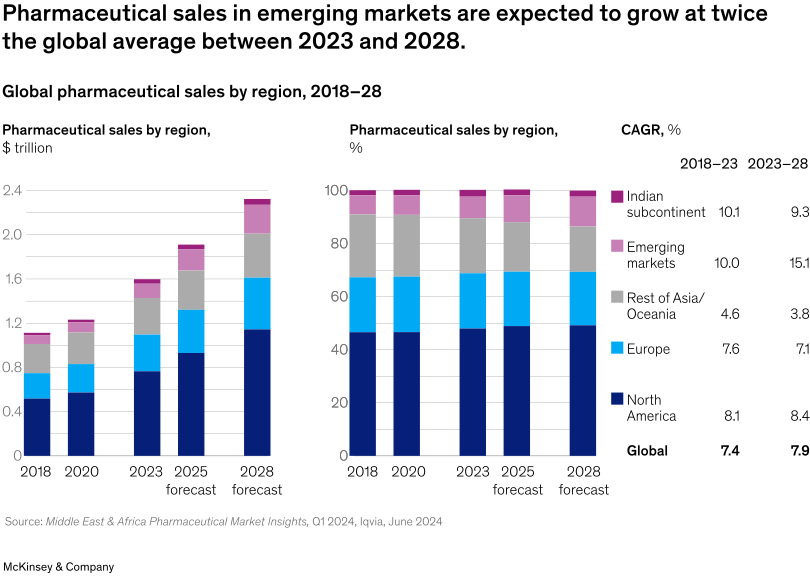
Despite these opportunities, companies must address the structural challenges emerging markets present. The diverse business landscape, distinct product portfolio requirements, and varying demand patterns require tailored back-end support models in operations. The unique standards and specifications of each country further increase compliance requirements. Infrastructure deficiencies and logistical bottlenecks can complicate efficient distribution. Geopolitical uncertainties also pose significant risks to market entry and operations. Japanese pharma could consider scaling over the next five to seven years by tapping into the potential of these regions. Success will require leveraging distributors, tenders, and regional partnerships while ensuring clear role alignment between headquarters and local teams.
Environmental sustainability as a right to do business
Sustainability has moved from the periphery of corporate responsibility toward the center of business strategy within the pharmaceutical industry. Increasing awareness from diverse stakeholders contributes to this shift:
- Changing customer expectations and regulations: Healthcare providers such as the United Kingdom’s National Health Service are integrating carbon neutrality pledges,14 increasingly requiring credible carbon-neutrality commitments for tender eligibility. In parallel, regulators are introducing stringent requirements, such as the European Union’s Green Deal and Climate Law, which aims to cut emissions by 55 percent by 203015 to address health inequities.
- Increasing commitment from peers: Net-zero commitments are gaining traction across industries, with 20 percent of the world’s largest public companies committed to net-zero targets.16 Within the pharmaceutical industry, the number of companies with science-based targets for emissions reductions grew from seven to 104 between 2019 and 2022.17
- Investor appetite: Global investors are increasingly embedding environmental, social, and governance (ESG) criteria in their investment decisions, with ESG assets expected to reach $40 trillion by 2030, accounting for nearly 25 percent of global assets under management.18
Although many companies have set ambitious sustainability goals, to achieve them, they must actively address Scope 3 emissions, which account for approximately 70 percent of the industry’s total emissions (Exhibit 9).
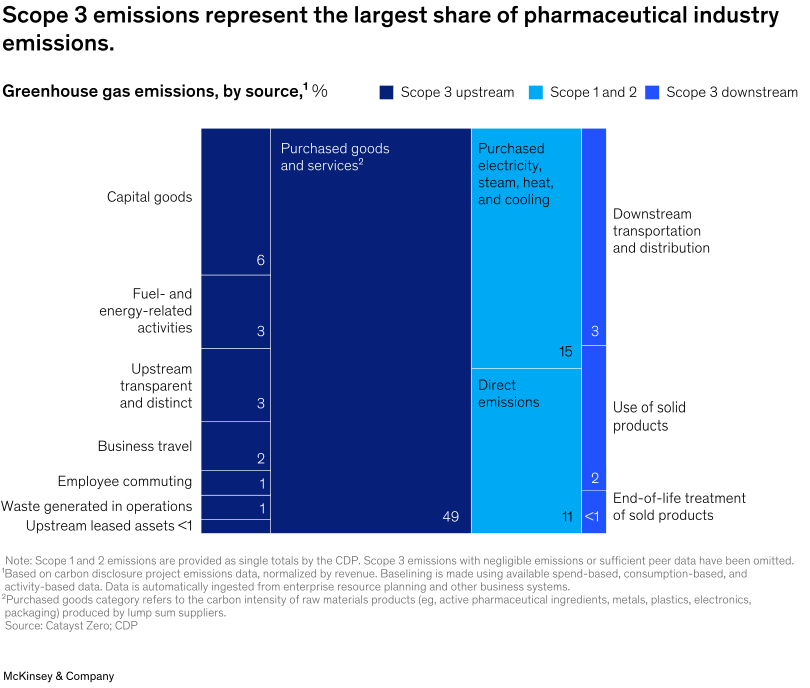
A substantial portion of upstream Scope 3 emissions is attributed to the purchase of goods and services, such as fuel, steel components, and packaging. Many of these are fragmented industries with limited emission-tracking transparency. The capital goods sourcing process involves a complex network of vendors and numerous third parties (for example, a typical pharmaceutical company might collaborate with more than 1,000 suppliers). Similarly, downstream emissions from the use of sold products pose further challenges for decarbonization (for instance, the need for propellant gases in inhalers).
This fragmented landscape makes it difficult to address Scope 3 emissions. One way to effectively address this challenge is by incorporating emissions data into all decision-making processes. In doing so, companies could cultivate enhanced connectivity and engage stakeholders to manage the highest-impact emission sources more effectively.
Global tailwinds boosting pharmaceutical CDMO and services
To drive innovation originating from Japan and secure a resilient supply chain, establishing an integrated ecosystem that seamlessly connects research, development, and manufacturing is imperative.
Within this ecosystem, CDMOs are critical enablers, providing the advanced and flexible manufacturing capabilities required to support next-generation therapies. They will play a central role in fostering collaboration across industry and academia, enabling rapid scale-up and ensuring agility in responding to emerging modalities and evolving market needs. To capture this potential, Japanese firms could standardize bilingual tech-transfer templates and governance models and develop a first-program CDMO playbook, which can guide consistent and efficient implementation across projects.
Several international and regional tailwinds are propelling this growth:
- Diversification away from single sourcing: In Japan, the stability of pharmaceutical supply remains highly vulnerable to the risks inherent in single-source structures, particularly those reliant on specific sites or overseas production. To mitigate these risks, the strategic utilization of CDMOs is essential. CDMOs enable diversification of manufacturing capabilities and supply routes across domestic and global networks, significantly enhancing the overall resilience and agility of the pharmaceutical supply chain.
- Enabler of innovation: The expansion into new modalities such as antibody–drug conjugates, cell and gene therapies, and mRNA-based medicines requires manufacturing capabilities that are both highly sophisticated and flexible. Given the significant capital investment and specialized expertise required, it is not always efficient for pharmaceutical companies to build these capabilities in-house, making strategic partnerships with CDMOs indispensable for advancing Japan’s innovation ecosystem.
- Supportive Japanese regulatory ecosystem: The Japanese government has identified the strengthening of CDMOs—particularly those specializing in biologics and vaccines—as a strategic priority for both driving innovation and ensuring pandemic preparedness. Through targeted subsidies, tax incentives, and support for talent development and technology advancement, the government is actively fostering the growth of this sector. These initiatives aim to establish a robust domestic manufacturing base for advanced modalities and to secure a resilient, stable supply chain.
Over the next decade, Japanese pharmaceutical companies will face a dynamic landscape marked by emerging challenges and opportunities. To maintain their lead and align with the industry’s vision of being the gold standard for operational efficiency, quality excellence, and cost competitiveness, companies must reflect on the most critical capabilities they should develop in both the short and long term.
Themes for the future of Japanese pharmaceutical operations
Japan’s pharmaceutical sector is at a tipping point. Over the next decade, it could redefine its operational strategies with initiatives such as zero-error quality systems, sentient and miniaturized manufacturing, expanded cost leadership, autonomous planning, and green-network initiatives. These priorities could position Japan as an industry leader known for agile, efficient, reliable, and sustainable operations (Exhibit 10). To achieve this, pharma companies in Japan could move beyond compliance excellence to establishing predictive quality systems and embedding digital intelligence across operations.
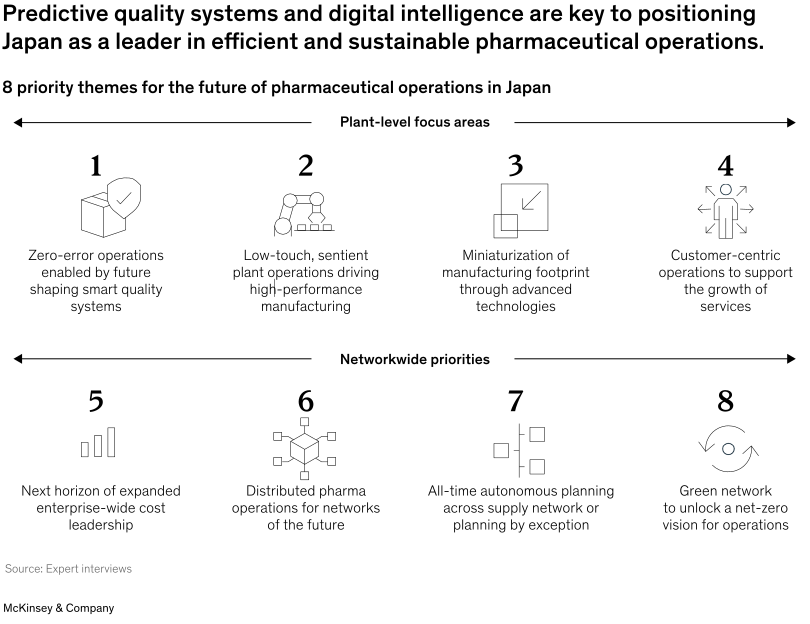
Zero-error operations enabled by future-shaping smart quality systems
Advanced technologies are enabling companies to target error-proof daily operations. With these technologies, the industry could shift its approach to quality in areas such as foundational compliance and a holistic focus on operational excellence.
Zero-error operations approaches are widely used in other industries. For example, semiconductor manufacturing employs deep analytics to predict and prevent defects, while the automotive sector uses integrated technical production systems to enhance reliability, minimize variability, and eliminate waste.
For pharmaceuticals, adopting such an approach would require shifting from reactively resolving issues to preventing defects and from reducing errors to eliminating them. Mastering six areas of focus could help achieve zero-error operations in pharmaceuticals (Exhibit 11).
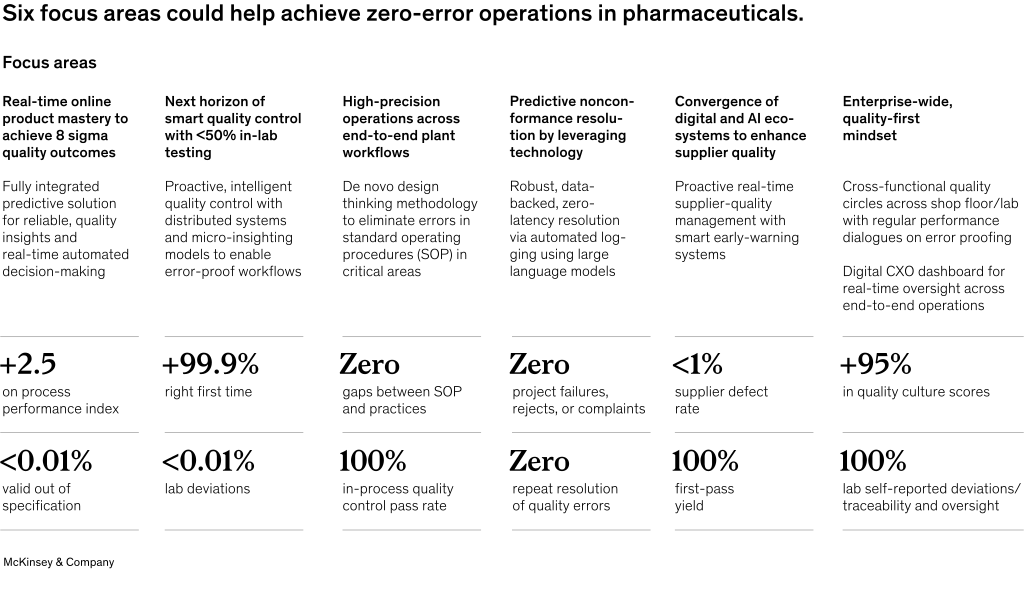
Real-time online product mastery for 8 Sigma quality outcomes. This approach goes beyond traditional risk-assessment techniques, such as failure mode and effects analysis and lean golden-batch analytics, to deliver data-driven predictive insights on product quality. It enables real-time automated decision-making and ensures end-to-end product and process control. Examples include the following:
- Real-time product-quality insights and self-responsive process control: Online AI/machine learning (ML) models can predict product outcomes at the start of batch manufacturing and, with real-time monitoring, direct AI-led automated process adjustments. An example is automated blending-time extensions based on live business unit insights.
- AI-powered early warnings for shop floor executives: Online ML engines can prescribe in-time or ahead-of-time corrections, such as calibration notifications for equipment parameter fluctuations.
- AI-enabled integrated tech-transfer process: This includes end-to-end traceability of underlying product and process attributes from R&D to plant operations. For instance, clear statistical and scientific linkages can be established between process parameters (such as temperature and pressure), material attributes (for example, particle size and purity), and product quality attributes (such as efficacy and stability).
Next horizon of smart quality control with less than 50 percent in-lab testing. This involves transforming lab testing from a reactive safeguard to a proactive, real-time testing system that streamlines testing workflows in plant operations. Examples include the following:
- Distributed quality control: Decentralized, real-time, and autonomous testing on the shop floor can be implemented using a combination of quality-testing automation and AI and ML platforms. This eliminates the need for lab-based testing. For example, real-time release testing with process analytical technology (PAT) and instantaneous microbial detection on the shop floor through real-time airborne particle counters.
- Error-proofing testing and nontesting workflows: “Micro-insighting” models can detect lab anomalies and identify root causes. Digital or AI assistants can automate redundant lab reviews and decision-making. Smart lab automation, such as end-to-end integrated assay automation, automated sample preparation, and real-time smoke studies through equipment sensors and online environmental monitoring systems, can minimize reliance on manual processes.
High-precision operations across end-to-end plant workflows. Intelligent process development, process revision, and advanced automation can ensure pristine compliance and execution. Examples include the following:
- Tech-enablement to streamline SOP design: A user-backed design-thinking approach to SOP design, combined with large language models (LLMs) or gen AI, can surface error-prone sections, procedural redundancies, and vague areas in SOPs. This ensures procedures remain user-friendly, error-proof, and fully compliant with the latest standards.
- Zero errors in SOP adherence for targeted areas: Interactive digital delivery of SOPs or work instructions on production systems or real-time wearables, coupled with AI-powered anomaly-detection systems, can always monitor adherence.
- Proactive SOP revision: Digital or AI analysis of regulatory guidelines, combined with online equipment and area monitoring, can identify potential SOP obsolescence ahead of time.
Predictive nonconformance resolution. Leveraging technology for a robust, data-backed, and efficient investigation-to-resolution process can drive rapid, no-repeat resolution of quality errors. Examples include the following:
- Real-time automated incident or deviation logging: This creates 100 percent traceability and oversight, as in the case of tech-enabled continuous monitoring of process parameters, environmental conditions, and equipment performance.
- Gen AI–powered investigation assistants: LLMs can generate consistent, high-quality investigations with understandable language, logical flow, and structure that comply with internal and external standards.
- Data-driven root-cause analysis: AI/ML and gen AI can identify root causes and corrective and preventive actions by leveraging scientific correlations and public knowledge, including guidelines, white papers, and subject matter expert inputs.
Convergence of digital and AI ecosystems beyond four walls for less than 1 percent supplier defects. Setting up systems for autonomous, real-time quality assurance across the supplier ecosystem can enable companies to proactively manage the quality of input materials. By using granular data to generate real-time insights into supplier quality performance and supplementing this with AI/ML systems to generate early-warning signals, companies can reduce supplier defects. The main components of such an approach could include the following:
- Dynamic supplier risk assessment: A comprehensive approach that considers both internal and external factors. External factors include supplier exposure to compliance outcomes, regulatory findings, and organizational reputation. These can be contrasted with internal data insights, such as critical material attributes or material trends.
- Granular supply network assessment: Subtier supply networks can be mapped to understand deep supply chain risks. This can be done by integrating public and proprietary datasets to identify tier-n dependencies and prioritizing suppliers based on factors such as centrality to the network, underlying vulnerabilities, and business importance.
- Proactive digital supplier quality management: Smart early-warning systems can flag and address supplier quality issues in real time through automated alerts and targeted notifications.
Enterprise-wide quality-first mindset. Prioritize a culture of patient safety and zero defects in day-to-day operations. Adopt a comprehensive approach to quality culture, focusing on behavioral and mindset shifts. Examples include proactive quality ownership across levels and functions, leveraging AI-driven personalized learning platforms for continuous quality education, and using hyper-connected real-time dashboards to enable collaboration for seamless quality management.
Adopting a zero-error approach could yield substantial benefits. While it may require pharmaceutical companies to revisit their ways of working, error-proofing end-to-end operations could usher in a new paradigm of quality leadership for the industry. Organizations could take a cycle-wide view of automation investments instead of seeking short-term ROI. It could also be important to grow fundamental plant capabilities from understanding product chemistries to overseeing equipment, acting on microanalytics-driven insights, and making data-driven decisions.
Low-touch, sentient plant operations driving high-performance manufacturing
This is an advanced production process in which intelligent systems autonomously manage and optimize manufacturing operations with minimal human intervention. Leaders across industries are already starting to reimagine their operations. Leading electronics manufacturers have automated a significant share of production—up to around 75 percent in advanced facilities—and are increasingly deploying AI and generative AI–enabled systems that learn from operational data to optimize performance and support continuous improvement.19 Semiconductor companies have implemented intelligent manufacturing systems that not only improve performance but also reduce human interactions by 80 percent through self-learning.
The overall impact of such sentient manufacturing systems can be transformative: not only could they bring about a repeatable step-change in efficiencies (such as over 40 percent lower manufacturing costs, consistent overall equipment effectiveness levels of more than 70 percent, doubled improvement in productivity, and over 70 percent reduction in plant downtimes), but they could also minimize human error and enhance overall product quality. Connected Industries and Smart Factory initiatives, backed by Japan’s Ministry of Economy, Trade and Industry, align with the goal of low-touch, autonomous manufacturing.
Achieving low-touch, sentient manufacturing in pharmaceutical operations will require a focus on three levers:
- Core operations technology upgrades: Upgrade core lab and shop-floor equipment that directly interacts with products to enhance interconnectivity, automation, and performance. This would mean deploying equipment such as roll compactors for granulation, PAT tools for online testing, and interface-detection probes for automated layer separation. These can be integrated with intelligent recipe-based control systems. Developing seamless low-touch workflows can reduce reliance on manual judgment and interventions, boosting efficiency and reliability in core operations.
-
Smart automation of manual processes: Our conversations with regional pharma leaders indicate an increasing interest in and intention to apply low-touch smart-automation solutions to ancillary activities to reduce plant turnaround times and unlock industry-leading efficiency and reliability. Such activities include material handling and transport, sample preparation, cleaning, and documentation.
Although still at an early stage, the opportunities are numerous: from automated guided vehicles, robotics, and tech-enabled setups—such as chute-and-conveyor systems, automated valves, metered pumps, and robotic feeders—that streamline material-handling workflows, to probes integrated with data acquisition systems and lean robotics that reimagine traditionally labor-intensive cleaning processes. Automated sample-preparation workbenches and integrated assay automation trains can also be embedded into end-to-end lab tech and data workflows, alongside site-wide adoption of robotic process automation to eliminate data transcription.
- Digital enablement of the workforce: Beyond core and ancillary automation, advanced tools such as digital solutions, AI, and gen AI could further support and enhance human decision-making. Integrating data platforms at scale, such as product and test review automation systems, real-time SOP assistants, compliance engines, and LLM-enabled automated investigations, could significantly improve productivity and quality for manufacturers. Leveraging AI and ML at the platform level, such as guiding machine-setting prescriptions, could enable smarter decision-making and operational excellence, even in areas where full automation is not feasible. Systems such as barcode-based solutions, enterprise resource planning (ERP) systems, and data acquisition systems, such as supervisory control and data acquisition, enable continuous monitoring, further driving efficiency and oversight.
To unlock the transformative potential of low-touch, sentient manufacturing, companies must first develop a clear and comprehensive end-state vision. They could then evaluate and prioritize automation opportunities based on their ROI. Continuous performance monitoring and iterative improvements would be crucial to maintaining and enhancing the efficacy of these automated systems.
Miniaturization of manufacturing through advanced technologies
Beyond the shift toward interconnected sentient operations, factories of the future will also become more modular and miniaturized. Core technology disruptions, such as continuous manufacturing, modular plant-in-plant setups, and small-scale operations or microreactors for higher reliability, especially in biopharma manufacturing, could reshape plant operations paradigms.
Continuous manufacturing. Globally, companies are increasingly leveraging advanced flow-chemistry technologies to drive seamless, high-speed production with a significantly smaller footprint than traditional batch processing across APIs and formulations.
- API production: This uses continuous flow reactors and microreactors for precise control over reaction conditions, enhanced yields with little to no variability, and a minimal conversion-cost footprint.
- Formulation: This involves high-capacity flow equipment such as roll compactors, continuous blenders, and microencapsulation systems that support large production volumes with greater process control and a lower footprint for energy and human capital.
With this increased adoption of continuous manufacturing, regulatory acceptance has also grown, with over 14 products approved by the FDA as of 2024 across oral solids, APIs, and biopharmaceuticals.20 Several companies across the globe and in Japan have now invested in developing continuous-manufacturing lines.
Plant-in-plant (PiP): PiP entails establishing smaller, specialized production units within a larger manufacturing facility, each with dedicated resourcing and separate operations workflows. Such setups cater to low-volume, high-value production runs without disrupting the operational cadence of primary high-volume production lines.
This modular approach allows organizations to boost multimarket delivery performance while maintaining overall plant efficiencies. It also reduces compliance complexity and mitigates the need for new infrastructure investments, as existing facilities can be retrofitted with specialized units. Hybrid PiP setups suit Japan’s small-lot facilities, boosting agility without major capital spend. This, however, cannot be done at scale across the network. While PiP reduces multimarket complexity, it loses the aggregation synergies of manufacturing the same or similar drugs for different markets in an integrated factory.
Small-scale operations: A shift toward flow reactors and microreactors has been particularly strong in biopharma operations. These miniaturized systems provide enhanced precision in controlling chemical reaction conditions to improve product quality.
Such setups could not only produce high volumes with greater process control but also reduce reagent and solvent usage and minimize waste, making them ideal for scaling up complex processes without compromising efficiency or safety. Still nascent, this approach is being adopted by organizations for niche drug products, such as cytotoxic or high-potency products, given the added benefits of close confinement of hazardous reactions.
While early adoption of continuous manufacturing, PiP, and small-scale biopharma operations is already underway, several structural factors may impact broader at-scale adoption across networks:
- The pace of regulatory acceptance for disruptions in core manufacturing technologies, such as continuous manufacturing and micro-reaction in biopharma, remains gradual.
- Applicability constraints persist, with continuous manufacturing more suited to large-volume “runner products” (high-demand, produced more frequently) with niche or specialty products for PiP setups.
- Shifts in plant operating models require significant organizational adaptation, such as the adoption of 24/7 plant operations for continuous manufacturing and flexible operations workflows for PiP.
- Advanced technical skills are essential, from technology-specific expertise in handling continuous manufacturing to process optimization for PiP and small-scale operation setups.
Given these factors, many companies have opted for partially miniaturized setups to deliver performance improvements without the full complexity of end-to-end setups. For instance, companies are deploying specific continuous manufacturing equipment in targeted areas rather than adopting it plant-wide or establishing PiP setups only for niche portfolios and emerging-market businesses. All told, the industry is heralding a new era of manufacturing innovation through miniaturization, with significant global operational teams expected to make this transition over the next decade.
Customer-centric operations to support services growth
As the industry becomes more geographically diffuse, Japanese pharmaceutical services providers are poised to capture a larger share of the expanding CDMO market. Organizations can unlock these opportunities in the medium-to-long term by pursuing five priorities:
- Broaden the offerings portfolio: Develop the next set of capabilities to widen the portfolio beyond traditional small molecules in biologics drug substance, chemical APIs, and drug products. Strategic investments in advanced manufacturing technologies, such as prefilled syringes and production cell lines, could be crucial for offering enhanced services and driving competitive differentiation.
- Cultivate a customer-centric operations excellence model: In the CDMO space, operational excellence is key to differentiating with pharmaceutical and biotech clients. To succeed, Japanese CDMOs may need to prioritize customer-centric capabilities, such as streamlined and robust tech transfers, efficient project management, enhanced value-chain visibility, and a collaborative, cross-silo approach to day-to-day operations.
- Streamline operations for agility and efficiency: Improved delivery timelines and reduced turnaround times are essential to maintain competitive costs and delivery. Streamlining procurement and supply chain processes to reduce raw-material lead times from two to four weeks to two to three days may expedite project delivery.
- Attract and retain top talent: Building and retaining a highly skilled workforce across project management and operational functions is essential. Investing in talent from top-tier universities and attracting senior Japanese expatriates with niche expertise could strengthen capabilities in complex modalities. Simultaneously, upskilling current employees could enhance operational efficiency and enable leadership in advanced projects.
- Continue focusing on capacity expansion: Meeting rising demand and embracing new modalities requires sustained investment in manufacturing capacity. CDMOs could pursue initiatives (even with delayed ROI) to secure long-term growth and competitiveness, positioning themselves as reliable partners for global pharmaceutical companies. Fujifilm has rapidly scaled its global biologics manufacturing footprint—adding six new 20,000-liter mammalian cell bioreactors at its Hillerød, Denmark site (bringing the total there to 12 bioreactors) and expanding capacity at its Holly Springs, North Carolina, facility as part of a broader build-out that now spans Japan, the United Kingdom, and the United States—to meet client demand for flexibility, speed, and end-to-end capacity.21 Successfully executing such initiatives could help position Japanese CDMOs as driving innovation and bolster operational resilience, cementing their leadership on the global stage.
Distributed pharmaceutical operations: Networks of the future
As the industry faces supply shortages, geopolitical shifts, and increased proliferation of complex modalities, leading companies could benefit from rethinking their operations strategies to maintain competitiveness and resilience. Two trends could shape the manufacturing networks of the future.
Emergence of centers of excellence: As companies navigate the increasing complexity of global pipelines, they may need to enhance capabilities, adopt intricate plant operating models, and develop innovative cross-functional linkages. Setting up centers of excellence that serve as hubs for innovation and specialized knowledge and that fuel advancements in drug development and manufacturing could help sustain continuous improvement. These centers of excellence could require a fundamentally different setup across the network and plant operating model, such as the following:
- an integrated operating model connecting R&D and operations, for example, clubbing research and manufacturing to facilitate seamless knowledge transfer and optimize production processes
- a systematic approach to building specialized talent that includes ahead-of-time investment, repatriation of scientific talent, and cross-geography deployment strategies
- digitally integrated operations infrastructure build-out to support seamless collaboration and process optimization
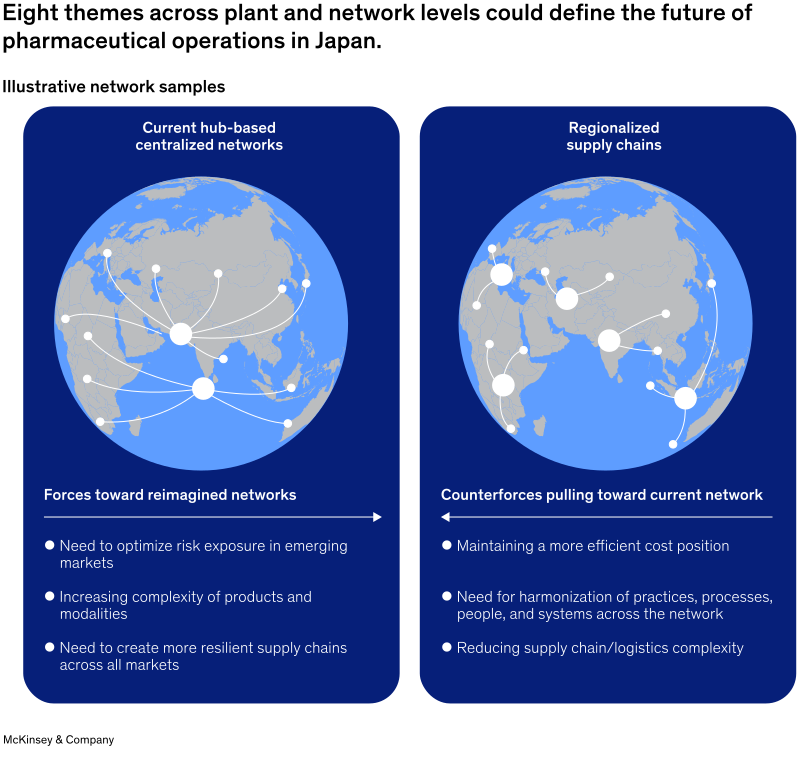
Distributed manufacturing footprints and regionalization: With the growth of emerging markets as future value pools and the potential emergence of specialized centers of excellence, companies could transition part of their production from large, high-capacity plants to smaller, more distributed sites to build more resilient supply chains. Such regionalization could support agile and localized production, in turn enabling better material availability, faster distribution, and shorter lead times. Japan may first deploy distributed models as regional fill-finish hubs across Asia to balance resilience and cost. However, the inflated costs of implementing (and maintaining) such changes may be prohibitive for entire networks to do so at scale.
These two trends could significantly disrupt operational strategies and shape future networks. However, given the thrust on near-term cost efficiencies, challenges in harmonizing an already complex plant operating model, and managing supply chain and logistics operations, companies are likely to adopt a balanced approach to their networks. Organizations might regionalize only targeted parts of downstream operations, rather than implement significant changes across entire networks. Distributed networks of the future could therefore evolve based on company-specific calls depending on the spread of individual portfolios across technologies and geographies (Exhibit 12).
All-time autonomous planning across the supply network: Planning by exception
Transitioning to a hands-free planning approach could improve supply chain performance and long-term resilience. Companies could develop this by automating manual interventions, hardwiring data-based decision-making into daily operations, and building structural supply security.
Industries such as consumer goods, automotive, and electronics have progressed in implementing such hands-free planning approaches. Fast-moving consumer goods companies are investing in end-to-end automated planning processes (that is, demand–supply–inventory–dispatch) to achieve service levels exceeding 99 percent of industry-leading levels while reducing inventory by more than 30 percent. Consumer electronics companies are successfully adopting fully autonomous planning processes, such as autonomous demand forecasting to minimize overproduction and stockouts, enabled by a suite of ML algorithms, real-time production scheduling with deep capacity-simulation tools, and AI-enabled advanced scenario planning.
Such approaches also have high potential in pharmaceuticals and could unlock new performance levels, such as planning and inventory cost reductions of 30 percent or more, service levels across the network, and reduced lead times of 25 to 40 percent. It can also make networks more resilient to unforeseen disruptions.
Global pharmaceutical companies have started to integrate autonomous planning principles into their supply chains through interventions such as AI/ML-led approaches to demand forecasting, AI-powered demand–supply–inventory–logistics–fulfillment cycles, dynamic near-real-time production scheduling, real-time scientific inventory management, and early-warning-system-based risk management. Such interventions could enhance planning efficiencies, reduce supply chain costs, and improve planning responsiveness.
However, achieving autonomous planning is a longer journey for pharmaceutical leaders, who should consider and consistently implement three important capabilities:
- Ensure a low-touch or no-touch approach through integrated digital and AI deployment across the end-to-end planning cycle. This strategy involves carefully mapping end-to-end planning workflows and embedding digital and AI applications at various stages to enhance accurate, reliable, and consistent decision-making while also streamlining planning cycles. For instance, AI-driven, advanced statistical demand forecasting could enable relatively accurate, automated prediction of the demand outlook. Advanced ML algorithms could optimize inventory levels by dynamically triggering stock-norm adjustments based on real-time data. Supply chain digital twins can simulate different production scenarios and potentially enable proactive adjustments to manufacturing processes to meet changing demands.
- Reimagine the current operating model and talent strategies to embed new ways of working. As low-touch or no-touch planning applications are deployed, the nature of work will also evolve. For example, the focus of human roles in planning could shift from routine planning tasks to managing exceptions and ensuring data reliability. Organizations would need to redesign key processes and replace traditional planning cycles with more adaptive setups, calling for a new talent strategy and an operating model that embeds new roles for data, digital, and expertise in traditional planning and scheduling functions.
- Deploy a future-proof advanced planning system (APS) and data backbone to support and sustain autonomous planning. To extract the potential of autonomous planning, companies need to integrate all digital and AI tools into a single APS backbone and drive at-scale adoption across the entire network. Such integrations could hardwire new technology-enabled autonomous planning cycles. To support the APS, companies could also establish reliable data governance practices across the organization. Examples of such practices include establishing a master-data-management system with clear accountability and introducing objective data-quality metrics, proactive data audits, and transparent approval workflows. Moreover, in Japan, legacy ERP fragmentation makes unified master-data governance a critical prerequisite for automating planning processes.
A McKinsey survey of 80 companies involved in digital-planning transformations22 revealed a combination of process, data, and configuration gaps and insufficient change management as the primary culprits (Exhibit 13). The issues included both technical gaps—such as misalignment between practical operations and algorithms, erroneous master data, and vague role definitions in APS-driven planning—and organizational change gaps, such as minimal incentives for APS uptake, skill deficiencies, and overlooked essential business needs. Successful APS implementers, by contrast, invested two to six times more in building capabilities that simulate real-life scenarios with APS, master-data management, analytics for inventory management, and systematic root-cause analyses.23
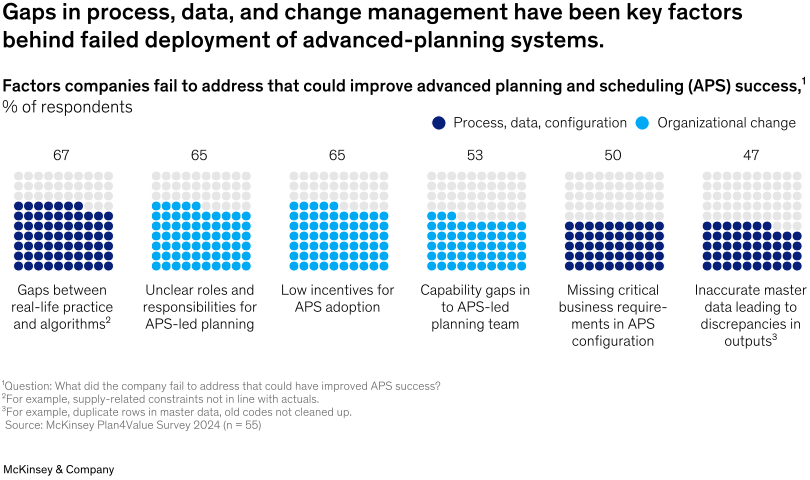
To successfully deploy autonomous planning, companies may need to shift from their current, people-intensive working methods to propel substantial process improvement, bold business-backed technology enablement, and organization-wide adoption of new hands-free planning approaches. Through such actions, early adopters can automate low-risk decision-making for supplies and drastically reduce reaction times across the supply chain. Early adopters have been able to operate at much higher efficiency levels and build a more transparent and responsive supply chain.
Next horizon of expanded enterprise-wide cost leadership
As traditional approaches to efficiency and productivity begin to yield diminishing returns, pharmaceutical companies can proactively unlock the next S-curve of operational performance. Recent technological disruptions have surfaced four avenues that could define this next horizon of cost excellence in Japan (Exhibit 14).
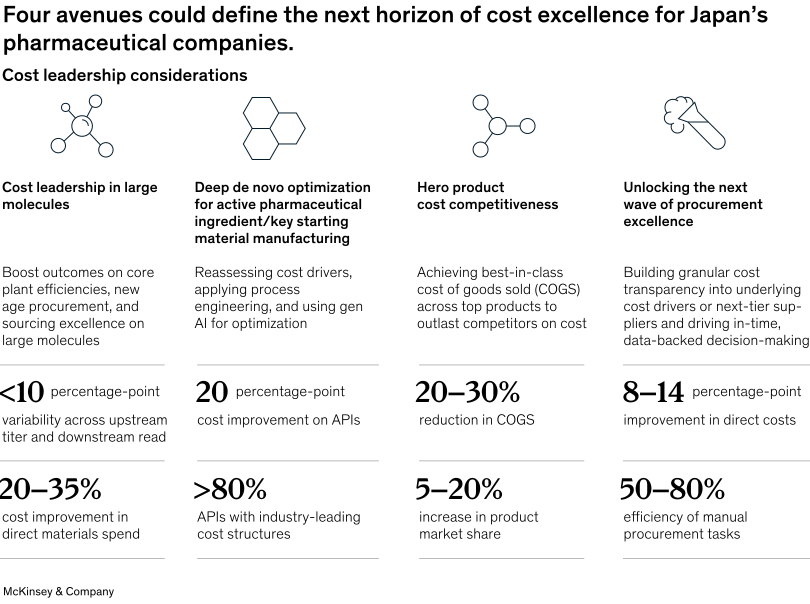
Attaining cost leadership in large molecules: New-age technologies, including AI-based deep-learning platforms, in silico reaction-simulation tools, and dynamic planning engines, are opening new pathways to cost leadership in large molecules. Achieving cost leadership and long-term quality stability requires advances across both plant operations and procurement. On the operations side, this means reducing downstream yield and upstream titer variability to less than ten percentage points, cutting cycle-time variability to below 15 percentage points, and reaching top-decile plant cost-per-gram performance. Procurement and sourcing excellence compounds these gains: Dual-sourcing more than 60 percent of critical materials builds resilience, top-decile market responsiveness captures margin opportunities, and anticipating more than half of price fluctuations before they materialize protects cost positions. Collaborative sourcing and supplier development alliances extend these benefits further, reinforcing both cost leadership and quality stability across the supply base.
Exploring deep de novo scientific optimization for API/KSM manufacturing: This approach involves fundamentally reexamining the scientific cost drivers for APIs and intermediates through deeper process-engineering assessments and value extraction. Companies can benchmark cost drivers, including route of synthesis, number of processing steps, choice of reagents and solvents, molar yields, and mass balance, to identify optimization levers such as yield improvement, forward/backward integration, change in route of synthesis, and solvent recovery.
Newer technologies are making this more effective. Gen AI, for example, can analyze vast chemical reaction databases to generate efficient, novel, and scalable synthesis routes through two complementary approaches: retrosynthetic analysis, which works backward from a target API/KSM to propose multiple synthetic pathways ranked by efficiency, cost, and yield; and reaction prediction and condition optimization, which predicts likely reaction products and optimizes conditions such as solvent, catalyst, and temperature for maximum yield or lowest cost. Successful adopters of these approaches have achieved cost improvements of up to 20 percentage points in their API businesses.
Deploying a hero-product cost-competitiveness approach: Achieving best-in-class cost of goods sold (COGS) for top products enables companies to outlast competitors on cost and secure a “last man standing” market position. A zero-based cost approach holistically assesses opportunities across APIs, excipients, packaging, conversion costs, and packing charges. Successful adopters combine benchmarking assessments, strategic moves such as negotiations and partnerships, and digital and AI-enabled tools, such as spend and category analytics and advanced analytics–driven golden batch parameters. This approach enabled companies to eliminate 20 to 40 percent of anticipated direct material costs for new developments and reduce overhead costs by more than 20 percent.
Unlocking the next wave of procurement excellence with AI: Pharma companies could unlock the next wave of procurement efficiencies by leveraging AI and gen AI to build granular cost transparency into underlying cost drivers and next-tier suppliers, enabling data-backed decision-making, and automating transactional activities to free capacity for strategic procurement. Applications such as real-time input cost monitoring can track market movements of underlying cost drivers to trigger timely purchasing decisions, while AI-powered should-cost modeling automates granular analyses of supplier trends and enables cost predictions for key spend items. Early adopters are already seeing meaningful results, including 8 to 14 percent improvement in direct costs and 50 to 80 percent gains in the efficiency of manual procurement tasks.
Green network: A net-zero vision for operations
Global pharma organizations are setting ambitious sustainability targets: Ten of the top 20 companies have already committed to reducing total emissions by more than 30 percent by 2030. Yet executing against this ambition is far from straightforward. Pharma has been slower than industries such as automotive to adopt a dual-mission approach: optimizing operational costs while simultaneously reducing Scope 3 emissions.
That lag has created a sustainability-leadership void that forward-looking pharma organizations are moving to fill. Japanese pharma companies are particularly well-positioned to do the same, given the incentive to align with Japan’s national commitment to carbon neutrality by 2050, reaffirmed at COP28 (Conference of the Parties), where Prime Minister Kishida Fumio announced plans to mobilize up to $70 billion in climate finance and to issue the world’s first nationally certified transition bond.24
A dual-mission green-network strategy, with its long-term advantages, could be an attractive choice for forward-thinking pharmaceutical companies dedicated to sustainability. Early at-scale adopters of such efforts will gain early-mover advantages in their markets and create strategic separation with their competitors in their core operations. Five levers could help Japan’s pharma companies advance their green network ambitions and strategies (Exhibit 15).
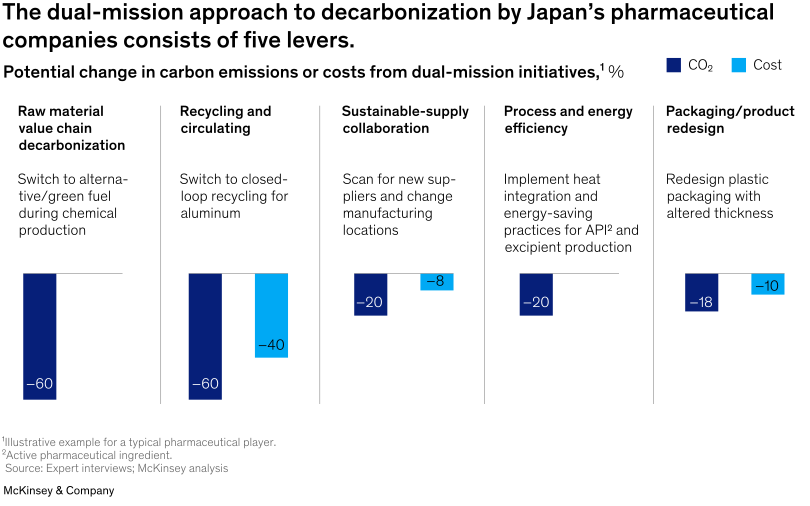
- Raw-material value chain decarbonization: Companies can analyze the cost and carbon footprint of products and components in detail, using teardowns and competitive recipe benchmarking, to identify actionable solutions for optimized product designs with carbon footprints 20 to 25 percent lower.25 For APIs, this often involves “green chemistry,” which focuses on designing chemical products and processes that eliminate hazardous substances, such as using alternative solvents (for example, bio-based solvents).
- Process and energy efficiency: Optimizing energy sourcing and improving energy efficiency are crucial for reducing carbon emissions. Companies are achieving this by adopting renewable-energy sources, improving energy management practices, and driving process-efficiency improvements beyond solvents. These efforts have cut process- and energy-related emissions by 30 to 40 percent and reduced energy costs by up to 20 percent.26
- Recycling and circulating: Closed-loop recycling, which enables materials to be circulated while preserving their original end use rather than being downcycled into lower-value applications, is also a viable approach in pharmaceutical manufacturing. In particular, aluminum used in pharmaceutical packaging does not degrade in quality through recycling, can be repeatedly reused for pharmaceutical applications, and offers the potential for significant reductions in CO₂ emissions.
- Packaging/product redesign: Redesigning packaging to reduce material use, by eliminating disposable plastics and simplifying the packaging process, is an effective sustainability strategy. This approach not only minimizes waste but also leads to more efficient packaging designs that save on both costs and materials.
- Sustainable supply collaboration: Collaborating across a fragmented supplier ecosystem is essential for achieving sustainability goals.
Companies could focus on the following three significant shifts to advance their net-zero ambitions:
- Creating end-to-end transparency: Gaining visibility into carbon emissions across the value chain, including subcomponents and materials, requires leveraging unstructured data, tapping into emissions libraries, and building a fact base for each supplier.
- Building strategic partnerships: Forming partnerships with suppliers that prioritize robust emissions data and commit to actionable CO₂ reduction measures is critical. These collaborations could include clear emission-reduction road maps and the integration of reduction metrics into supplier performance management to foster joint accountability.
- Making proactive modifications: Transitioning to alternative sustainable materials, such as bio-based or circular raw materials, and modifying underlying recipes or chemistries can significantly reduce emissions without compromising product quality.
The structural advantages that underpinned Japan’s decades of success—regulatory rigor, deep quality culture, and a disciplined workforce—remain powerful assets. Yet the pace of disruption in technology, geopolitics, and therapeutic complexity demands a step-change in how companies design, run, and govern their operations. Companies that proactively and decisively advance on these fronts will not merely adapt to a changing landscape; they will help shape it, and, in doing so, position Japan’s pharma industry as a global benchmark for operational quality, efficiency, and resilience in the decade ahead.




The authors wish to thank Aeri Yeo, Andrew Nichols, Jay Park, Kaushambi Nag Bhatia, Matt McDevitt, Michele Raviscioni, Parag Patel, Reiko Suzuki, Ryuji Hiraguchi, Sarath Kumar, Sathya Prathipati, Shunsuke Miyajima, and Yumiko Oka for their contributions to this report.
This report is independent, reflects the views of the authors, and has not been commissioned by any business, government, or other institution.
This article was edited by Jermey Matthews, an editor in the Boston office.