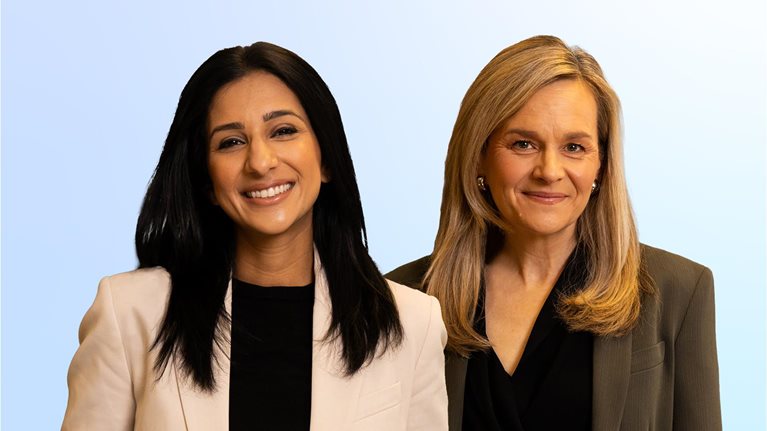
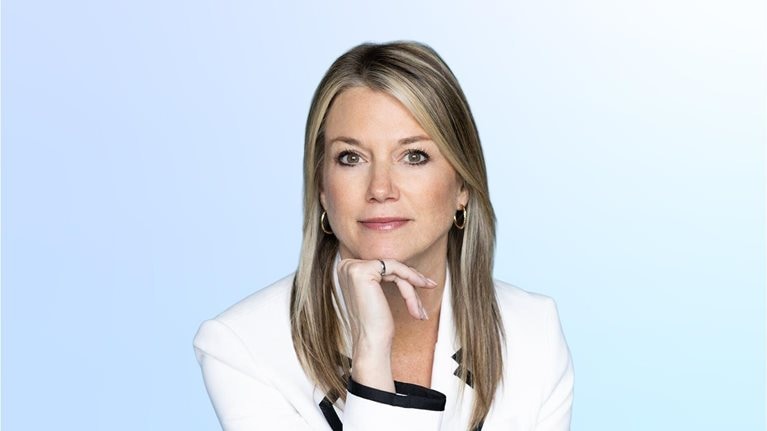
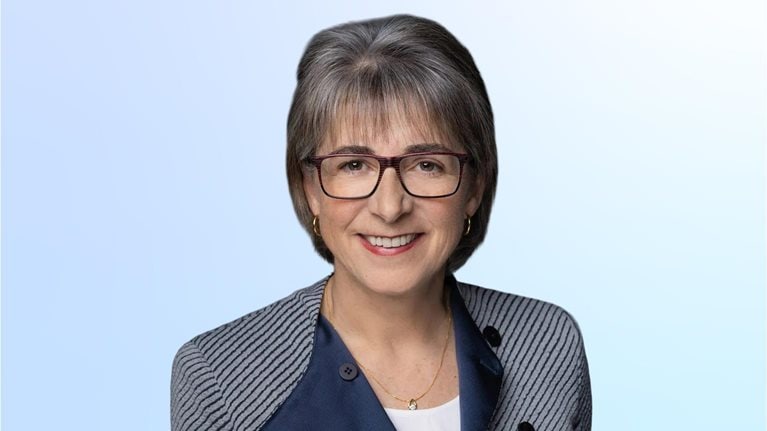
This is part of a series of interviews with leaders and participants of the Advancing Women Executives (AWE) Canada program. AWE Canada’s mission is to increase the number of women in CEO roles across the country and to maximize their impact.
In 2021, McKinsey’s Women in the Workplace report1 found that women made up just 24 percent of the C-suite—and an even smaller portion of CEOs. For McKinsey Partners Johanne Lavoie and Aalia Ratani, this was a call to action. They started the first Western Canada chapter of the AWE program the following year. In this post, Johanne and Aalia lay out why AWE is such a good fit for Western Canada and the distinctive traits that female leaders can bring.
The below interview has been edited for length and clarity.
McKinsey: Why is AWE a good fit for Western Canada, and what have you seen since you started it?
Johanne Lavoie: When we saw the AWE concept, which started in Houston in the oil and gas industry, Aalia and I looked at it and said that it needs to happen in Western Canada. We know the sectors that dominate in Western Canada are very male-dominated sectors with few women at the top. So we said, “Let’s bring the program to Western Canada and inject these practices and see what becomes possible.” And it just took off. We started the first cohort about four years ago with 25 women and an amazing advisory board that included men and women.
AWE is particularly well-suited to guide and support women in that sort of environment since it blends what I think of as the outer and inner game of being a CEO. The outer game is all about understanding the role of a CEO or senior executive. To build that understanding, we tap into our world-class research on CEO excellence and executive transition. We’ve developed playbooks, best practices, and concrete exercises on navigating the CEO role with its many facets and demands. The inner game is everything that has to do with an individual’s mindsets, hopes, beliefs, fears, inspirations, passions, and purpose.
Bringing those two together, which we do in AWE, can be enormously powerful—as is being surrounded by a peer group of impressive and powerful women. Participants spend two years in the program, which is a deeply experiential learning experience rooted in dialogue and exchange. We discuss the CEO mandate, board and investor management, and building effective teams, and these discussions and exchanges of ideas help accelerate participants’ progress at their respective organizations and wherever they go next.
Aalia Ratani: That first cohort is still very close and said they wanted to continue to work together. We’ve launched a second group as well as a group in Eastern Canada. That’s 75 trailblazing women executives already. Our goal is to continue to grow that network as a source of leadership and change for this country.
Our initial goal for starting this program was to get more women into the CEO role. Once we started running the program, we realized there’s so much power in just helping women be the best versions of themselves and giving them the choice of whether they want to be CEO. And in the roles they have, that mindset shift of not playing small and owning their power allows them to have a bigger impact, whether it’s on their teams, their organizations, or society.
The program enabled the women to see their strengths and what they’re capable of and have to confidence in those really hard moments. It shifted them from playing small to really owning their full power. We’d get feedback from CEOs saying they’ve seen a shift in how the women on their team show up and how it’s been so beneficial in driving better business outcomes and better team engagement.
The potential impact for Canada is huge. We’ve seen huge volatility and increasing complexity over the last few years, and that’s set to continue. We need leaders who are coming in with purpose and vision on the best outcomes for their organization, society, and country.
Johanne Lavoie: When we bring up the big issues in Canada during our sessions, we see exactly what Aalia has just mentioned. These are solutions-oriented discussions, grounded in purpose and tapping into our humanity to solve these complex challenges.
McKinsey: What in your own experiences moved you to launch AWE in Western Canada?
Aalia Ratani: I know what the data says about women in the workplace: They are still underrepresented at all levels.2 I experienced this firsthand. I’m an engineer by training and worked in the oil and gas sector. I was used to—and even comfortable with—being the only woman. During my MBA, however, I built connections with women around me and became immersed in the literature about the biases faced by visible minorities of all types, including women, and the impact that can have. It suddenly no longer felt normal to be the only woman in the room.
Johanne Lavoie: Leading groups of women executives feels like a calling to me now, but my younger self would never have predicted that I’d end up here. Growing up, the way to get me to do something was to tell me a girl couldn’t do it; I’d show you she can. Like Aalia, I often found myself in male-dominated environments. Later, in my 30s, I ran into personal challenges and realized there was a whole part of myself that had been absent from my everyday life and leadership style. I went through a process of reintegrating more of the feminine parts of myself, and that had a huge positive impact on many fronts.
I don’t think I’m alone in that. Many women have told me that they leave parts of themselves behind when they show up at work and as leaders. But life becomes so much grander and richer—and we can access new competencies and abilities—when we show up as our full selves.
A lot of these ideas started to coalesce and to take center stage in my professional life when I met Joanna Barsh at McKinsey. We wrote the book Centered Leadership together based on the stories of women who were very successful, happy, and seen as role models. What these women had in common was not a particular leadership model but a number of common practices: facing their fears, tapping into their sense of purpose, managing their energy, focusing on living an integrated rather than a balanced life, making connections, and being comfortable making requests in their network.
McKinsey: What distinctive traits can female leaders bring?
Aalia Ratani: The first cohort of AWE applicants had to provide information on their proudest professional achievement. Almost all of them talked about their team—what they had achieved, for instance. That was telling; they thought of their impact through the lens of others’ achievements. They wanted to excel so that others can.
Johanne Lavoie: When we ask women why they want the top job at their organization, they often mention the platform it would give them to have influence on issues they care about. They’re ambitious, but for a purpose beyond themselves. I also find that women tend to think beyond their own unit or organization and instead focus on systems as a whole. That’s a skill we need more and more in today’s world.
But I also want to add a bit of nuance here: This isn’t about men versus women. Feminine attributes can exist within men and women, but it can be difficult to make space for them when there aren’t many women at a table. Those attributes include compassion, humility, and deep listening. These traits enable all individuals to make tough decisions in the right way.