This is part of a series of interviews with leaders and participants of the Advancing Women Executives (AWE) Canada program. AWE Canada’s mission is to increase the number of women in CEO roles across the country and to maximize their impact.
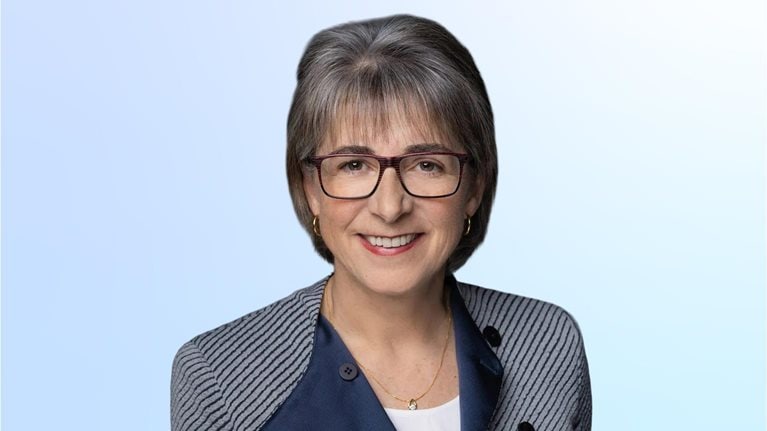
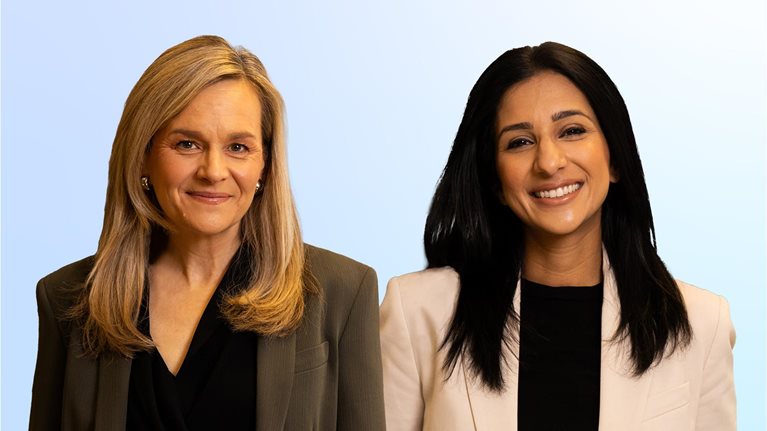
McKinsey Partners Johanne Lavoie and Aalia Ratani have been running the Western Canada chapter of the AWE program for the past four years. In that time, nearly 70 women have engaged with the program, and the alumni network remains strong. Three alumni have gone on to become CEOs, and others have gone on to prominent positions nationally—as well as to share their learnings with their teams and communities. In this interview, the partners explore the overall impact of the AWE Canada program to date and what’s ahead.
The below interview has been edited for length and clarity.
McKinsey: Why is it important to bring women in executive roles together?
Aalia Ratani: The biggest surprise for me when we started AWE was how few of these women already knew each other. They were all senior executives from the same city or region. But many of our participants walked into their first AWE meeting and said some version of “I had no idea there were more people like me.” It was clear the program was overdue and there would be value in connecting peers at similar stages in their careers with shared context at work and as women executives.
Johanne Lavoie: One reason why we bring peers to the table is there’s not many of them, right? There are very few at the table, especially because we have male-dominated sectors here. We’re talking about energy, construction, infrastructure, telecommunications—and even some parts of the financial environment—where most of the time there’s one woman, or very few, at the table. That’s another shared challenge they’re facing together. And they can really be of support to each other because their challenges are very similar.
They’re all at a point where the leadership challenges they face are complex, and many of the challenges that exposure brings are similar across companies and sectors. Executives are also starting to have more exposure to the board and investors, and they need to think in terms of systems and enterprise-wide strategy. But they may also share many of the same internal barriers or fears—and in recognizing that in each other, they can recognize it in themselves.
McKinsey: How does the program shift participants’ mindsets in a way that sets them up for the CEO role?
Johanne Lavoie: We have deliberately designed the program so that women bring their toughest challenges to our meetings for discussion. What’s tough is generally not the technical issues involved in that challenge but rather the broader implications for the organization. Teasing those out and finding the right solution necessitates real vulnerability, and we create space to do that with smart, experienced peers.
Aalia Ratani: Being among peers makes a huge difference here. In most cases, when these women get invited to programs like this, they’re the most senior women in the room and are mentoring a bunch of younger women. That mentor–mentee context is generally much less conducive to the sorts of frank conversations that you can have with those going through the same set of experiences.
Often women are socialized in a certain way so that they become really good at executing in the background and perhaps expecting others to just notice—and reward them for—that work. What’s been really amazing about AWE is seeing these women stop playing small and start to be more comfortable taking up space. We even get feedback from CEOs saying they’ve seen a shift in how the women on their teams show up, which has driven both a better team environment and better business outcomes.
McKinsey: How do you define and measure the impact that AWE has?
Aalia Ratani: The impact we’ve had in AWE Canada has been beyond what I could have imagined. We’ve had three CEO announcements. We have 70 women either going through the cohort or who are alumni of the cohort. We have plans for more cohorts to come. What I would love to see is that we continue that growth, we continue to help women leaders show up as the best versions of themselves, and they take those learnings and share it beyond themselves with their teams and with their organizations. Then, I think we will truly start to have impact.
Johanne Lavoie: Our goal is to continue to grow that network as a source of wonderful leadership and change in our country. As Canadians, we can benefit from the best leadership at the top as we face increasingly complex challenges, and AWE is part of that contribution.
We’re already starting to see impact stories multiply. When an alumna became a CEO recently, she sent an email to say how much her AWE network had supported her. Two of our advisory board members also recently came together in an important moment for Canada to pool their influence at a crucial negotiating table.
That second example means a lot to me in the context of the growing and increasingly complex challenges that we face in the world right now. To solve these challenges, we need to bring more of the feminine attributes of leadership to the executive table, which is still much too patriarchal. When women show up more fully, they give permission to their male colleagues to do the same. Each AWE meeting is contributing to that snowball effect, and the overall impact could be seismic.
McKinsey: What are some of your AWE takeaways from a leadership perspective?
Johanne Lavoie: We stand at a moment when the world is facing many overlapping crises, some of them potentially existential. Strong leaders are more crucial than ever—and AWE has helped build my faith that we can find them. The program has reminded me of the incredible and too-often untapped potential that exists within rising leaders across this country. On a personal level, I’ve loved building relationships with this amazing network of women and celebrating their successes.
Aalia Ratani: I’m passionate about the ways in which this program is creating more opportunities for women, including through role modeling and mindset shifts. There is a lot of work still to do to set future generations—including my own daughter—up for success, but AWE is making a real contribution to that critical endeavor.