New York has always been a city for people chasing more: more opportunity, more reinvention, and more life. Now, as more New Yorkers1 live longer, its leaders and citizens have a chance to define what those added years should look like—not simply as years of survival but as years of independence, productivity, and thriving. The city can facilitate innovation, avoid the longevity hype, and create an economic flywheel that simultaneously advances health and business.
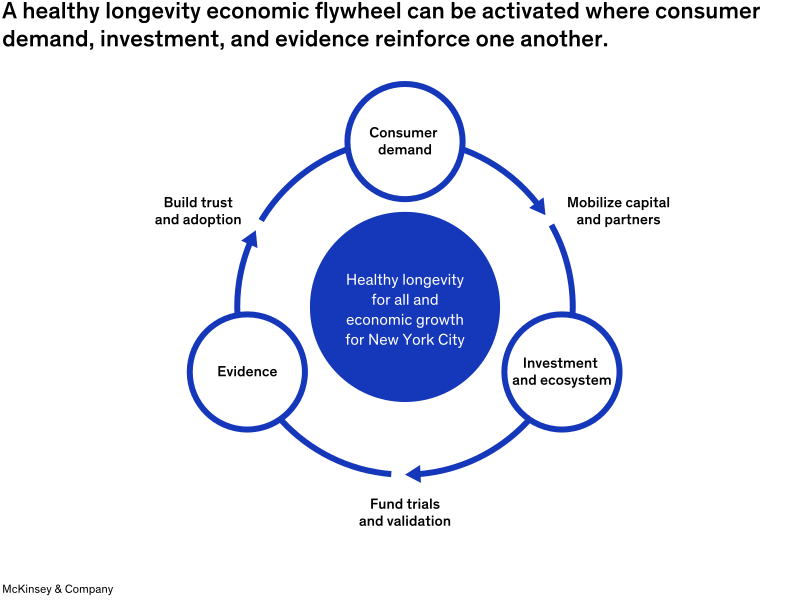
That flywheel turns when three forces reinforce each one another: consumer demand, investment and ecosystem, and evidence (Exhibit 1). Strong demand creates the need for proof over hype around offerings, which mobilizes capital, employers, and cross-sector partners. Those resources fund trials and independent validation of offerings at scale. And the validated offerings build trust, lift purchase intent, and generate more demand. The ambition at the center is healthy longevity for all and economic growth for the city, but it can only be achieved if the evidence decides both what gets funded and what gets sold.
New Yorkers’ demand for emerging longevity products and services—from diagnostics and supplements to recovery, wellness, and preventive care—can be instructive for understanding how the three forces play out in metropolitan areas. And New York City is positioned to lead, not just participate in, the longevity economy.
Achieving healthy longevity requires action well beyond any single market—across government, employers, health systems, communities, and the conditions of daily life.2 This report focuses on one question within that broader agenda: How can New Yorkers’ demand for emerging longevity products and services—diagnostics and supplements, as well as recovery, wellness, and preventive care—fuel a self-sustaining, evidence-based flywheel?
A new McKinsey report, based on analysis from the McKinsey Health Institute (MHI) and survey results from approximately 3,000 New Yorkers, shows how those in the city are asking for—and purchasing—products and services that provide evidence of improving healthy longevity. It also reveals a framework for how entrepreneurs and investors can identify, launch, and scale evidence-based offerings.
Specifically, this analysis illuminates the following points:
- Long, healthy lives are an achievable goal and economic imperative.
- New York City has the assets and momentum to become a leading longevity hub.
- New York City residents are already embracing healthier, longer lives.
- Persistent disparities and fragmentation could prevent the city from realizing its longevity potential.
- Initiating an evidence-based economic flywheel requires coordinated action across stakeholders.
Long, healthy lives: An achievable goal and economic imperative
Lifespan has improved dramatically over the past seven decades, but healthspan has not kept pace—and that gap is what makes healthy longevity an economic imperative as societies age. Demographic shifts translate into a greater proportion of older adults in many high-income economies, as lifespan increases and birth rates decrease. For example, the proportion of adults 65 years or older in the United States is projected to increase from 16 percent to 23 percent from 2020 to 2050. These demographic changes will translate to a 16 percent increase in noncommunicable disease burden by 2050.3 A 2021 analysis in Nature suggested there is $38 trillion in aggregate economic value in the United States for every incremental year of healthy life expectancy gained across the population. That value comes in the form of productivity gains, reduced disease burden, and quality-of-life improvements.4
Globally, people are living longer, but they are also living longer in poorer health: For example, brain health conditions are among the largest contributors to years lived in poor health.5 Around two-thirds of people will experience cognitive impairment around the age of 70, more than two-thirds of Americans will spend an average of three years in long-term care at some point in their lives, and approximately 31 percent of men and 43 percent of women will experience sexual dysfunction at some point in their lives.6
Healthy longevity is also a strong individual aspiration. When faced with the concept of living longer but without the elements that make life enjoyable, people are willing to pay for more years in good health. Wellness is more important to consumers than ever. In the United States alone, McKinsey estimates that wellness represents more than $500 billion in annual spend, growing at 4 to 5 percent each year.7 Spending on personal care, such as skin care or hair care products, increased by around 73 percent between 2014 and 2024, outpacing the roughly 68 percent increase in overall consumption over the period.8
Individuals vary in their definitions of healthy aging and healthy longevity, but however they define the terms, the majority value the core idea of living longer while staying healthier. Nearly 60 percent of US respondents reported that healthy aging is a “top” or “very important” priority.9
Importantly, achieving the aspiration for longer, healthier lives is eminently feasible. Many of the building blocks for better health are already known. MHI identifies 23 modifiable drivers of health—factors that shape how long and how well people live, including diet, exercise, sleep, social interaction, economic security, and stress.10 Critically, 19 of the 23 sit outside the conventional healthcare system, so many of the factors that shape health are influenced by how people live and work and by the environments around them. Because these drivers are modifiable, the potential gains are substantial: Improving these conditions could add about 12 years to healthy life expectancy at birth and potentially lead to $16.4 trillion in annual GDP globally by 2050.11 For New York, this could mean averting 3.5 million disability-adjusted life years (DALYs) and generating $234 billion in annual economic impact by 2050.
The interest in longevity and a surge of energy around modifiable drivers are welcome, but carry a familiar risk. Longevity’s long history of overpromise makes separating evidence from hype especially important—particularly as consumer markets for supplements, diagnostics, and “longevity” services may be expanding faster than the science can validate them (see sidebar “Longevity’s eternal promise: A 5,000-year quest for healthy longevity”). That tension matters. While the opportunity looks substantial, so does the risk that faddism could erode public trust in a topic this important. New York may have an opportunity to lead by channeling the energy around longevity toward what can be tested, measured, and shown to work.
New York City has the assets and momentum to become a leading longevity hub
MHI defines a healthy-longevity hub as a place where there is demand for products and services related to healthy longevity. The scope of these products and services would include categories such as nutrition and healthy eating; fitness and physical performance; recovery, wellness, mindfulness, and appearance; health monitoring and diagnostics; and medical interventions and preventive care.
Other cities and researchers already are using similar frameworks to pursue the same goal. For example, a Milken Institute report makes the case that cities aiming to extend healthspan should prioritize environmental exposures, brain health, urban livability, emerging technologies, and equity—with cross-sector action, not policy alone, at the center.17 Other entities focus on policy and place-making or on research clusters, regulation, and clinical development. What the MHI analysis adds is a demand-side view: whether a city’s residents prioritize healthy longevity, understand it, spend their earnings on it, experiment with it, and act on it (see sidebar “Research methodology”).
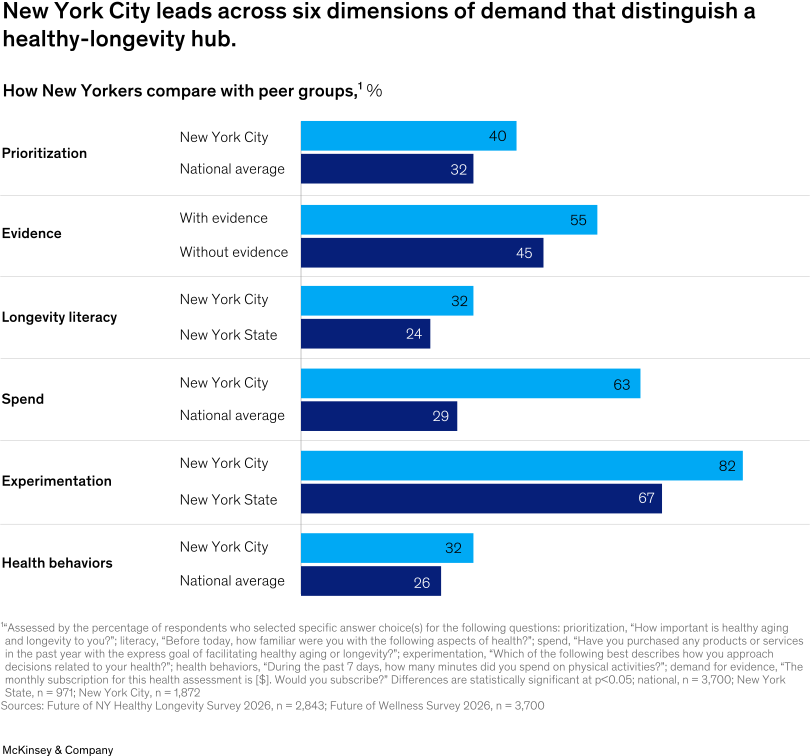
In a healthy-longevity economy, there is substantial demand by residents for relevant products and services, as well as the willingness to pay for them. Residents also have a good understanding of healthy longevity and are ready to experiment. We measured six dimensions of demand:
- Prioritization. Residents are more likely to prioritize healthy longevity than others.
- Evidence. Residents prefer products and services that have been demonstrated to work.
- Longevity literacy. Residents demonstrate existing familiarity with longevity-related concepts.
- Spending. Residents are more likely to purchase longevity products and services and plan to maintain or increase their expenses.
- Experimentation. Residents are forward-thinking and plan to adopt new technologies and/or health trends into their daily lives.
- Healthy behaviors. Residents already adhere to healthier eating and exercise behaviors, suggesting their prioritization translates into action.
Based on this list above, NYC has all the demand markers of a healthy-longevity hub when compared with the rest of the nation and broader New York State (Exhibit 2).
The last dimension, the preference for evidence-based products and services, is essential to the economic flywheel. Consumer spending improves healthy longevity only when people adopt offerings that work. Evidence also builds trust, sustains demand, drives measurable health benefits, and encourages companies to invest in research and validation.20
New York also has many of the supply-side ingredients to support a healthy-longevity ecosystem. Its broader life sciences sector provides a substantial base of capital, research, talent, and infrastructure on which the field can build. Since 2019, Greater New York has attracted roughly $12.5 billion in life sciences venture capital, the fifth-largest total of any market globally, and the metro area drew almost $3.2 billion in National Institutes of Health funding in fiscal year 2024, the highest of any US metropolitan area.21
The city is also beginning to emerge as a convening and innovation center for healthy longevity. In May 2025, the city hosted the XPRIZE Healthspan Awards, part of a seven-year, $101 million global competition explicitly focused on extending healthy life, alongside a dedicated Healthspan Investor Summit that brought together investors funding longevity, biotech, and life sciences companies.22 On research talent, the city is home to four of the world’s top 20 longevity researchers by h-index (which is a metric that measures a researcher’s productivity and citations). This means New York is home to researchers in about 20 percent of the global top tier.23
New York, of course, is not the only city exploring healthy-longevity efforts. If these supply-side strengths can be connected to the demand documented in the chapters that follow, the city has a credible path toward becoming a hub that does not just consume longevity products but also helps shape which ones work.
New York City residents are already embracing healthier, longer lives
John Updike observed a true New Yorker’s secret belief “that people living anywhere else have to be, in some sense, kidding.”24 On healthy longevity, the conceit turns out to be partly earned. Across all six dimensions of demand that define a healthy-longevity hub, New Yorkers run ahead of their state and national counterparts: They prioritize healthy longevity more, know more of the concepts, spend more on products and services associated with healthy longevity, experiment more, act on it more, and ask harder questions about whether any of it works.
The easy explanation is demographic, since New York City’s population profile differs from that of the country.25 But the pattern survives the obvious controls. New Yorkers outspend their income-matched national peers in every income bracket, and they define longevity in the same terms whatever they earn, in contrast to nationally, where the definition shifts with affluence. Something about the city itself appears to be at work: dense employer, media, wellness, mindfulness, and clinical ecosystems in which residents encounter new health ideas earlier and more often and in which those ideas travel by proximity. Network effects, in other words, may be doing work that demographics alone cannot.
But it’s not just about willingness to spend. A city can generate enormous demand and still produce very little health if the demand chases claims rather than results. What makes New York interesting is that its residents are inclined—if not yet equipped—to tell the difference.
Prioritization: New Yorkers prioritize healthy longevity and have a holistic conception of health
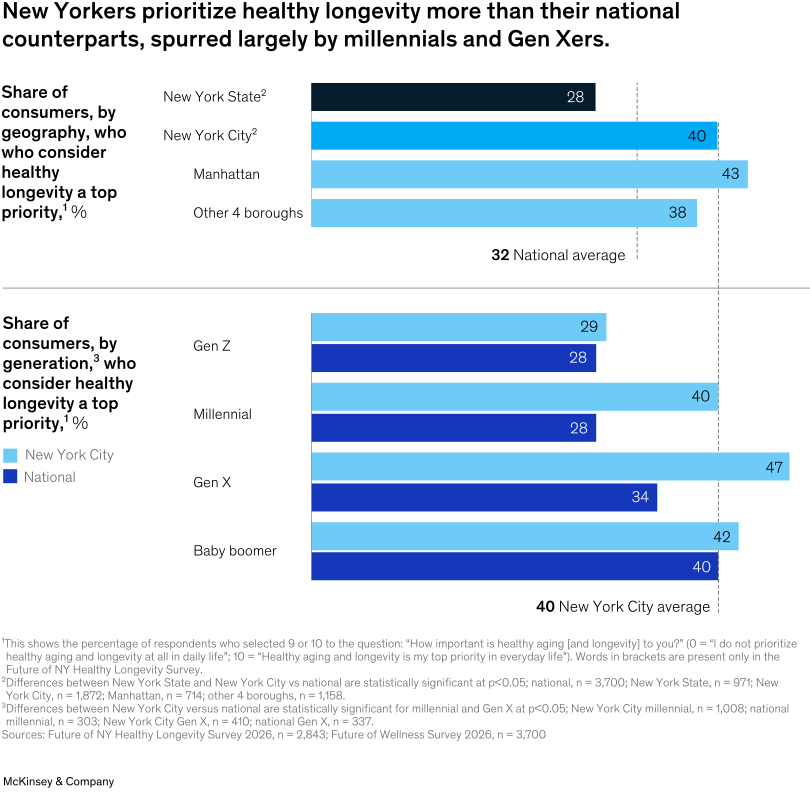
New Yorkers are markedly more likely than other Americans to treat healthy longevity as a top priority, a pattern driven by millennials and Gen Xers. Forty percent of city residents rate healthy longevity as a top priority, eight points above the national average of 32 percent (Exhibit 3). Millennials sit 12 points above their national peers, and Gen Xers are 13 points above the national figure. New Yorkers, it turns out, are not kidding about this. But the conviction is concentrated in the middle of the age distribution, among the generations old enough to notice the first signals of aging and young enough to have decades in which to do something about it. Within the city, Gen X leads outright at 47 percent.
Social and spiritual health matter more to New Yorkers than to much of the country. On the two dimensions that dominate most health conversations, New Yorkers are unremarkable: 83 percent rate physical health very or extremely important, and 84 percent say the same of mental health, both within a point of the national figures (Exhibit 4). The distinctiveness lies elsewhere. Sixty-nine percent rate social health very or extremely important, ten points above the national average, and 60 percent say the same of spiritual health, five points above. In a city of eight million people, few of them strangers to a rush-hour subway car, social health is not an abstraction.
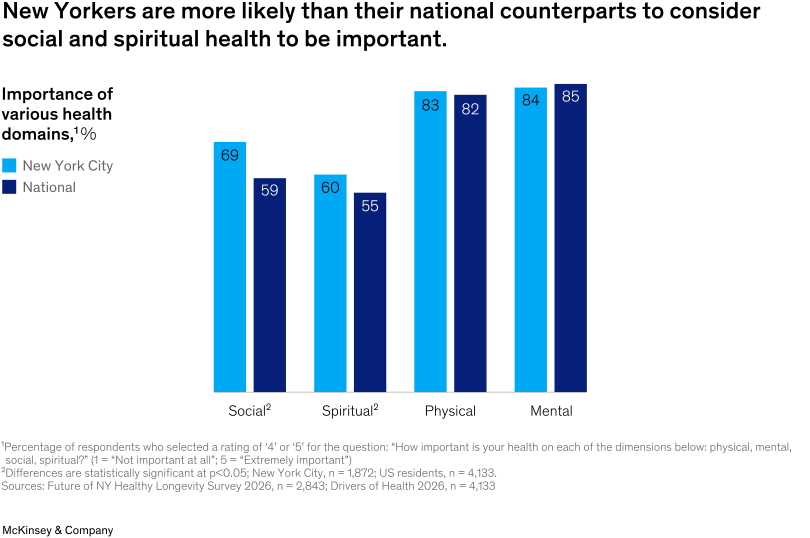
New Yorkers appear to know intuitively what the evidence increasingly supports—that social and spiritual health are as consequential as physical and mental health and deeply interconnected with it.26 The commercial implication is direct: Products built solely around biomarkers and physical performance miss the social and spiritual dimensions where New Yorkers diverge most from national norms.
New Yorkers at every income level tie longevity strongly to maintaining physical appearance. Fifty-two percent of city residents say longevity includes maintaining physical appearance as they age, eight points above the national average of 44 percent (Exhibit 5). The more revealing finding is the income pattern, or rather its absence. Nationally, appearance framing climbs with affluence, from 43 percent of households below $200,000 to about 50 percent above it. In New York, it sits approximately flat at 51 to 52 percent on both sides of that line; the ambition to age with grace and style is, in this city, thoroughly democratic. Nor is it a Manhattan affectation: The outer boroughs run higher, at 54 percent against Manhattan’s 49.
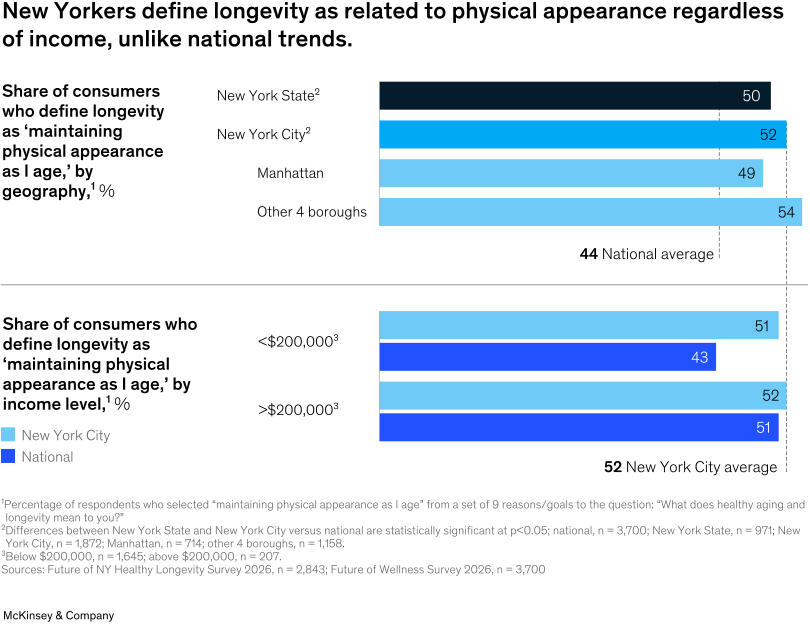
This sets up the central tension of the chapter, because appearance is the most visible and least evidence-rich corner of the longevity market. The same instinct that generates New York’s demand also leaves the city exposed to precisely the claims that do not survive scrutiny.
Evidence: New Yorkers put a premium on evidence, which makes the flywheel work
While consumers may not base their decisions only on evidence, it’s clear that evidence-based products hold allure. That’s especially true in the categories of meal kits, skin care, health assessments, and supplements.
New Yorkers desire evidence of product effectiveness. While no consumer deliberately buys snake oil for healthy longevity, NYC respondents may be more skeptical than their national cohorts and care more about evaluating what works. Among high-spending New Yorkers who express interest in a given longevity product or service, evidence-based positioning increases their intent to purchase. Across products, the share who say they definitely will purchase is 11 percentage points greater when the offering includes evidence of effectiveness. This effect is especially pronounced for meal kits, where the share of respondents saying they will definitely purchase is 19 percentage points higher with supporting evidence (Exhibit 6).
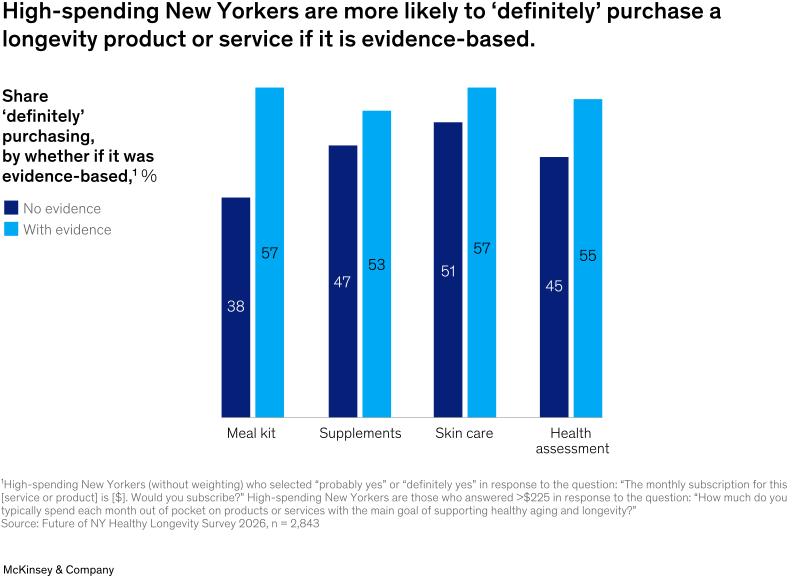
Evidence can tip the balance for buyers already in the market for conversion. Survey results did not indicate that New Yorkers are willing to pay more for evidence-backed longevity products than for comparable products without evidence-based positioning. This suggests that certain longevity market products may already be priced at a premium; evidence enables trust and conversion, not higher prices. However, entrepreneurs, businesses, and researchers have a clear reason to invest in research across the longevity space: The proliferation of evidence-based products can broaden the reach of longevity beyond high-spend consumers and, ultimately, beyond NYC itself. Over time, this could create the economic flywheel in which consumer demand fuels additional research, which in turn stimulates further consumer demand.
Longevity literacy: New Yorkers understand more of the relevant concepts
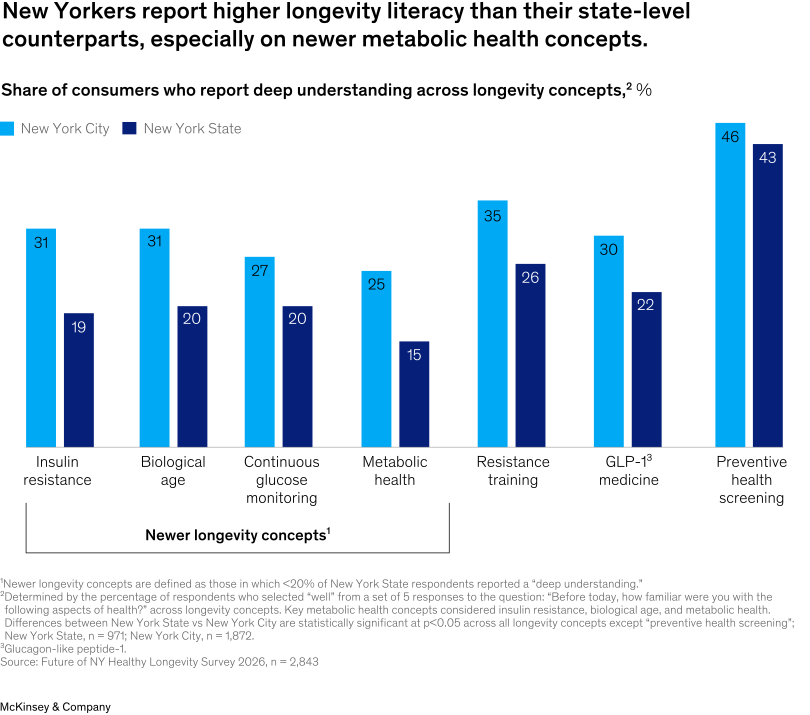
New Yorkers report a deeper understanding of longevity concepts when compared with their state counterparts, with NYC’s average familiarity eight percentage points higher than New York State’s. This gap is widest when comparing Manhattan with New York State. Generationally, NYC baby boomers are relatively much more literate than state baby boomers, even though they’re not the top-scoring generational group within NYC itself.
New York City residents, especially those in Manhattan, report greater familiarity with longevity concepts than counterparts elsewhere in the state. New Yorkers are eight percentage points more likely to express a deep understanding of longevity concepts than their statewide peers (Exhibit 7). This increase in familiarity is largely driven by Manhattanites, whose likelihood of reporting a deep understanding is 12 percentage points higher than for the state as a whole.
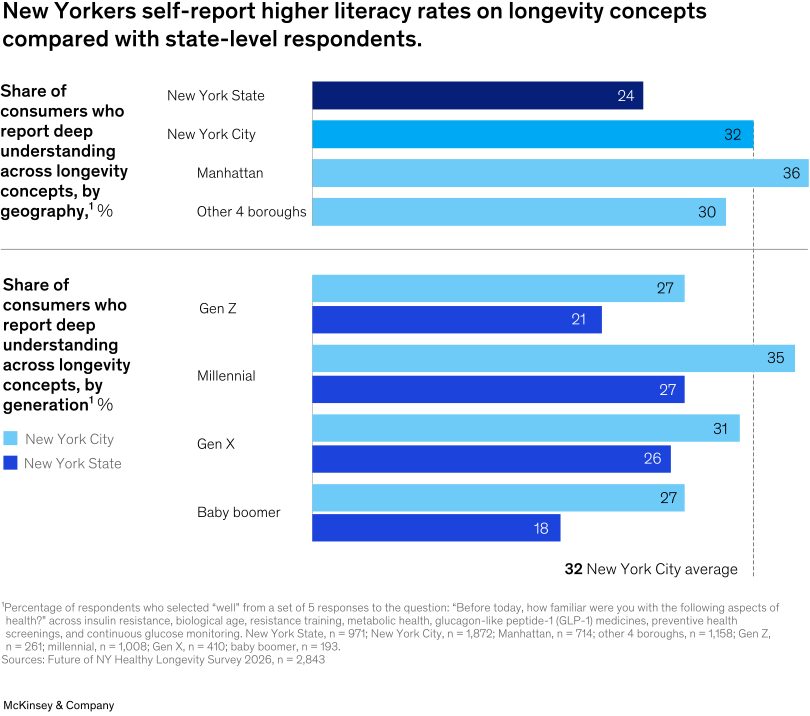
The differences in familiarity are greatest for emerging topics, suggesting greater exposure in NYC, not deeper understanding. The concepts for which New Yorkers have the largest edge in familiarity are the emerging concepts (insulin resistance, biological age, continuous glucose monitoring, and metabolic health), not established topics such as preventive screening (Exhibit 8). This pattern may indicate that higher health literacy among New Yorkers reflects greater exposure to emerging terminology about health and longevity rather than greater baseline knowledge or intelligence. The city’s dense health, wellness, media, and employer ecosystems may surface newer concepts faster.
Spend: New Yorkers outspend state and national averages across categories and income levels
New Yorkers purchase longevity products and services at more than double the national average, with 63 percent of NYC consumers reporting a purchase compared with 29 percent nationally.
New Yorkers are more than twice as likely as other Americans to have bought a longevity product or service in the past year, with Gen Zers and millennials furthest ahead. City respondents are 15 percentage points more likely to have purchased longevity products and services than their non-NYC state-level counterparts and 34 percentage points more likely than their national counterparts (Exhibit 9).
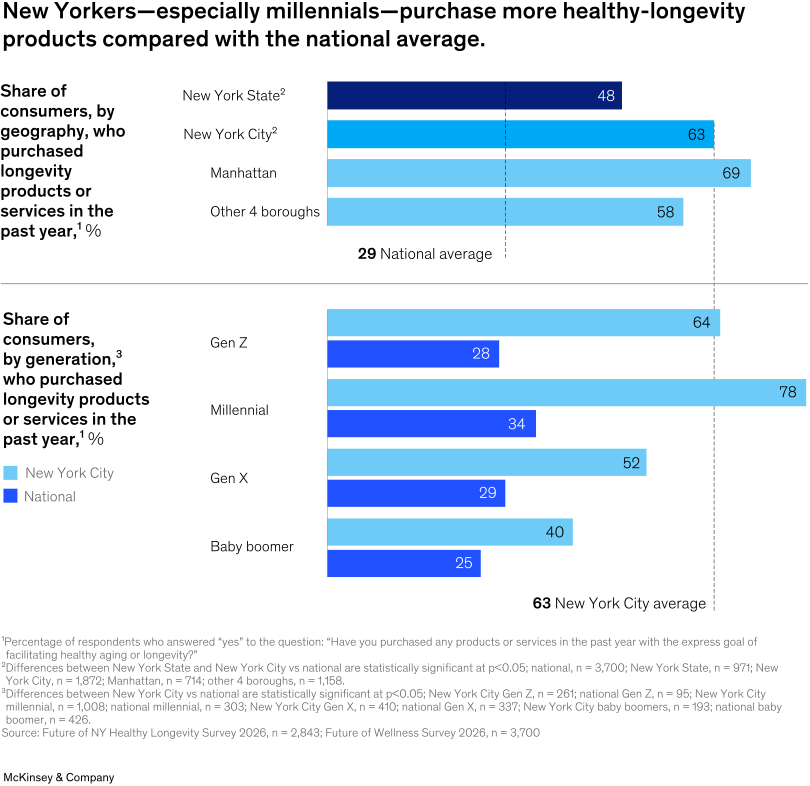
Millennials—known for their digital fluency, high education levels, and ability to quote “Mean Girls”27—stand out with the highest numbers for longevity-related consumption. New Yorkers are not just interested in longevity; the city is already a live consumer market. For founders and investors, this means NYC could support early revenue and real-world learning, not just brand awareness.
This story is not simply about income: Every income group in the city outbuys its national peers. The tendency for New Yorkers to consume more longevity-related products and services is consistent across all income levels (Exhibit 10).28 Gen Z respondents may be reflecting the influence of social-media-driven “prejuvenation” culture, which can focus on early, preventive intervention rather than reactive antiaging.29
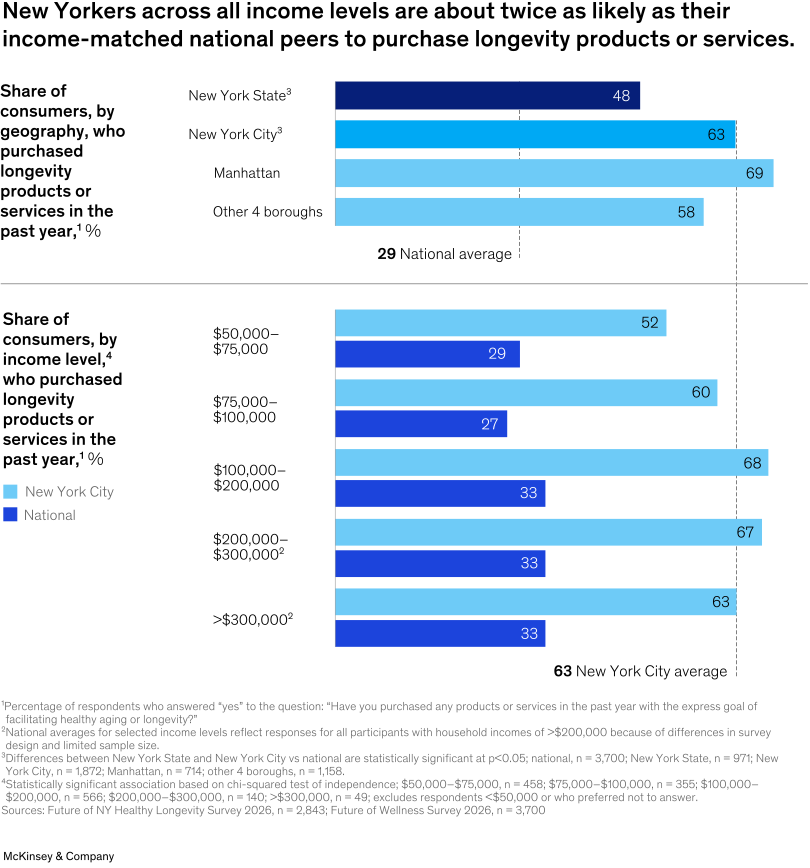
New Yorkers in all income groups were at least 23 percentage points more likely to purchase longevity-related products and services than their income-matched national peers. Longevity demand in NYC is broad based, not confined to affluent Manhattan outliers. That could make the city a representative launch market for scaling beyond premium niches.
Spending in NYC is sticky, with most New Yorkers holding or increasing it year on year. Most NYC residents across generations reported maintaining or increasing their longevity-related spend (Exhibit 11). More than half of New Yorkers said they increased their spending in the last year, and at least 69 percent of respondents from each generation said they plan to maintain or increase their spend.
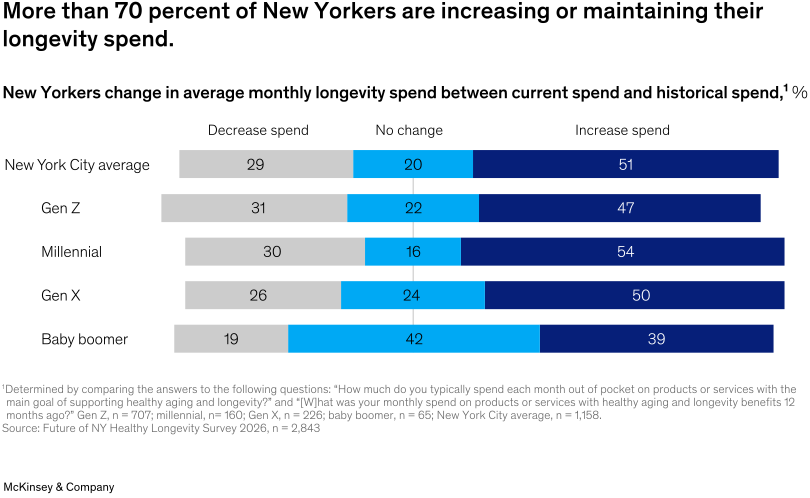
Healthy longevity is clearly not a one-off wellness fad for New Yorkers. This durability could attract follow-on investment and further pilots across product categories.
A concentrated group of high spenders, evenly split by gender and most earning under $200,000, carries the market. High-spending New Yorkers—those who spend $225 or more per month on out-of-pocket expenses for longevity products and services—represent a large and demographically broad segment of the city’s longevity market. While they account for a third of all New Yorkers, they account for 64 percent of longevity-related spend, underscoring their disproportionate importance to the category (Exhibit 12).
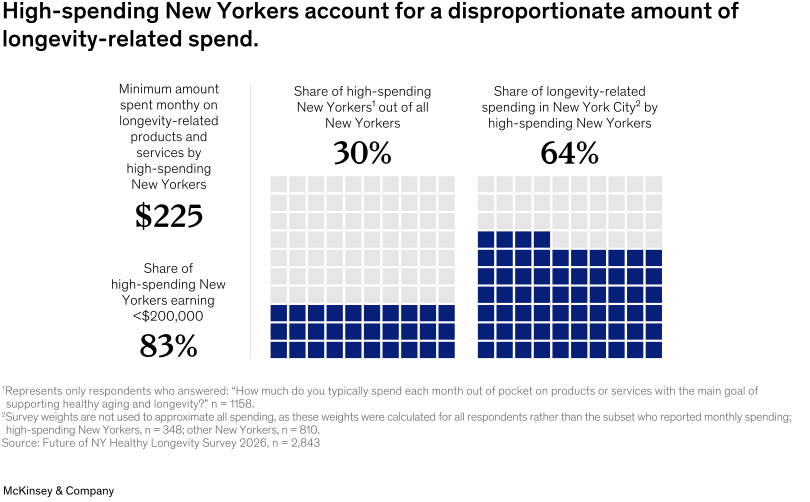
This high-spend group is not concentrated in a single demographic. Men and women are represented at roughly similar rates, with roughly a third of men and women qualifying as high spenders. Nor is high spending limited to the highest-income households. In fact, 83 percent of high-spending New Yorkers come from households earning less than $200,000 annually. NYC has both breadth (many buyers) and a concentrated core (few heavy spenders), making it a strong test market but one that may skew innovation toward premium products unless evidence and access broaden the base.
Experimentation: New Yorkers are more likely than others to experiment with new health approaches and AI
New Yorkers show a modestly stronger early-adopter mindset than residents elsewhere in the state, with Manhattan leading within the city. The difference is much more pronounced for AI: NYC residents report substantially higher overall AI use and greater use of AI to inform health-related decisions.
New Yorkers are readier than others in the state to adopt health approaches that haven’t yet reached the mainstream, though the margin is modest. NYC residents are five percentage points more likely than their statewide counterparts to report interest in adopting emerging health approaches before they reach the mainstream (Exhibit 13). This inclination is strongest in the Gen Z generation. Within the city, Manhattan residents show the highest level of early-adopter interest, reporting interest at a rate four percentage points higher than for residents of other boroughs.
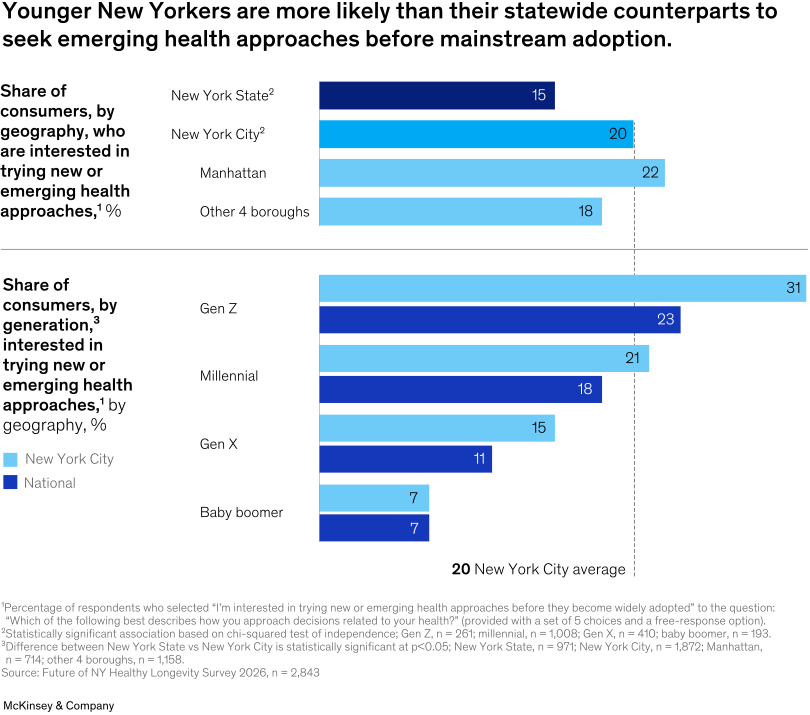
This early-adopter mindset is helpful for marketers looking for broader adoption of longevity concepts. It helps generate the demand, investment, and innovation needed to create a scalable and sustainable longevity ecosystem.
The pattern for early adoption is the same for AI use, including use of AI for health decisions. Compared with non-NYC residents of New York State, NYC residents are 18 percentage points more likely to use AI overall (Exhibit 14). Among AI users, NYC residents are approximately 15 percentage points more likely to use AI to guide health-related choices than AI users elsewhere in New York State. These patterns are relatively consistent across boroughs and generations, with the exception of baby boomers, who report lower rates of both general AI use and health-related AI use than other generations.
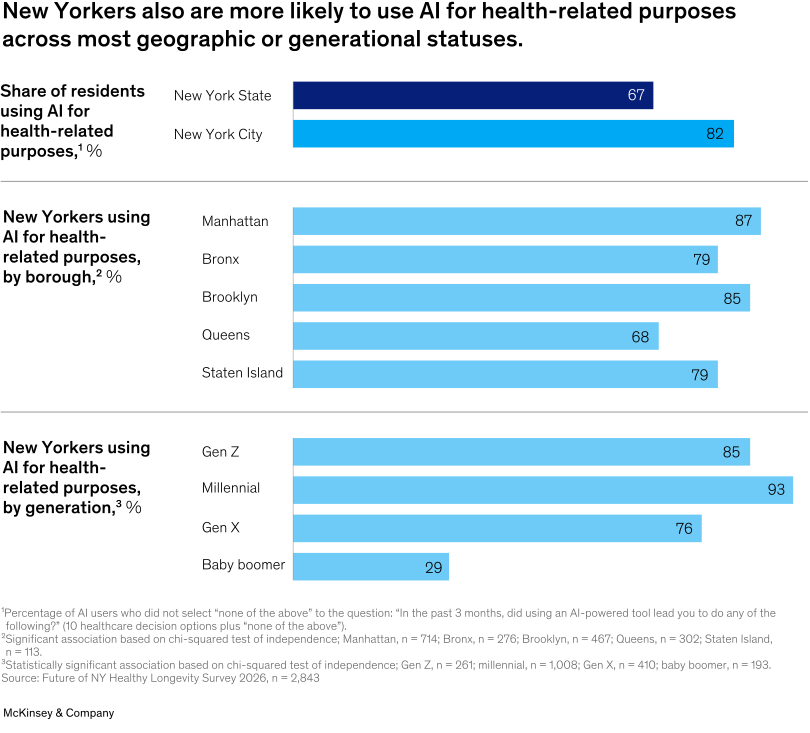
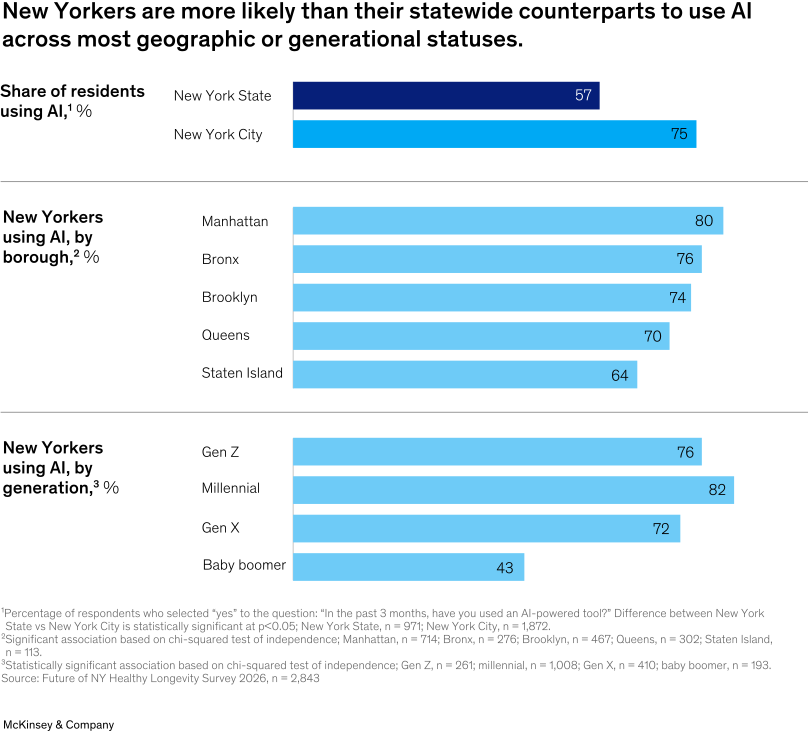
Higher health-related AI use suggests that experimentation is not only with products but also with how people evaluate health choices. The implication is that NYC residents may be more open to new approaches to health and wellness.
Early adoption patterns suggest the city is a plausible launchpad for longevity innovation. Early interest is a prerequisite to widespread adoption of longevity concepts and can initiate the economic flywheel required to create a scalable and sustainable longevity revolution. The early adoption of new health approaches and AI reinforce each other. For example, New Yorkers may be more likely than others to adopt health tracking apps or point-of-purchase services that can give customers a holistic perspective on how a given product may affect health.
Healthy behaviors: Manhattanites are most likely to report healthier eating and exercise habits
New Yorkers broadly report healthy eating and activity levels near national averages, but Manhattan stands out, with higher reported fruit and vegetable consumption and vigorous exercise. This concentration of health-focused behaviors could make Manhattan an attractive test market for health and longevity products or services that benefit from launching in a small, dense footprint.
Stated priorities translate into behavior but unevenly, with Manhattan above average for diet and vigorous activity while other boroughs are near the national average. If people are what they eat, New York City respondents are more than bagels, the perfect slice of pizza, and salty tears of joy from a Knicks victory. Almost half of respondents reported eating at least three servings of fruits and vegetables a day, with Manhattan driving the most consumption (Exhibit 15). Manhattan respondents were seven percentage points more likely than their national peers to report eating at least three servings of fruits and vegetables, and they were ten percentage points more likely than national peers to report at least 75 minutes of vigorous activity.
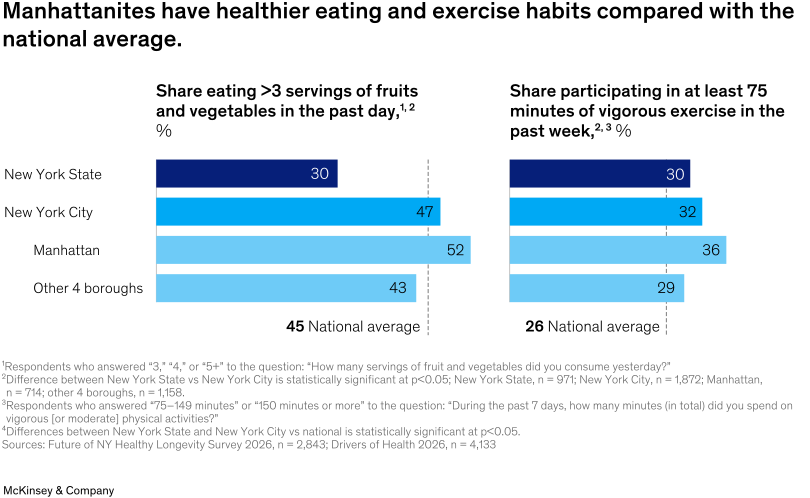
Manhattan’s concentration makes it a dense, health-focused test market for products launching with a small footprint. This “spike” of higher adoption for activity and healthier food for Manhattan could allow the borough to act as a possible micro-longevity hub. This ability to concentrate health-focused users in a small area could be especially advantageous for products and/or services that are starting with a smaller footprint to test novel concepts or that have comparatively limited resources.
Large disparities and fragmentation could challenge the city’s potential to be a healthy-longevity hub
A longevity hub cannot be built only for the people already able to participate in it. The same data that show strong demand also reveal a risk: Healthy longevity is widely desired across New York City, but not equally attainable. A New Yorker’s life expectancy can vary by more than a decade, depending on their zip code. Between 2014 and 2023, for example, life expectancy at birth in Brownsville, Brooklyn, was 75 years, which is 13 years shorter than in Murray Hill, Manhattan, where it was 88 years.30
What is clear is that healthy longevity resonates broadly across NYC’s income spectrum. More than 75 percent of NYC residents in every income bracket above $50,000 identify healthy longevity as either a “priority” or “top priority,” with prioritization remaining consistently high across income levels, ranging from 76 percent to 90 percent.31
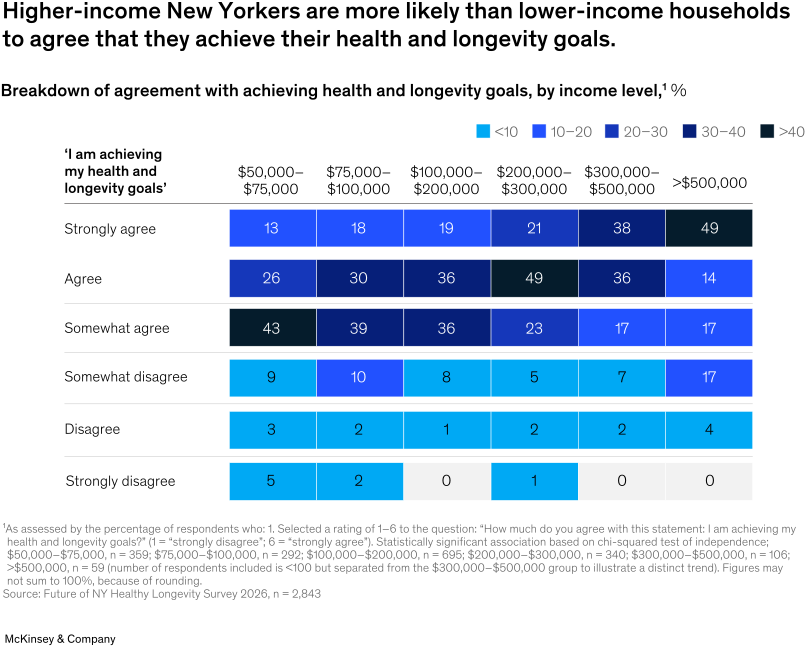
Yet this broad interest masks a meaningful divide in outcomes. When asked whether they are achieving their health and longevity goals, higher-income households are significantly more likely than lower-income households to say they agree or strongly agree (Exhibit 16). In other words, healthy longevity is widely valued—but not equally attainable.
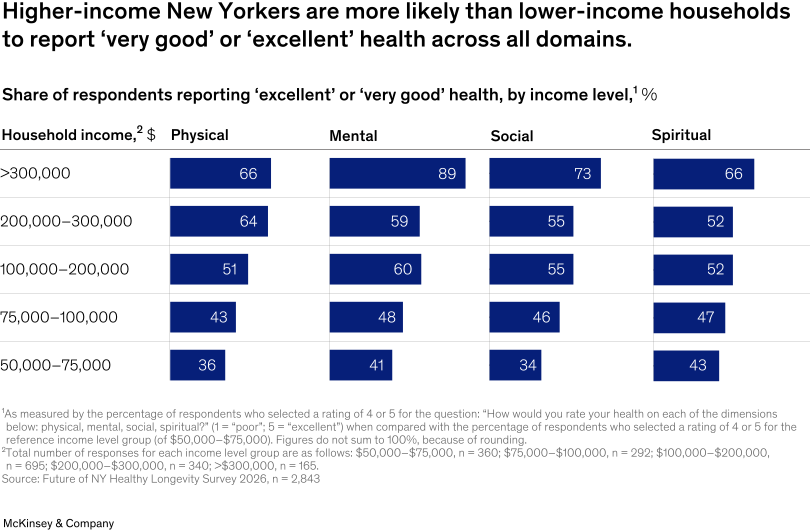
These disparities extend beyond overall goal achievement into the core dimensions of health: physical, mental, social, and spiritual well-being (Exhibit 17). Across all four dimensions, reported health improves as income rises. The highest-income group, earning $300,000 or more, stands out in particular. Compared with the $200,000-to-$300,000 income group, they are four percentage points, 30 percentage points, 18 percentage points, and 14 percentage points more likely to report “excellent” or “very good” health in the physical, mental, social, and spiritual domains, respectively. This could be related to healthy behaviors, as higher-income New Yorkers are more likely to eat recommended fruits and vegetables and report over 75 minutes of vigorous activity in a week. For New York to become a true longevity hub, its ecosystem will need to extend beyond affluent early adopters and create evidence-based offerings that are accessible, affordable, and relevant across all boroughs and communities.
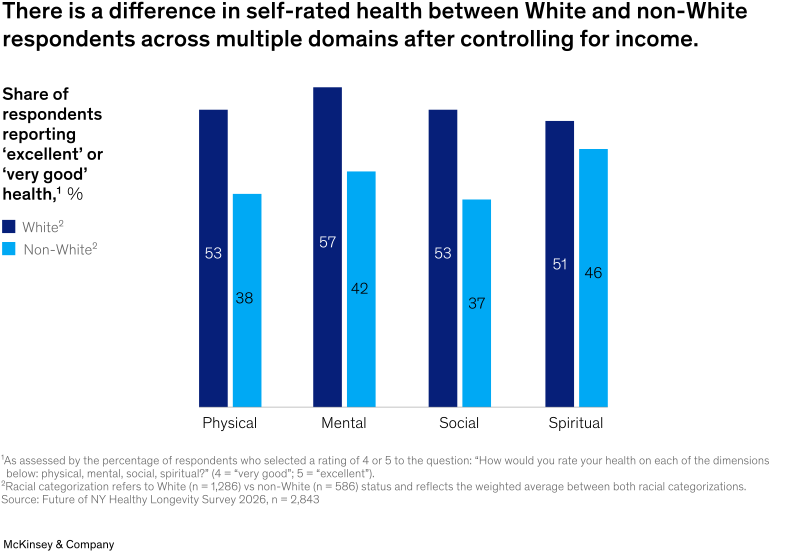
The divide also runs along racial lines. White New Yorkers were substantially more likely than non-White New Yorkers to report “excellent” or “very good” physical (53 percent versus 38 percent), mental (57 percent versus 42 percent), and social health (53 percent versus 37 percent) (Exhibit 18). Gaps in spiritual health were present but not significant. These differences persist within income bands and after adjusting for household income, suggesting that income alone does not explain the disparities. Differences in access to and quality of care, as well as broader structural and socioeconomic conditions, may also shape New Yorkers’ ability to achieve their health and longevity goals.
Sex- and gender-based differences add another layer to NYC’s equity challenge. Men and women prioritize healthy longevity at similarly high rates: Roughly four out of five in both groups rate healthy aging as a top priority. Yet women are less likely than men to describe their physical and mental health as excellent or very good: 44 versus 52 percent for physical health and 48 versus 56 percent for mental health (Exhibit 19). This gap is especially pronounced in midlife: Women aged 45 to 55—the typical perimenopausal and menopausal years—are roughly ten to 13 percentage points less likely than other women to rate their physical, mental, and social health as “excellent” or “very good.” In terms of healthy behavior, diet is less of a differentiator between genders than physical activity. Men report more vigorous activity per week than women. Together with income and race, this suggests the longevity economy may be failing to convert equally strong demand—especially among women—into equally attainable outcomes.
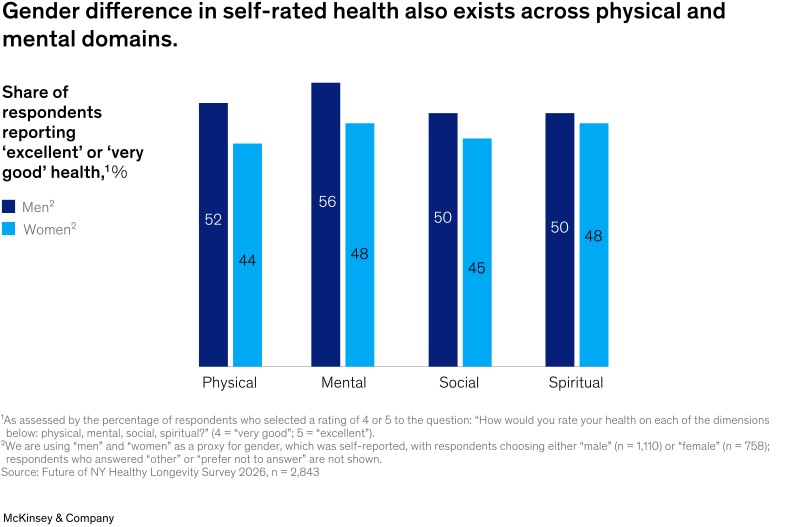
The gap is not only perceptual; it also shows up in access. In terms of access to longevity products, there is a clear affordability challenge for lower-income respondents (household income less than $200,000) relative to higher-income respondents (more than $200,000). In terms of the gender divide, women are more likely than men to cite affordability and lack of insurance coverage as barriers.
Together, these findings point to a major commercial and societal opportunity. Today’s longevity products and services are not adequately serving lower-income and female consumers, leaving a large share of NYC’s population underserved. Companies that design, price, and market evidence-based wellness offerings for these populations could expand the total addressable longevity market, build trust with overlooked consumers, and establish loyalty ahead of competitors.
The implications extend well beyond individual companies. If these disparities persist, NYC may struggle to build the inclusive, integrated economic flywheel required to become a true longevity hub. A thriving longevity ecosystem depends on broad participation. Consumers must signal demand, entrepreneurs must respond with relevant solutions, researchers must generate evidence, and investors must see scalable opportunity.
Income-driven barriers weaken that flywheel at the entry point. When cost, insurance coverage, and distrust prevent lower-income New Yorkers from participating in the longevity economy, the consumer base narrows. That, in turn, limits the market signal available to entrepreneurs and researchers, concentrating innovation around those already engaged in the longevity movement, rather than expanding it to those with the greatest unmet need.
Racial disparities further constrain the ecosystem. If product development and research fail to reflect the lived experiences of NYC’s diverse communities, solutions may be less scalable, less trusted, and less effective. Even well-intentioned income-targeted interventions may fall short if they do not also address racial gaps in access, experience, and outcomes.
Ultimately, these disparities threaten both the promise of longevity for NYC residents and the city’s ambition to serve as a global model. If one of the world’s most diverse and resource-rich cities cannot build an equitable and scalable longevity hub, other municipalities may be less likely to pursue similar efforts. That would slow the globalization of the longevity movement and limit its potential to expand human health.
Initiating an evidence-based economic flywheel requires coordinated action across stakeholders
New York City already has the essential ingredients to lead on healthy longevity: capital, talent, clinical credibility, world-class research institutions, a massive and diverse consumer market, and residents who prioritize, spend on, and experiment with longevity more than almost anyone else. Yet these strengths remain disjointed and unevenly distributed. That’s why there is an opportunity for an integrated economic flywheel—one grounded in evidence, powered by consumer demand, and scaled through trust (Exhibit 20).
No single institution can turn the potential of healthy longevity into reality. It will likely require entrepreneurs, employers, investors, academic institutions, health systems, philanthropies, and government to move in the same direction. The ideas that follow are not a fixed road map but an illustrative menu of what coordinated action could look like. Each idea is designed to strengthen a different part of the flywheel, from generating credible evidence to channeling demand toward what works and extending its benefits to every borough. They are deliberately open on execution: Who leads, who funds, and at what level would need to be worked out case by case, and the ideas vary widely in cost, complexity, and feasibility. Some could be piloted quickly with existing resources and willing partners, while others would require new funding mechanisms, regulatory clarity, or years of institutional coordination. Together, the ideas point to a single ambition: to make New York the city that defines the modern healthspan movement and offers a blueprint that others can follow.
New Yorkers’ legendary restless intensity—this is the city that never sleeps, after all—is exactly what the healthy-longevity movement needs. The pieces are already here: the demand, the science, the capital, the eight million opinionated test subjects. What is left is to connect them so the difference between what works and what merely sells becomes as obvious as the New York skyline coming into view.
If New York gets this right, its legacy won’t be measured only in companies built, talent attracted, or capital deployed, but in longer, healthier, and—naturally—more interesting lives. And if any city can turn living longer into something worth bragging about, it’s this one.
Related Articles


Age is just a number: How older adults view healthy aging