The Century of Plenty Podcast
Subscribe to the Century of Plenty podcast
The Century of Plenty podcast brings pioneering thinkers, innovators, and business leaders together to explore what it will take to create universal prosperity for generations to come. Each episode offers bold, optimistic conversations about the breakthroughs and choices shaping humanity’s future—from technology, energy, and demographics to investment and financial markets.
Latest Episode
Podcast
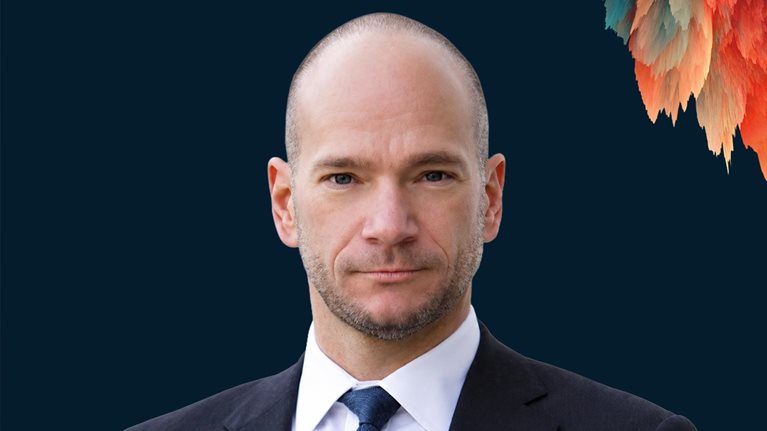
Andrew McAfee on AI, jobs, and ‘permissionless innovation’
-
What if the biggest risk isn’t too much technological progress—but too little?
Recent Episodes

Podcast - MGI Research
Why progress is more physical than we think
-
From tomatoes and copper to data centers and steel, the modern economy depends on a material world hidden in plain sight.

Podcast - MGI Research
Some hard questions about a world of plenty
-
Plenty may be possible—but what would it take to make it probable?

Podcast - MGI Research
How do we reach universal prosperity by 2100?
-
Can you imagine even the poorest country in the world achieving the prosperity and quality of life of today’s Switzerland—by...
About the hosts
About the hosts

Sven Smit
Sven Smit is a McKinsey senior partner and the former chair of the McKinsey Global Institute (MGI). During his 35-year McKinsey career he also led the firm’s European region, and the Strategy and Corporate Finance Practice. He is based in Amsterdam.

Chris Bradley
Chris Bradley is a McKinsey senior partner and former director of MGI. Along with Sven, he was a coauthor of the best-selling book Strategy Beyond the Hockey Stick. He is based in Sydney.

Nick Leung
Nick Leung is a McKinsey senior partner and director of MGI. In his 33 years at the firm, he was chairman of McKinsey’s Greater China region for over a decade, and leader of the Corporate Finance Practice in Asia. He is based in Hong Kong.

Marc Canal
Marc Canal is an MGI senior fellow and leads research on global progress, with a focus on productivity, demographics, human capital, and technology. He is based in Barcelona.
Explore the book
Book
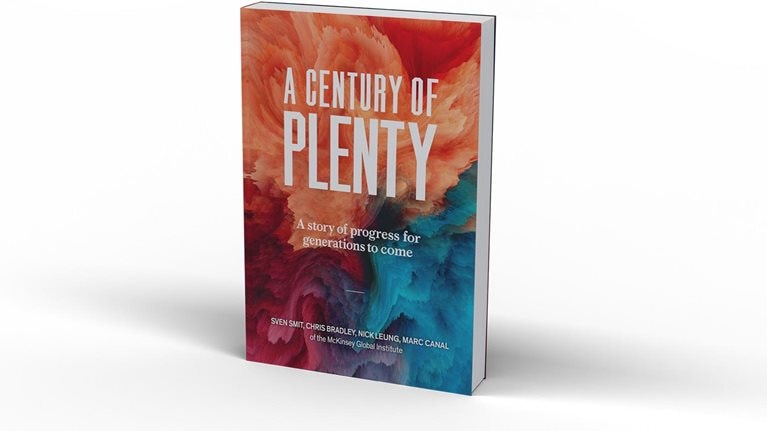
A Century of Plenty
-
This book, a major research effort from the McKinsey Global Institute, explores the advances of the past century and what drove them—what we call the progress machine.