Southeast Asia is already exposed to extreme weather events, with nearly half of the region’s land area and population exposed to at least one climate hazard.1 Ten percent of the region’s land is at risk of riverine flooding, while 15 percent experiences heat stress conditions.
The region has creatively addressed weather hazards for centuries. Over the years, responses have ranged from constructing flood defenses to developing strategies to manage extreme heat. Singapore’s first prime minister, Lee Kuan Yew, credited air conditioning as the key to the country’s success, saying, “Air conditioning was a most important invention for us, perhaps one of the signal inventions of history. It changed the nature of civilization by making development possible in the tropics.”2
Yet despite this history and ongoing investment in adaptation, current protection levels remain limited—a challenge that Southeast Asia shares with most other regions in the world. As global temperatures rise, exposure to climate hazards will only grow, increasing adaptation needs and costs.
Our methodology
In our recently published report, “Advancing adaptation: Mapping costs from cooling to coastal defenses,” we analyzed eight climate hazards across four categories—heat, wildfires, drought, and flooding—to assess exposure now and in the future, and to estimate the cost of adaptation.1 To do so, we relied primarily on external climate models used in the sixth assessment report by the Intergovernmental Panel on Climate Change (IPCC).2
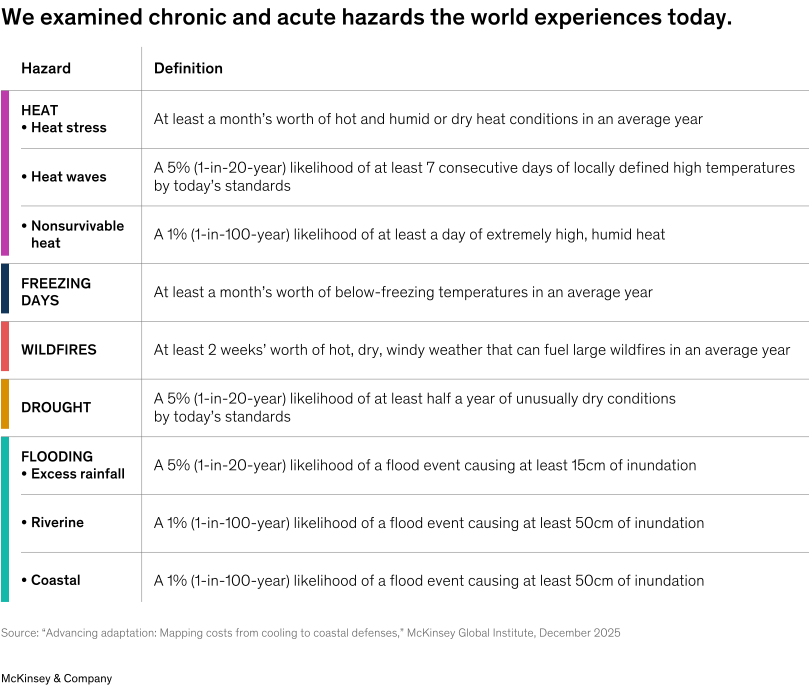
We examined eight hazards across four categories: severe heat, destructive wildfires, prolonged drought, or intense flooding. Two of the hazards we examined, heat stress and wildfire weather (which we also refer to as wildfires), are chronic and happen every year in the places that are exposed to them. The remaining six hazards—coastal flooding, riverine flooding, flooding caused by excess rainfall, heat waves, nonsurvivable heat, and drought in agricultural areas—are acute, relatively rare events.
These climate hazards can occur along a continuum of intensity, frequency, or duration, requiring a threshold for each to define the hazard. Thresholds can be established in various ways. Since our focus is on understanding and quantifying adaptation costs, we define them by drawing on protection standards commonly established in developed economies. For example, for coastal flooding, that meant a 1-in-100-year flood of 50 centimeters or more, reflecting the standard protection level coastal engineering norms point to (exhibit).
We examined 20 adaptation measures that could protect against these climate hazards, including sea dikes to prevent coastal flooding, stormwater networks to divert heavy rainfall and surface water flooding, air conditioning and fans that reduce heat impacts, and the maintenance of nature-based solutions such as mangroves. These are commonly used, cross-cutting adaptation measures that apply in diverse economies. Other adaptation measures are also important but are not costed in this analysis, including behavioral changes such as shifting work schedules to avoid extreme heat and planning strategies, including zoning regulations that guide new building developments away from flood-prone areas.
We also note that adaptation does face limits. Soft limits arise from financial or logistical barriers that affect implementation, while hard limits occur when hazards exceed protective capacity.
As with all climate modeling, some caveats are in order. Climate modeling is an area of live refinement and debate and, like any modeling of complex phenomena, carries uncertainties. We did not examine all hazards, types of places, sectors, and categories of impact—such as the impacts on small island nations, biodiversity, and supply chains—or all kinds of adaptation activities. Instead, our findings aim to provide an order-of-magnitude analysis to help inform decision-making for different demographic groups and regions.
This article draws on our global research to examine adaptation needs, costs, and opportunities specifically across Southeast Asia. For more information on the analysis, see the sidebar “Our research methodology” in the “Advancing adaptation: Mapping costs from cooling to coastal defenses” report.
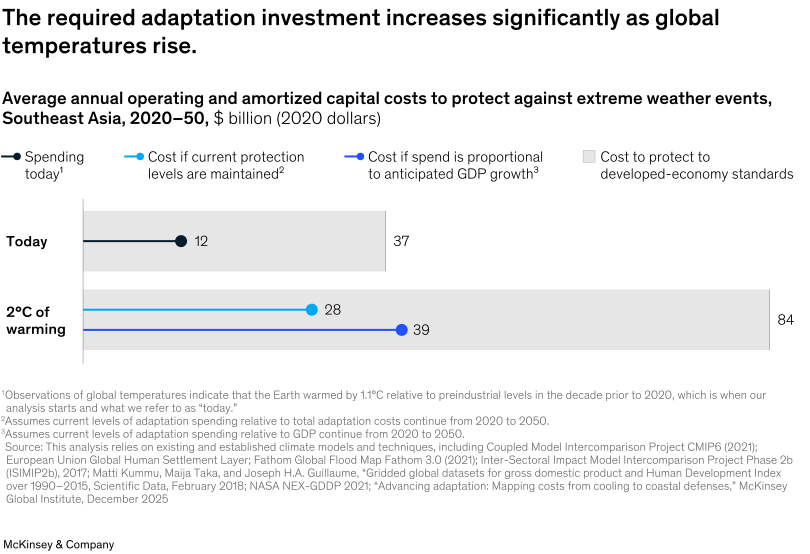
Southeast Asia currently invests about $12 billion a year in capital and operating expenses across 20 adaptation measures (see sidebar “Our methodology”).3 But to adapt to standards typically established in developed economies in all places exposed to extreme weather events today, Southeast Asia would require total annual spending of about $37 billion. By 2050, when current emissions trajectories suggest the world will warm by 2°C compared with preindustrial levels, the impacts of climate hazards will be more extensive in reach and greater in impact, raising the investment needed to protect to developed-economy standards to about $84 billion a year.4
The payoff of this investment could be high. More than 80 percent of adaptation spending needed to bring protection in the region to developed-economy standards could go toward measures with a benefit-to-cost ratio greater than 3:1.5 With much of the region’s future infrastructure, housing, and industrial capacity still to be built, Southeast Asia has a window to embed resilience into this growth to protect the region from climate hazards and support long-term economic development.
Drawing on McKinsey Global Institute research, this article examines the region’s exposure to climate-related hazards today and by 2050, the size of the adaptation gap and the cost of closing it, and the actions businesses, financial institutions, and governments can take to make adaptation more embedded, investable, and scalable.
Southeast Asia is exposed to a wide range of climate hazards
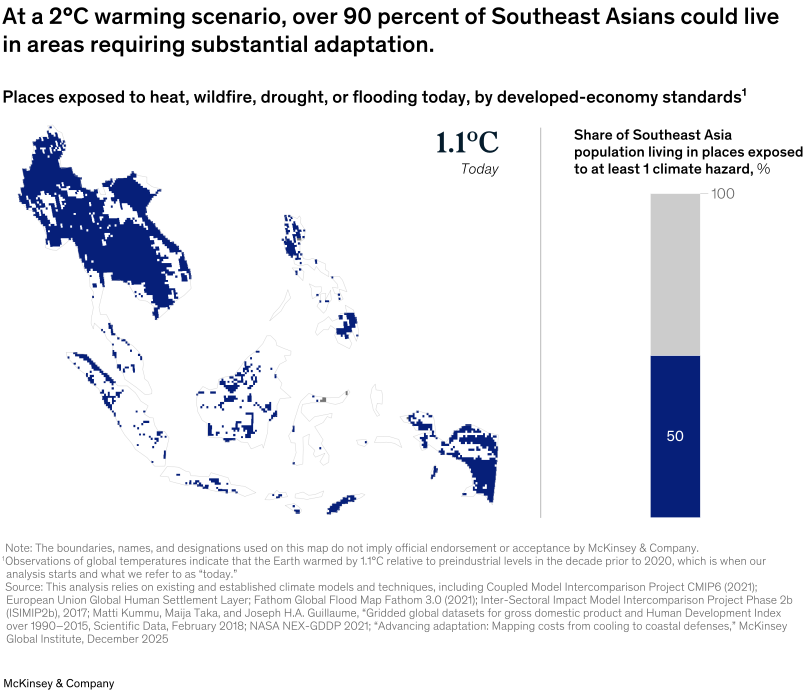
Today, about 46 percent of Southeast Asia’s land area—and approximately half its population—is exposed to at least one major climate hazard: severe heat, destructive wildfires, prolonged drought, or intense flooding (Exhibit 1).
Approximately 23 percent of the Southeast Asian population live in places that are currently exposed to significant heat stress, and about 21 percent are exposed to riverine flooding. Coastal flooding is another concern: Around 3 percent of the population—double the global average—faces exposure to flood risk due to the region’s long coastlines and numerous archipelagos.
Southeast Asia is particularly vulnerable to these hazards because many of its economies rely heavily on outdoor work. For example, agriculture, a sector where output and productivity are directly affected by climate hazards, accounts for 8 to 15 percent of the economy in Cambodia, Indonesia, and Thailand, compared with the global average of 4 percent.6 Southeast Asia also has a high proportion of informal workers, relies significantly on coastal tourism, and faces broader infrastructure deficits, including gaps in transport, power, water, sanitation, health systems, and housing that increase its vulnerability to climate hazards (see sidebar “One region, many realities”).7
A resilience gap remains, despite current spending on adaptation
The region has a long history of adaptation, with communities developing climate-resilient solutions such as stilt housing and passive cooling designs to manage the effects of flooding and heat. More than 1,000 years ago, for instance, Bali developed the cooperative, sustainable Subak system of rice cultivation to protect against drought.8 Modern examples include Bangkok’s Chulalongkorn University Centenary Park, designed to absorb and retain floodwater in a densely populated urban area, but such projects remain exceptions in today’s Southeast Asia.9
Today, a range of proven, cost-effective adaptation measures exists to manage the impacts of these hazards and are implemented in Southeast Asia. All told, we estimate that individuals, companies, and governments across Southeast Asia spend approximately $12 billion on amortized capital and operating expenses each year on the 20 adaptation measures we assessed. Our research shows that the bulk of this—approximately $8.6 billion—goes toward heat protection, and about $2.2 billion toward flood protection.
Even so, protection levels across the region remain below the standards typically established in developed economies today—standards that are not always fully met, even in wealthy urban areas. Outside of Singapore, only about 20 percent of people in Southeast Asia have access to air conditioning, limiting their ability to respond to heat stress. Additionally, less than 15 percent of flood-exposed coastlines are adequately protected against coastal flooding, compared with around 25 percent globally. This leaves critical infrastructure and communities exposed, particularly on low-lying islands in countries such as Indonesia and the Philippines.
To protect Southeast Asia today to the adaptation standards of developed economies across the 20 measures we examined, the region would need an additional investment of approximately $25 billion per year, bringing the total annual investment to $37 billion. Many factors could explain the spending shortfall today despite the existence of viable adaptation measures, from misaligned incentives and competing fiscal priorities to gaps in data and access to finance. These barriers are explored in detail later in this article.
Going forward, the cost of adapting to developed-economy standards will increase
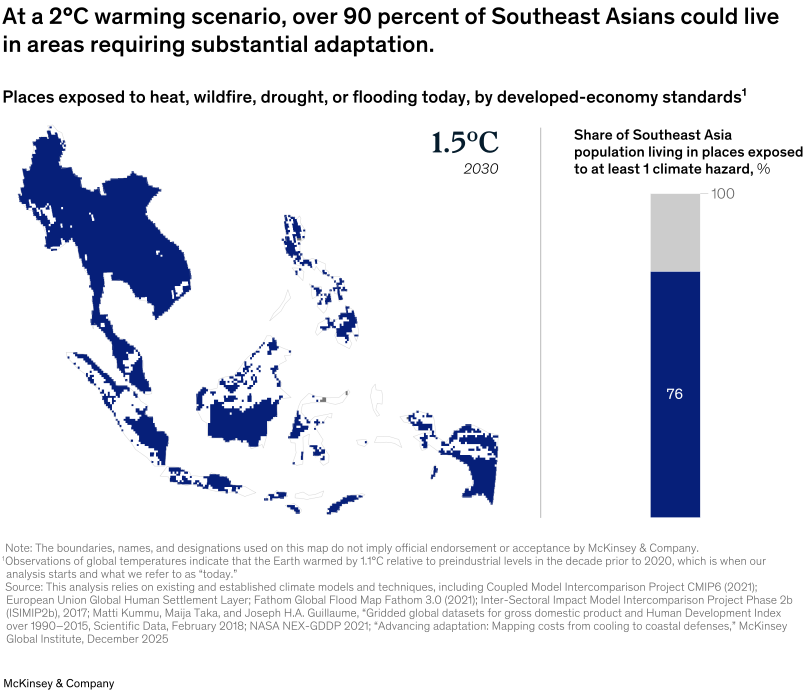
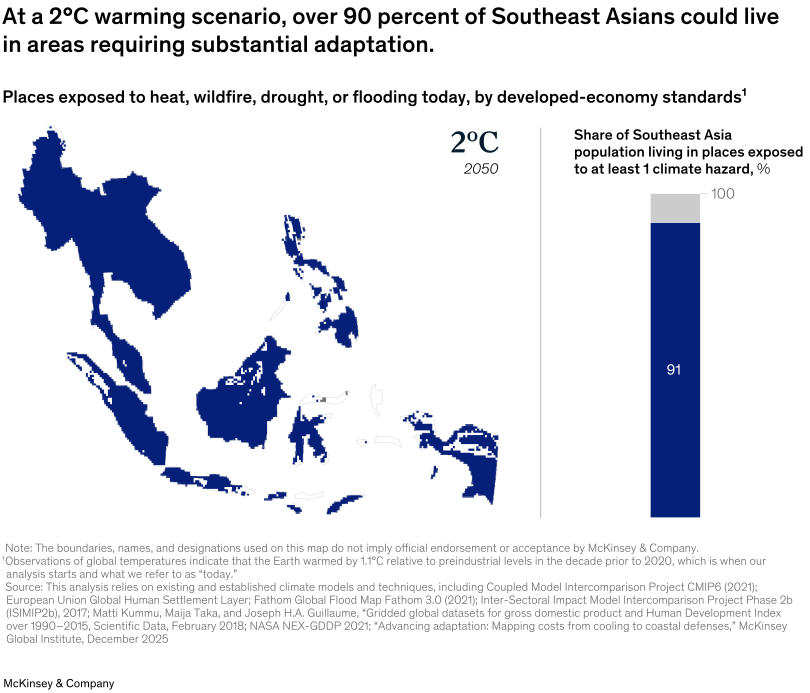
A changing climate will intensify the reach and severity of hazards. On current emissions trajectories, global warming is expected to reach 1.5°C by 2030 and 2°C by 2050 (Exhibit 2). Even as Southeast Asia pursues its own decarbonization efforts, warming is shaped by the emissions decisions of all countries, making adaptation a prudent course of action for the region, given uncertainty about the extent to which global mitigation efforts will limit future climate hazards. Additionally, since some adaptation measures take more than a decade to implement, early assessment of future adaptation needs is important, even as emissions reduction efforts continue (see sidebar “Adaptation in the context of other spending priorities”).10
Southeast Asia may experience the effects of further warming more acutely than some other regions globally. By 2050, about 91 percent of the Southeast Asian population could experience one or more climate hazards, compared with 50 percent today. For example, because it is already hot and humid, even small temperature increases can push conditions beyond thresholds for tolerable or productive work. Heat exposure is expected to increase the most, with heat stress affecting roughly half of the population by 2050, compared with about 23 percent today, and heat wave exposure rising from roughly 16 percent to more than 80 percent. Drought exposure is also projected to double.
In addition to growing exposure, many places are expected to experience more severe and, in some cases, more frequent hazards in the future, impacting adaptation costs. For example, at 2°C of warming, the global average duration of heat stress in places currently exposed to it could increase from less than 12 weeks on average to about 16 weeks. This, in turn, would increase demand for electricity for cooling and raise operating costs.
As hazards expand or become more severe, adaptation costs will rise accordingly. If the 20 adaptation measures were implemented in a physically feasible and cost-effective way, achieving the adaptation standards of developed economies by 2050 would require investments of approximately $84 billion annually across Southeast Asia.11 Even just maintaining today’s protection levels in a 2°C world would require annual spending to rise to about $28 billion.12
About 80 percent of future spending is expected to go toward heat and drought protection. Cooling solutions such as air conditioning, urban trees, and white roofs are expected to account for about 70 percent of the total adaptation cost in the region (Exhibit 3).
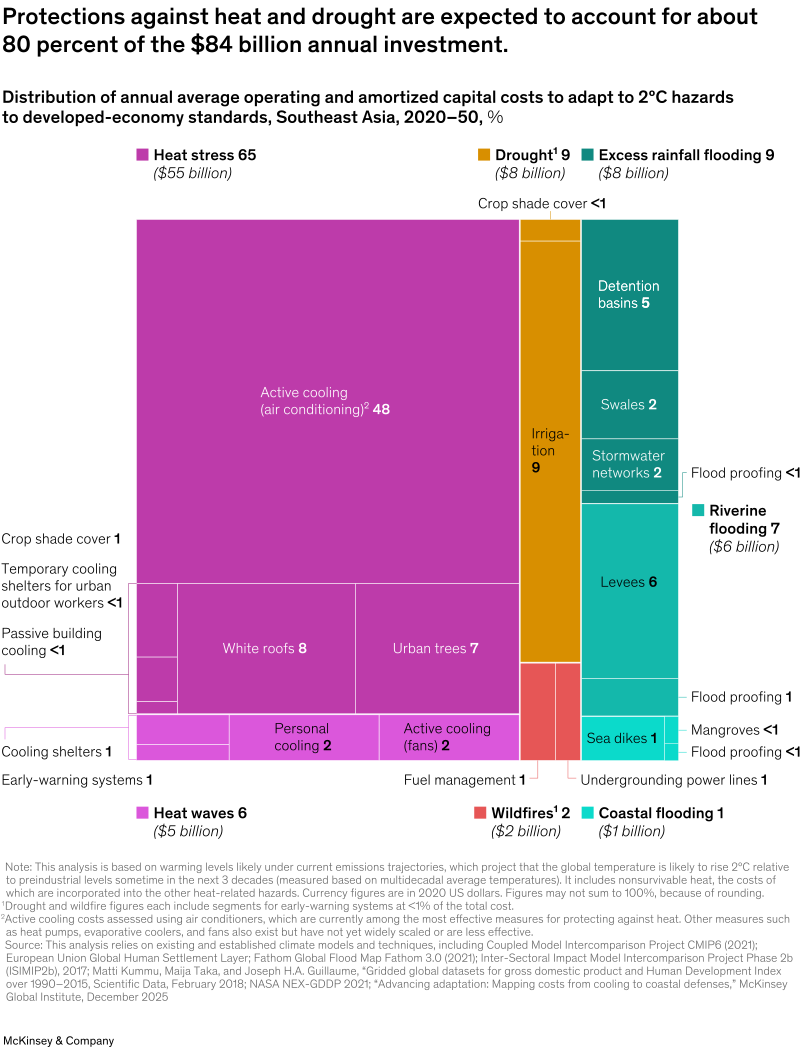
For context, this $84 billion represents about 7 percent of the estimated annual global adaptation costs by 2050—about $1.2 trillion—and amounts to about 1 percent of the region’s GDP by then. In developed regions such as Advanced Asia, Europe, and North America, this ranges from about 0.3 to 0.5 percent of GDP by 2050.13
Economic growth across the region could increase the capacity for adaptation, as more people would be able to afford air conditioning and richer cities would build more robust flood protection. But economic growth alone is likely to be insufficient. Even if adaptation spending grew in line with GDP, only about 46 percent of the future investment needs—about $39 billion—would be covered (Exhibit 4).
More broadly, a two-way relationship exists between economic development and adaptation. Economic development can support adaptation through improving the ability to finance resilience. Embedding resilience considerations into development actions could ensure that infrastructure, housing, and physical assets continue to function effectively in a future climate.14
But failing to adapt could limit growth, by not safeguarding productivity and not protecting vulnerable communities and industrial assets that are increasingly exposed to climate hazards. Drought or flooding, for example, can reduce agricultural productivity and slow income growth for farmers, dampening economic growth in countries heavily reliant on agriculture.
The benefits from adaptation are real—so too are the obstacles
These investments in adaptation come with real payoffs. Many adaptation measures have strong economic benefits and could become more attractive as warming intensifies.
Efficient, low-emissions cooling, for example, can reduce illness, fatigue, and productivity losses in manufacturing and other indoor industries central to the region’s manufacturing base, reducing healthcare costs in dense cities. Sea dikes, flood detention basins, stormwater networks, and irrigation systems can prevent damage to industrial zones, ports, roads, power systems, and housing, while also reducing supply chain disruptions, protecting agricultural yields and rural livelihoods, and lowering disaster-response and reconstruction costs.
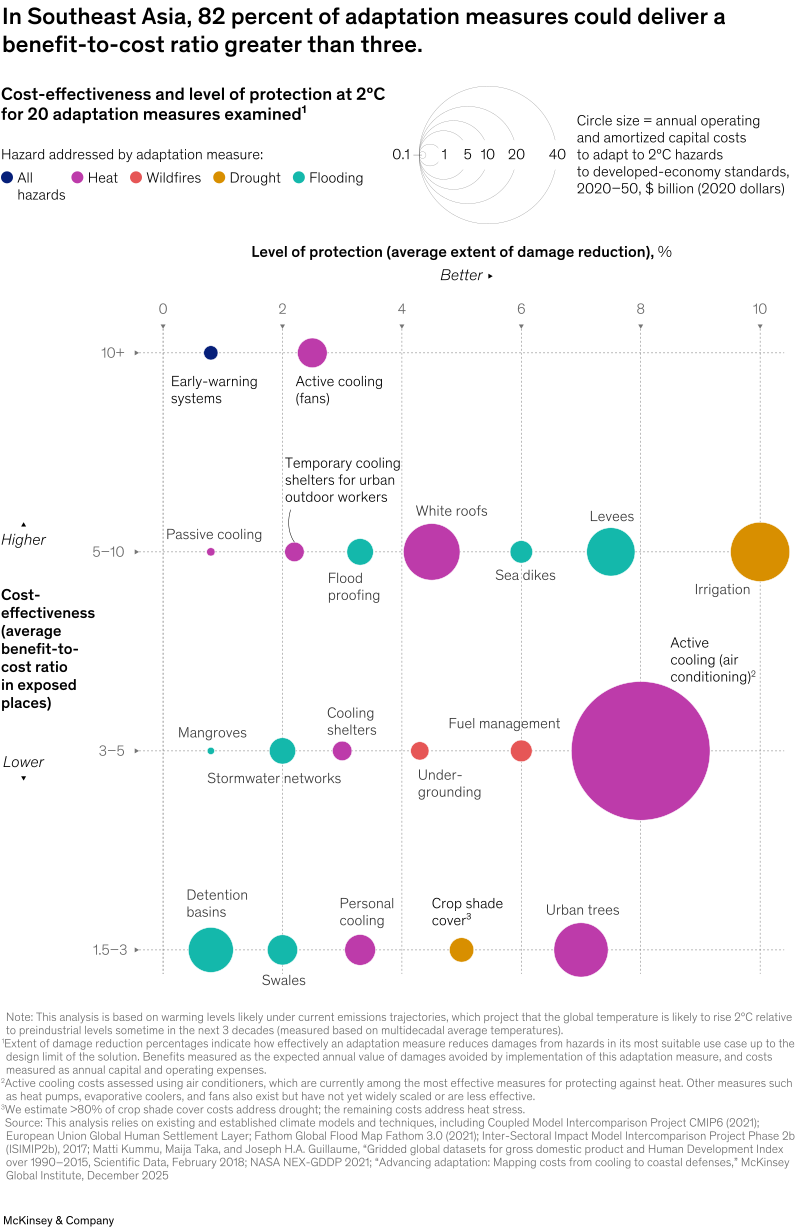
In Southeast Asia, more than 80 percent of adaptation spending would likely go toward measures with benefit-to-cost ratios above 3:1 on average (Exhibit 5). In a 2°C warming scenario, the average ratio across measures could rise to about 7:1.15
Aspects of Southeast Asia make it well placed to act on this opportunity. The region has a rare “build resilience first” opportunity. Unlike economies with more established infrastructure that need to retrofit legacy systems, many Southeast Asian countries are still in a high-build phase. The majority of buildings that will exist in 2050 have not yet been built, and as the region’s energy demand is projected to continue to rise sharply through 2050, more power infrastructure will be needed.16 This creates a narrow but important window to embed resilience into urban planning, building standards, and infrastructure design from the outset.
The region also has strong capabilities to draw on. As a global financial hub, Singapore, for example, has an established financial ecosystem and deep institutional relationships that may help connect capital providers with resilience projects. Its experience in mitigation finance may also offer relevant lessons, including structuring blended finance, developing taxonomies, and coordinating different forms of capital. For example, the FAST-P blended finance facility and the Monetary Authority of Singapore’s sustainable finance taxonomy could provide useful models for channeling more capital toward adaptation and resilience projects across Southeast Asia.17
Yet even with clear benefits, adaptation investment remains insufficient. Like many parts of the world, Southeast Asia faces structural barriers that make adaptation difficult to finance, govern, and deliver.
- Capacity to pay can be limited. Governments, businesses, and households face competing demands for investment, including development priorities, energy security, and immediate daily needs, limiting the investment that can go to adaptation measures. Southeast Asia spends about $18 per capita per year on adaptation, but to match developed-economy standards, roughly $56 per person would be needed today and $105 per person by 2050. In countries such as Indonesia and the Philippines, this amount represents close to 40 percent of the current average monthly income, limiting the ability to fund adaptation at scale.18
- Incentives are often misaligned, and benefits can be difficult to perceive. Those who pay for adaptation do not always capture the benefits directly, while many adaptation measures create value through avoided losses that materialize only when hazards occur, making their returns inherently uncertain. These challenges are not unique to the region. For example, governments may use broad taxpayer funding to finance coastal and flood protection, even though benefits are concentrated in specific exposed communities and economic zones. Because these benefits become apparent only after major events have occurred, they can be hard to perceive and prioritize in advance.
- Rapid urbanization and institutional gaps slow adoption. The presence and enforcement of building codes, zoning rules, and urban planning standards is often low, reducing the uptake of adaptation measures. In rapidly growing cities such as Manila, informal development often bypasses flood zoning, insulation, cool roofs, or efficient cooling design, making it harder to implement and scale these measures systematically.
- Implementation is difficult in the region because of its geography. Like many regions with dispersed geographies, Southeast Asia faces implementation challenges, including increased delivery costs, fragmented supply chains, and the need for more location-specific measures.
Adaptation needs to become more embedded, investable, and scalable
There is a significant adaptation gap today and a rising need going forward. Closing the gap will require three shifts: Adaptation must become more embedded into development, more investable with innovative financing and cost-sharing mechanisms, and more scalable with approaches that can be repeated across the region’s diverse geographies.
Embedding adaptation into development
Adaptation needs to be built more systematically into the infrastructure development process. Integrating climate hazards into building codes, zoning rules, urban planning standards, and land use approvals could make adaptation easier to build into all future infrastructure projects. In Southeast Asia, where cities are growing rapidly and institutional contexts vary widely, this will require flexible approaches that work across different governance settings. The Bangkok Comprehensive Plan, which sets out planning and design guidelines for land use zoning, transportation, open spaces, public utilities, water, and environment and natural resources, offers one example of how climate risk can be woven into urban development frameworks.19
Embedding adaptation requires expanding access to reliable, actionable, forward-looking climate-risk information that can inform site selection, design, valuation, retrofits, and long-term planning. Singapore’s V3 Climate Projections, for instance, provides a model for how shared, high-quality data can support climate adaptation planning.20
Making adaptation investable
For adaptation to become more investable, the region needs a stronger pipeline of bankable projects. Shared project-preparation facilities and technical assistance platforms can help cities, utilities, and public agencies develop adaptation projects to a standard that attracts financing. Regional platforms such as the ASEAN Catalytic Green Finance Facility and the Asian Development Bank’s (ADB’s) Southeast Asia Facility for Resilient Cities already provide models for what adaptation investment could look like in practice.21
Adaptation will also need to become more affordable. Meeting the standards of developed economies could cost close to half of one month's average income in some parts of Southeast Asia. To reduce these costs, innovation will be needed to make measures cheaper and more effective. Costs could also fall if solutions are standardized and deployed at scale or implemented proactively rather than through more expensive retrofits. Lowering financing costs will matter too, particularly for measures with high upfront capital needs.
Investor confidence depends on greater policy predictability. Clearer adaptation priorities, standardized taxonomies, transparent procurement processes, and derisking tools could make it easier for private capital to invest, across a region where institutional settings vary considerably.
A central challenge is that the benefits of adaptation tend to take the form of avoided losses, which makes adaptation harder to finance. Addressing this requires appropriate financing mechanisms—including those needed to bring in private capital—that translate avoided losses into financial flows and share costs across those who benefit. Examples include outcome-based financing tied to avoided damages, resilience bonds, and land-value capture mechanisms.
Scaling up and replicating
Replicability can help extend the reach of adaptation. Common design standards, procurement templates, and financing structures could make it easier to repeat successful approaches across similar contexts rather than rebuilding from scratch each time. Coordination structures such as regional platforms, national task forces, city-level delivery offices, and regional finance facilities could support scaled adaptation delivery.
Aggregation matters too: Pooling smaller projects, technical support, and funding requirements allows adaptation to move beyond subscale, one-off implementation, especially in dispersed and archipelagic settings. For example, ADB’s Southeast Asia Facility for Resilient Cities helps build a scalable investment pipeline by supporting governments and cities with project preparation, feasibility studies, policy advice, and capacity-building for urban resilience and water-sector investments.22
Finally, execution matters as much as design. When resources are constrained, measures with high benefit-to-cost ratios—such as early-warning systems, cooling shelters, and resilience upgrades integrated into routine infrastructure renewal—should be prioritized. Sharing proven delivery models and implementation lessons across cities and countries can also help reduce cost overruns and speed up deployment.
Businesses, financial institutions, and governments each have a role to play
These system-level changes will require coordinated action across businesses, financial institutions, and governments. Each has a different role in addressing structural barriers and turning ambition into scaled delivery.
Businesses: Embedding adaptation into operations and contributing to broader resilience efforts
Many of Southeast Asia’s most productive sectors, including manufacturing, agriculture, tourism, and logistics, depend on workers, sites, and supply chains that are already exposed to climate hazards, especially heat and flooding.23 Measures to mitigate these include:
- Companies can manage direct or indirect exposures in their operations, supply chains, or distribution channels. Building resilience into site selection, factory design, sourcing, logistics, and expenditure decisions can reduce disruption and protect productivity, especially in flood-prone industrial corridors and coastal trade hubs. At the site level, practical measures such as cooling and ventilation improvements, water-efficiency upgrades, flood barriers, backup power, and heat-response protocols can protect workers and maintain production continuity. Companies are already adapting operations to rising heat by adjusting work schedules and implementing worker safety protocols.24
- Companies also have opportunities to use their products and services to support the resilience efforts of others. As private actors seek to manage their exposure and governments invest to protect their populations, companies that provide energy-efficient cooling systems, decentralized water purification and desalination systems, irrigation infrastructure, and drought-resistant seeds, for example, have an important role to play in delivering adaptation at scale. Companies’ participation in providing solutions is vital for adaptation. This includes innovation in reducing the costs of adaptation measures and enhancing the efficiency and effectiveness of technologies such as irrigation and air conditioning.
Financial institutions: Translating resilience needs into capital
Financial institutions have a broader role to play than simply providing capital. They can price and transfer risk, structure solutions, act as financial intermediators, and help translate fragmented resilience into different forms of deployable capital:
- Banks can play several distinct roles. They can directly finance adaptation across the value chain, from corporate and project finance for resilience infrastructure to consumer lending and growth equity for adaptation-focused businesses. They can integrate climate risk into lending and underwriting decisions, price physical risk more explicitly, and offer advantaged terms where investments demonstrably reduce physical risk. They can structure dedicated financing solutions, including by acting as bookmakers for adaptation-related bonds and structuring blended-finance vehicles where markets are not yet fully commercial. Partnerships and broader institutional ecosystems can be fostered by building coordinated go-to-market solutions with insurers, engineering firms, governments, and philanthropies to scale adaptation offerings.
- Insurers can make the value of resilience more visible by reflecting physical risk more explicitly in premiums, coverage terms, and underwriting, and incentivizing adaptation by offering premium discounts and advantaged terms and conditions when adaptation occurs. They also play a role in helping households, companies, and governments manage the financial burden of climate risk when they choose to bear some or all of it. Beyond traditional property coverage, products can be offered for emerging risks and help narrow protection gaps through mechanisms such as parametric insurance, which pays out when a defined trigger event occurs rather than after loss assessment. For example, AXA has launched a Heatwave Parametric Insurance offering for outdoor workers in Hong Kong.25
- Institutional investors and private equity can direct capital into adaptation by investing in dedicated funds, resilience infrastructure, and companies that provide adaptation products and services. They can work with concessional capital providers that offer guarantees, concessional layers, and first-loss tranches to help make adaptation projects more investable. For example, Mandala Capital is raising a $250 million adaptation-focused fund for South and Southeast Asia, anchored by $36 million of Green Climate Fund financing, to invest in advancing climate-resilient agriculture and food systems.26
Governments: Locking in future resilience
Many of the most important adaptation measures, such as coastal protection, stormwater networks, and urban greenery, are under public ownership. Public policy can shape how urban and infrastructure growth takes place and whether it locks in resilience or greater exposure.
Governments have levers that can be used to improve resilience across many fronts:
- Planning and regulation. They can embed and enforce adaptation by integrating flood risk into land-use rules and zoning, incorporating heat projections into building codes, and strengthening worker protection in extreme heat. Some countries are already implementing this. For example, Singapore’s Green Mark prioritizes occupant health and urban heat island (UHI) mitigation. The framework incentivizes cool materials, extensive greenery, and smart technologies to enhance thermal comfort and mitigate UHIs.27 As another example, Singapore has designated 2026 the Year of Climate Adaptation, embedding its national commitment to prioritizing adaptation across heat, coastal and flood, and water and food resilience domains.28
- Public infrastructure. Public infrastructure investment in areas such as coastal defenses, drainage and pumping networks, water storage, and urban cooling, such as shade and cooling shelters, has demonstrated significant benefits in several contexts. Given the long lifetimes of these assets, they are best designed for future climate conditions, through flexible or modular approaches that allow upgrades as risks evolve, and conservative design standards that account for uncertainty. Examples such as Singapore’s coastal protection program and Kuala Lumpur’s SMART tunnel (Stormwater Management and Road Tunnel) demonstrate what sustained public investment can achieve.29
- Regional coordination. Governments can also strengthen regional coordination and data sharing, where a region’s risks need multiparty solutions. For example, water management along the Mekong River cannot be managed within national borders alone. The Mekong River Commission’s Data Portal and Climate Change Atlas, which provides hydrometeorological, water quality, and climate datasets across the Lower Mekong, demonstrates the kind of regional information infrastructure that shared risks demand.30
- Enabling adaptation. Beyond coordination, governments could play an enabling role in supporting adaptation more broadly through subsidies, social protection, and community-level investments that vary widely across contexts.
The economics of adaptation in Southeast Asia are compelling—more than 80 percent of required spending would likely go toward measures that deliver benefits more than three times their cost.
The window to act is open, but it is important to take advantage of it now. Much of the region’s infrastructure, housing, and industrial capacity is yet to be built, creating a rare opportunity to embed resilience from the start rather than retrofit it later.
Ultimately, adaptation is not just about managing risk. It is about safeguarding the productivity, communities, and assets that underpin Southeast Asia’s prosperity, ensuring that the next chapter of growth is built on stable foundations. As climate hazards intensify across the region, embedding resilience may prove to be a no-regret strategy for infrastructure development in the coming decades.
Related Articles
What’s next for climate tech?