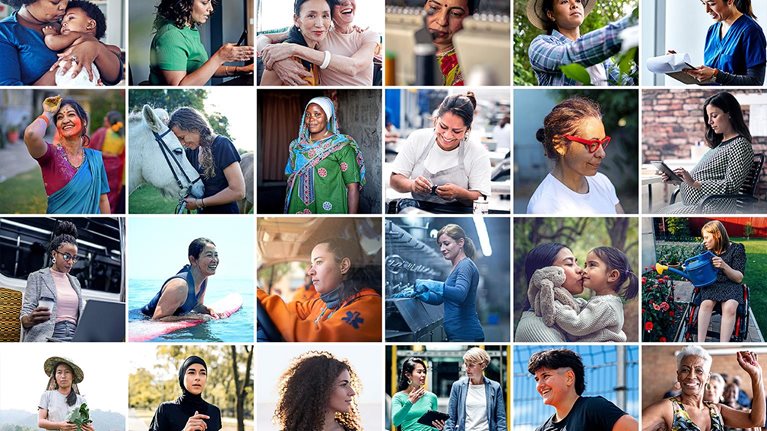
According to the World Health Organization, health equity is defined as the absence of unfair and avoidable or remediable differences in health among population groups.1 Today, many individuals and communities do not have this opportunity because of bias and systemic barriers with regards to gender, race, education, socioeconomic status, geographical location, disability status and other structural factors.
Addressing inequities in health and healthcare benefits all of society. Reducing gaps in access and quality of care for women, for example, improves health outcomes for infants, as well. Reducing health inequity across social groups strengthens healthcare systems and contributes to economic growth2 and will require a comprehensive and multi-faceted approach.
The McKinsey Health Institute (MHI) believes that investing in health equity involves focused and targeted efforts on a variety of topics, including Women's Health and Youth Health, and closing the disability health-data gap, which are essential to building healthier societies. We work with a global ecosystem to catalyze change by generating actionable insights, convening partners across sectors, and advancing scalable solutions.