In the second quarter of 2026, consumers in Australia, China, India, Japan, and South Korea reported diverging economic outlooks and increasingly selective spending intentions. Across markets, inflation remained the most frequently cited concern, though other top concerns varied by country. Consumers in China were more likely than those in other Asia–Pacific (APAC) markets to report concerns about job security, for instance, while Japan and South Korea saw sharp increases in concerns about international conflicts. These shifts coincided with weaker spending intent across several discretionary categories.
We also asked consumers across the APAC region about their gen AI use. Most said they are using this nascent technology in the earliest stages of the consumer purchase journey—to learn about products and to compare options, for example—and they are doing so across a range of categories.
The following charts present insights from our latest ConsumerWise research, exploring how consumers across APAC felt about economic conditions in their respective countries and their own financial outlook in the second quarter of 2026. (Although each chart shows data from all surveyed countries, the accompanying text spotlights key findings from one country at a time.)
The share of consumers in South Korea who reported feeling optimistic about the economy increased to 31 percent in the second quarter of 2026, up from 28 percent in the previous quarter. This coincided with greater political stability in the country, strong performance in South Korean equity markets, rising inbound tourism supported by favorable exchange rates and continued global interest in Korean culture, and new government support measures aimed at lower- and middle-income households. Even so, a smaller share of consumers in South Korea were optimistic compared with consumers in China and India. Inflation continued to be a top-of-mind issue: 62 percent of consumers in South Korea cited rising prices as a top concern in the second quarter, up from 60 percent in the previous quarter. Concerns about international conflicts also increased sharply, rising to 37 percent from 18 percent in the previous quarter.
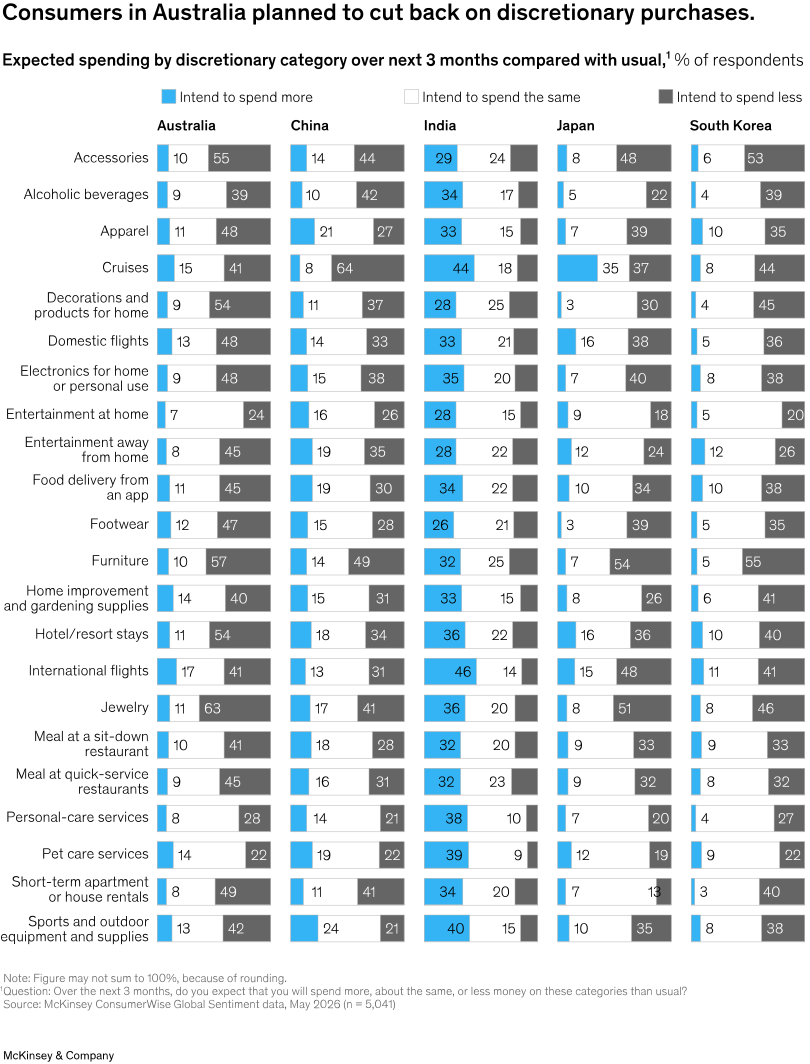
Spending intent reflected these shifts. Net intent to spend1 on several discretionary categories, including cruises and home improvement items, declined from the previous quarter. However, net intent to spend on two discretionary categories—entertainment away from home and jewelry—rose from last quarter. This could be a reflection of income inequality in South Korea becoming more apparent: Higher-income consumers may be more willing to spend on luxury goods, while lower-income consumers are struggling to purchase staples.2
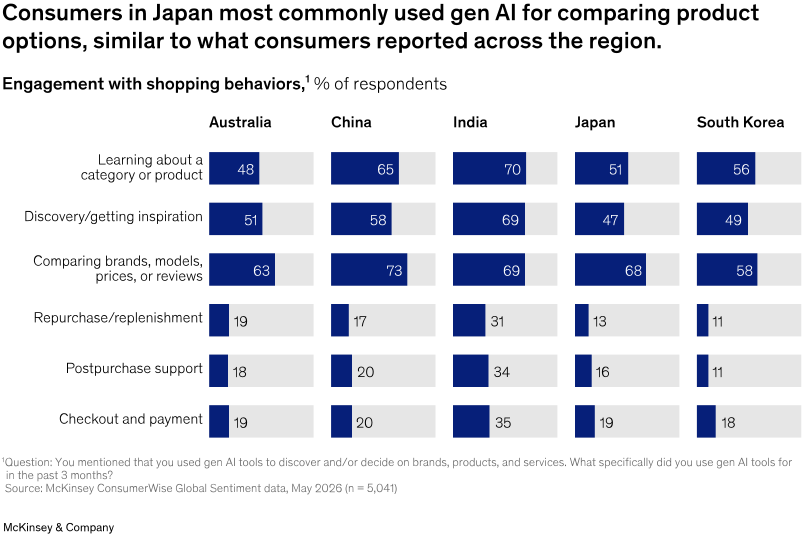
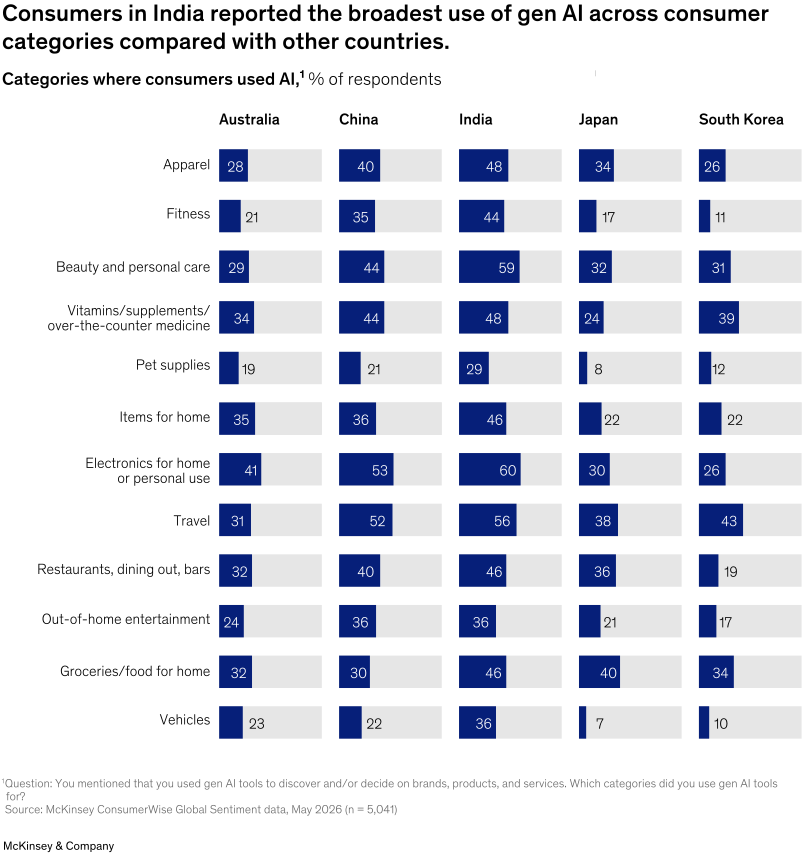
Among consumers in South Korea who use gen AI tools to inform purchasing decisions, the most common use cases were comparing options (58 percent), learning about products (56 percent), and discovering brands (49 percent). Consumers reported using gen AI most often when shopping for travel, vitamins and supplements, and groceries and household essentials.
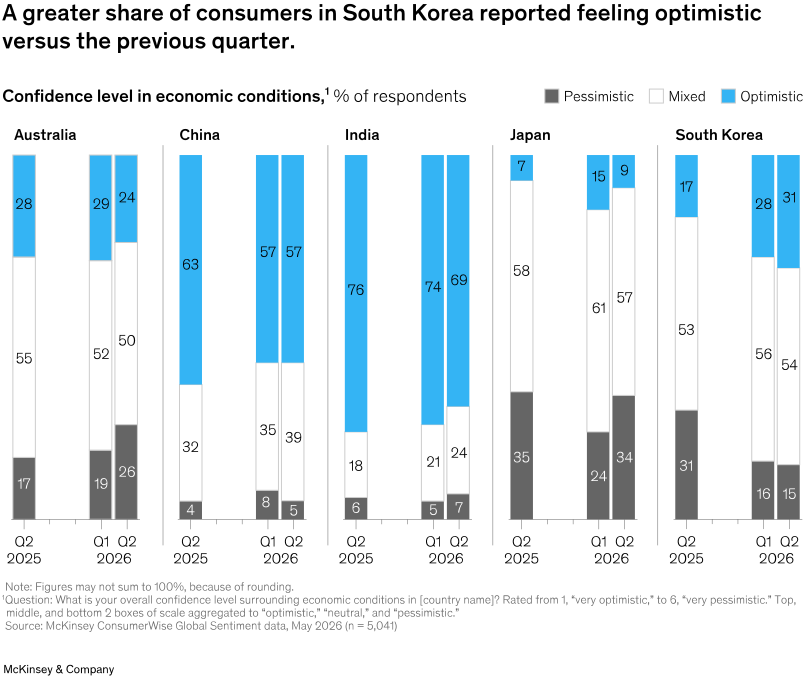
Consumers in China continued to report relatively high levels of economic optimism compared with other APAC markets (57 percent of consumers described themselves as optimistic in the second quarter of 2026). Even so, employment concerns became more prominent. A greater share of consumers in China than in other countries identified job security as their leading concern, though inflation remained the most frequently cited concern overall. Job security was of particular concern among China’s Gen Z consumers: 59 percent reported being worried about it, compared with 51 percent of Chinese consumers overall, reflecting difficulty in the job market for younger workers.
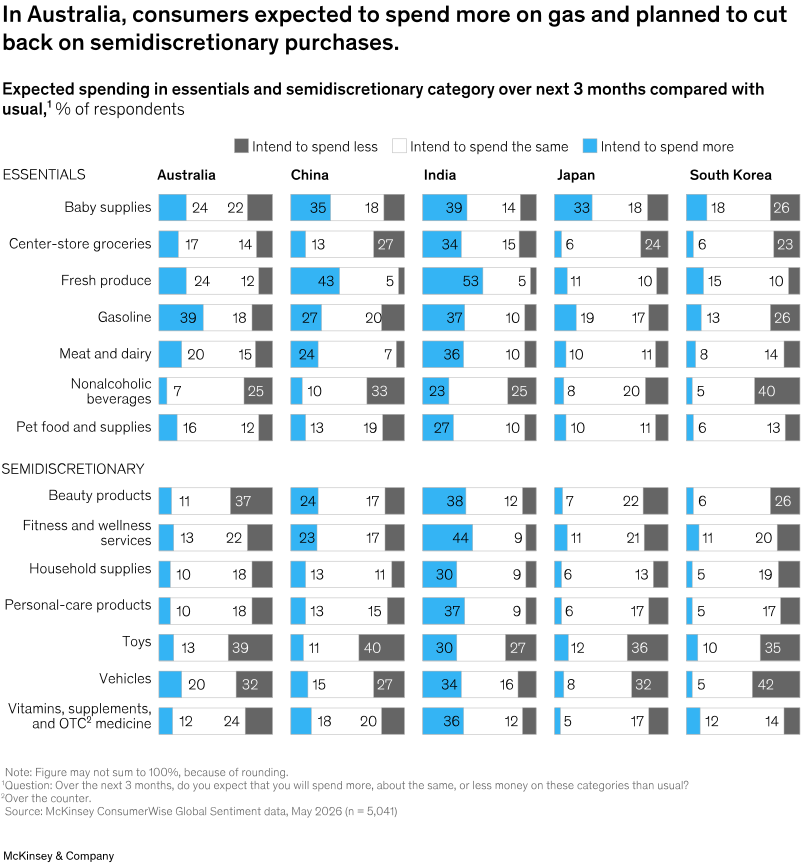
Consumers in China remained selective in how they planned to spend. Within essentials, a greater share of consumers reported plans to reduce spending on shelf-stable groceries and nonalcoholic beverages versus the previous quarter. Within semidiscretionary categories, vehicles and beauty products were among the few areas where net intent to spend increased from the previous quarter. Meanwhile, consumers in China reported negative net intent to spend across several discretionary categories, including cruises, jewelry, hotel stays, and alcoholic beverages.
More than half of consumers in China reported using gen AI for the earlier stages of the consumer purchase journey. A much smaller share reported using gen AI for checkout-related activities (20 percent).
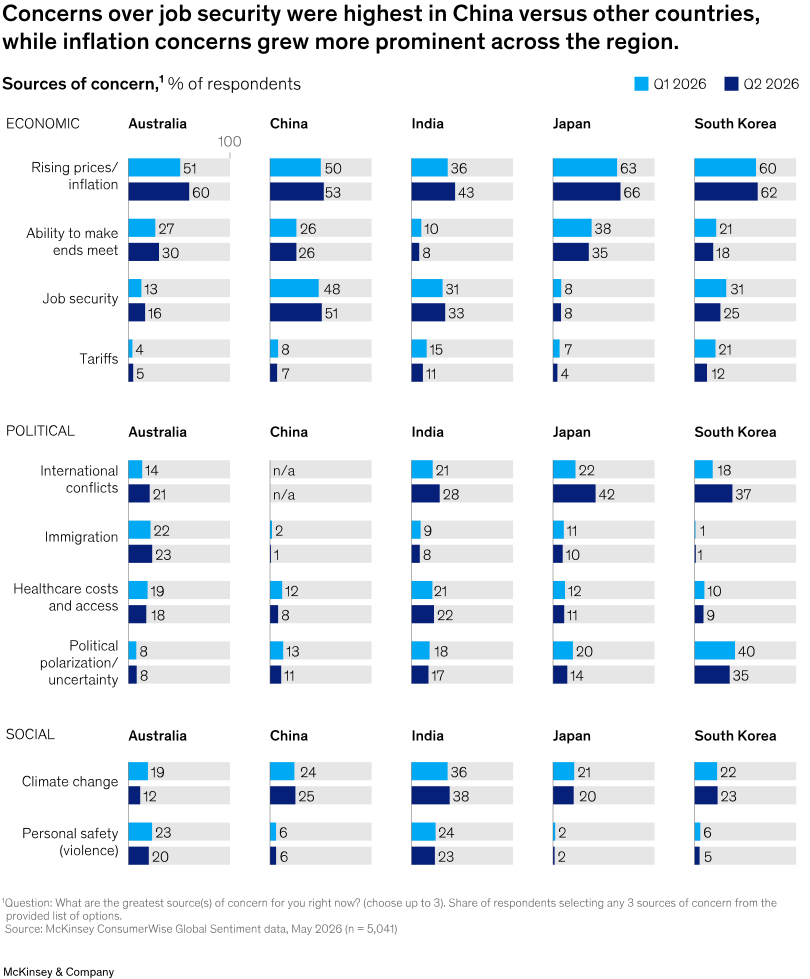
Australia saw one of the sharpest drops in consumer sentiment across the region. The share of consumers reporting optimism fell from 29 percent in the first quarter of 2026 to 24 percent in the second quarter, while the share reporting pessimism increased to 26 percent, from 19 percent, over the same period. Persistent inflation pressures and expectations of additional interest rate increases in Australia were prevalent. As such, inflation remained the dominant economic concern, though concern about international conflicts rose the most (up seven percentage points to 21 percent).
That pressure translated into broad-based spending restraint. Consumers in Australia reported some of the weakest semidiscretionary and discretionary spending intentions in APAC, particularly across apparel, restaurants, travel, home furnishings, and entertainment. At the same time, they reported the highest net intent in the region to spend on gasoline over the next three months. Rising spending on gasoline may be squeezing discretionary budgets.
Consumers in Australia reported using gen AI most often for comparing options (63 percent), discovering brands or products (51 percent), and learning about products (48 percent). A smaller share of consumers reported using gen AI for repurchase and replenishment, postpurchase support, and checkout and payment. Consumers in Australia most frequently reported using gen AI in categories including electronics for home or personal use, items for the home, vitamins and supplements, groceries and household essentials, and restaurants and dining out.
Only 9 percent of consumers in Japan described themselves as optimistic in the second quarter of 2026, the smallest share of any region surveyed. The share reporting pessimism in this country grew ten percentage points to 34 percent of consumers. Inflation remained the leading concern among consumers in Japan, while concern about international conflicts increased the most of any issue measured across countries (up 20 percentage points to 42 percent).
Net intent to spend on gasoline increased by 14 percentage points from the previous quarter, in line with what other consumers globally have reported, given higher gas prices. Overall, consumers in Japan continued to report negative net intent to spend across several discretionary categories.
Among consumers in Japan who used gen AI tools to inform purchasing decisions, comparing options (68 percent), learning about products (51 percent), and discovering brands or products (47 percent) were the most common reported uses. They most frequently reported using gen AI when shopping for groceries and household essentials, travel, and restaurants, though their gen AI use spanned fewer categories compared with India and China.
Consumers in India reported the highest levels of economic optimism in APAC. Sixty-nine percent described themselves as optimistic about economic conditions in the second quarter of 2026, though that share declined from 74 percent in the previous quarter. The share citing rising prices and international conflicts as top concerns increased quarter over quarter. And consumers in India were more likely than those in other countries to report climate change concerns.
Despite their relatively high levels of optimism, their spending plans remain conservative. Consumers in India reported plans to cut back across some essential categories, most semidiscretionary categories, and all but five discretionary categories (pet care services, short-term apartment or house rentals, home improvement and gardening supplies, personal-care services, and entertainment at home).
Consumers in India also reported the highest levels of gen AI engagement across much of the purchase journey. This may reflect the country’s large base of digitally connected younger consumers and their rapid adoption of gen AI tools. Similar to patterns seen elsewhere in APAC, the most common reported uses were learning about products (70 percent), comparing options (69 percent), and discovering brands or products (69 percent), Consumers in India, however, reported higher use of gen AI for checkout and payment, postpurchase support, and replenishment than consumers in other APAC markets. Gen AI usage in India spanned both discretionary and everyday categories, including electronics, travel, beauty products, groceries and household essentials, and restaurants.
Across APAC, a greater share of consumers reported concerns about inflation, job security, and international conflicts in the second quarter of 2026 than in the prior quarter. Those concerns coincided with weaker discretionary spending intent across several categories, particularly in Australia, Japan, and South Korea. For consumer companies, these findings reinforce the importance of clear value propositions, sharp pricing strategies, and targeted category investments as consumers continue to reassess where they are willing to spend.
Furthermore, as gen AI adoption grows, consumers may increasingly evaluate brands before ever reaching a retailer site. Brands and products that are easier to discover, understand, and compare through AI-enabled tools may gain an advantage earlier in the decision-making process. Visibility in AI-driven environments will matter more than ever. (We examine these shifts in greater detail in our upcoming State of the Consumer 2026 report).
For more insights and updates on the state of the APAC consumer, visit our ConsumerWise page or contact us.