Enabling people to live healthier for longer is increasingly important, with societies facing demographic shifts. Almost 15 percent of the global population is expected to be 65 or older by 2040, up from 10 percent today. This underscores the imperative to focus not only on extending lifespan but also healthspan, or increasing the number of years people spend in good health, explain Senior Partner Hemant Ahlawat and coauthors. Age-related diseases and conditions account for one-third of the total global burden of disease, or approximately 633 million disability-adjusted life years (DALYs) annually, according to analysis from the McKinsey Health Institute. Reducing this burden by half could prevent early deaths, improve health in later life, and potentially add $2 trillion to the annual GDP through increased workforce participation.
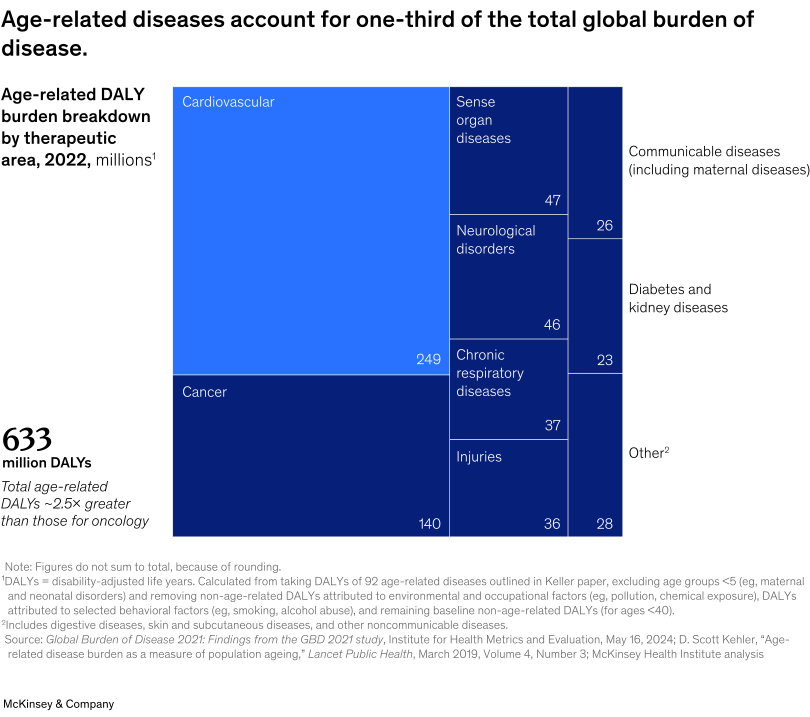
Image description:
A tree map illustrates the age-related disability-adjusted life years (DALYs) burden breakdown by therapeutic area in 2022, measured in millions. The chart is divided into several categories, with cardiovascular diseases accounting for 249 million DALYs, followed by cancer at 149 million. Other significant contributors include sense organ diseases (47 million), neurological disorders (46 million), chronic respiratory diseases (37 million), and injuries (36 million). The total age-related DALYs are approximately 633 million, which is roughly 2.5 times greater than those attributed to oncology. The chart also includes smaller segments for diabetes and kidney disease (23 million), and other diseases (28 million), as well as a separate category for communicable diseases, including maternal conditions (26 million).
Note:
This image description was completed with the assistance of Writer, a gen AI tool.
Source: Global Burden of Disease 2021: Findings from the GBD 2021 study, Institute for Health Metrics and Evaluation, May 16, 2024; D. Scott Kehler, “Age-related disease burden as a measure of population ageing,” Lancet Public Health, March 2019, Volume 4, Number 3; McKinsey Health Institute analysis.
End of image description.
To read the report, see “Healthspan science may enable healthier lives for all,” August 29, 2025.