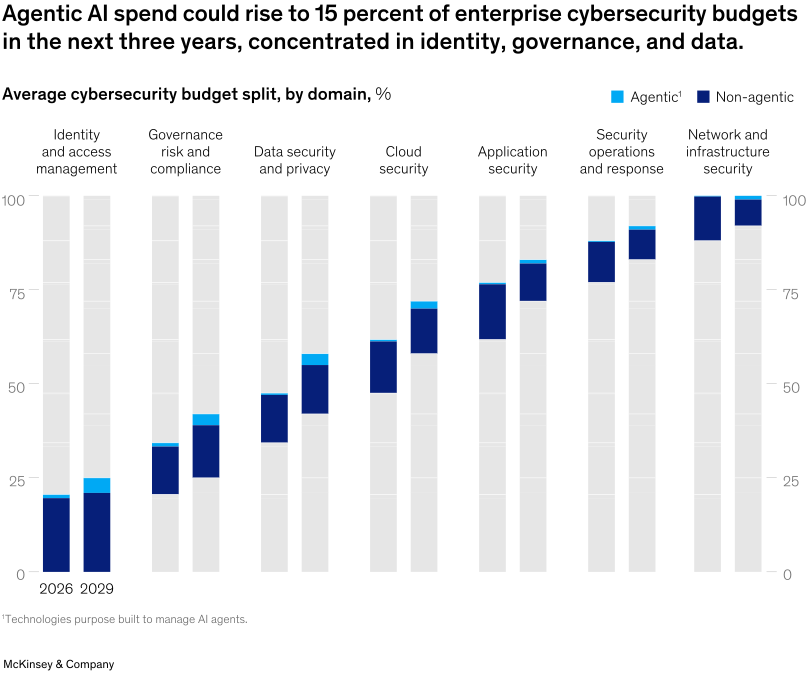
As enterprises embrace AI agents, the surface for potential cyberattacks is expanding. The chief information security officer’s mandate now goes beyond protecting technological infrastructure to ensuring that humans and agents operate safely, predictably, and within policy constraints, say McKinsey Partners Charlie Lewis, Jeffrey Caso, Marc Sorel, and coauthors. Cybersecurity budgets are projected to grow at a CAGR of around 2.5 percent over the next three years. Given the spread and autonomy of agentic AI systems, budgets will likely be reallocated toward platforms that can govern them, with the share spent on agentic solutions expected to more than triple to 15 percent. Spending will shift within existing cybersecurity categories, as identity, detection, and security operations evolve to govern machine activity.
To read the article, see “Securing the agentic enterprise: Opportunities for cybersecurity providers,” March 24, 2026.