Canada has enviable assets—abundant resources, credentialed talent, and access to major markets—yet labour productivity has stagnated. The result is a widening prosperity gap: real GDP per capita has declined, and the gap with the United States is widening (see sidebar “Key definitions”). Over the last few years, more of every paycheck has gone to groceries, rent, and taxes while wages haven’t kept up. In the language of economists, productivity has stalled.
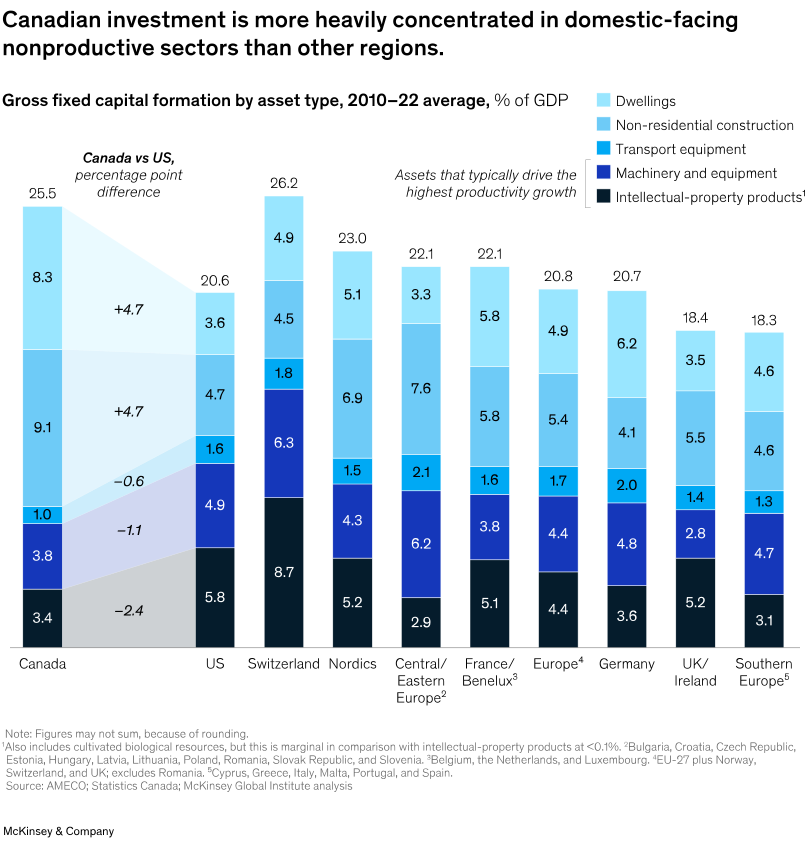
This is not a temporary shock. It reflects more than a decade of investment shifts to lower-productivity, domestically oriented sectors and missed chances to scale exports in resources, services, and advanced industries.
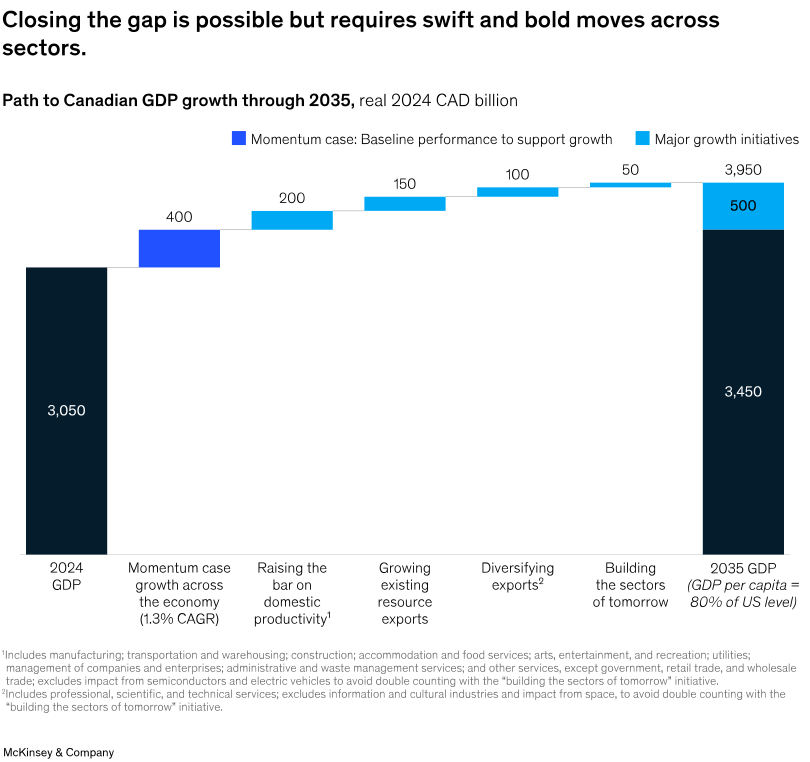
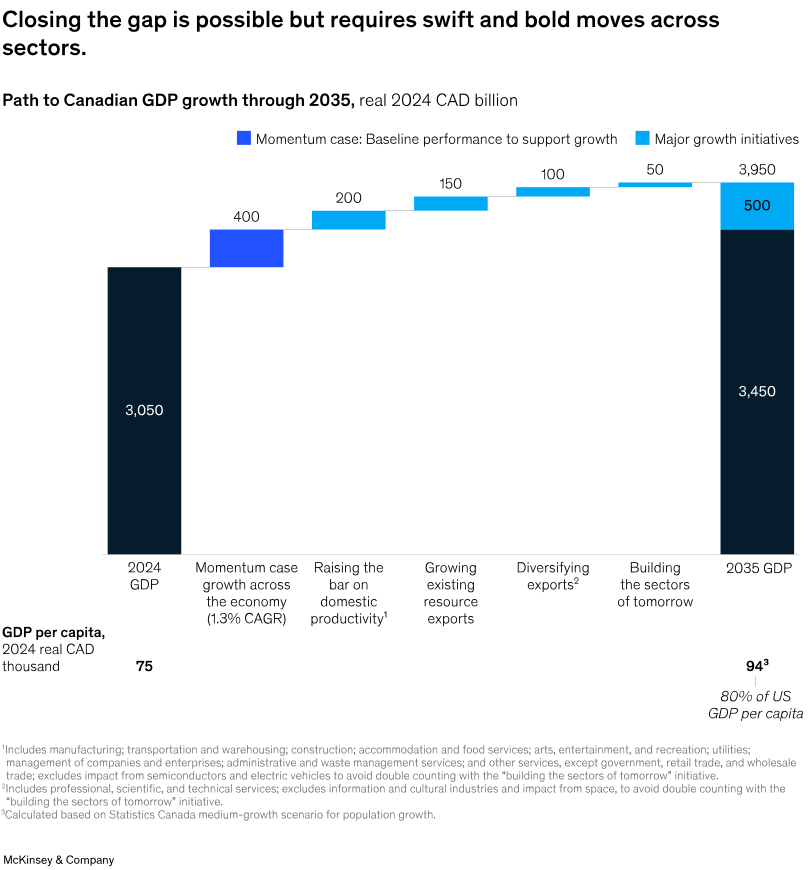
Closing the gap is possible but requires unprecedented pace and bold action. This report maps a potential pathway to achieve roughly 80 percent of US GDP per capita by 2035 (Exhibit 1). Following this path will require bold moves we haven’t seen for decades. To make this actionable, we propose five tests for selecting initiatives that can move national productivity and four focus areas that, while historically ambitious, could put Canada back on track.
We also highlight some key trade-offs that Canadians will have to debate as the country navigates the next decade. While these trade-offs are tough, there is a cost to doing nothing. If the country continues on its current economic trajectory, Canadians of all ages will be worse off in 2035. However, if Canada achieves the GDP gains laid out in this report through growth in existing and new sectors, typical households could be about $16,000 better off by 2035, and young Canadians would have access to high-quality, well-paying jobs.
Canada has what it takes to thrive as an economy
Canada is a place like no other—a nation of privilege, stability, and opportunity. The World Bank ranks Canada 23rd globally on ease of doing business,1 and Transparency International puts Canada in its top 10 percent.2 As a country, Canada is ranked high in terms of quality of life, often in the top five globally,3 with Calgary and Vancouver being among the top ten of the Economist Intelligence Unit’s Global Livability Index,4 which evaluates cities based on criteria such as stability, healthcare, and environment.
Canada enjoys a substantial endowment of resources: oil, natural gas, critical minerals (for example, nickel, lithium, cobalt), timber, and fresh water. With regards to resource reserves, Canada is ranked within the top five globally for potash, gold, oil, uranium, lumber, and fresh water. Market access is strengthened by low trade barriers, three-coast shipping lanes,5 and 15 trade agreements with 51 countries.
Canada also has stable, well-performing pension funds and has ranked first for pension transparency. It has privileged access to billions of private capital, with the second-highest net inflow of foreign direct investment among the G7. However, some of that investment is driven by government support that may not be sustainable in the long term.6
Finally, Canada is home to one of the most educated workforces in the world, with 65 percent of Canadians aged 25 to 64 having completed tertiary education.7 Canada has one of the highest female labour force participation rates in the G7; more than 70 percent of women aged 15 to 64 are employed.8 According to the World Bank, Canada is in the global top five in terms of its human capital, reflecting superior educational opportunities,9 such as those afforded by Canada’s excellent universities, three of which are ranked in the 2025 global top 50 by Times Higher Education.10
But recently, Canada’s economy has fallen behind
Despite these strengths, performance has eroded. While headline GDP continues to grow, real GDP per capita fell 1.3 percent in 2023 and 1.4 percent in 2024 (Exhibit 2). This has left Canada near the bottom of the G7 on a per-person basis.11 Over a longer horizon, labour productivity (GDP per hour worked) has been broadly flat, contributing to a drop in Canada’s productivity rank within the OECD from a top ten position in the early 1980s to the midteens by 2022. Productivity—the value generated per hour—is a key ingredient of a successful national economy. It drives prosperity and resilience at the individual and collective levels. Productivity growth is essential to uphold and improve living standards, national security, social services, healthcare, and environmental standards.12
A comparison of Canada’s productivity and prosperity with those of its closest neighbor, the United States, shows large gaps between the two countries (see sidebar “Why the United States is a relevant benchmark”). Canada’s GDP per capita is now near 75 percent of the US GDP per capita,13 down from about 90 percent in 2010 (Exhibit 3). Labour productivity (GDP per hour worked) is about 30 percent lower than that of the United States (Exhibit 4).14 The Canadian dollar (CAD) averaged roughly 0.71 US dollars (USD) per CAD in the first half of 2025, equal to about 1.41 CAD per USD.15 Median wages in Canada trail US levels by about $7 per hour, even after PPP adjustments.16 General government gross debt was about 107 percent of GDP in 2024, up from 89 percent in 2010, and public debt charges were 8.7 percent of consolidated government spending in 2023, making them a top-five budget item.17
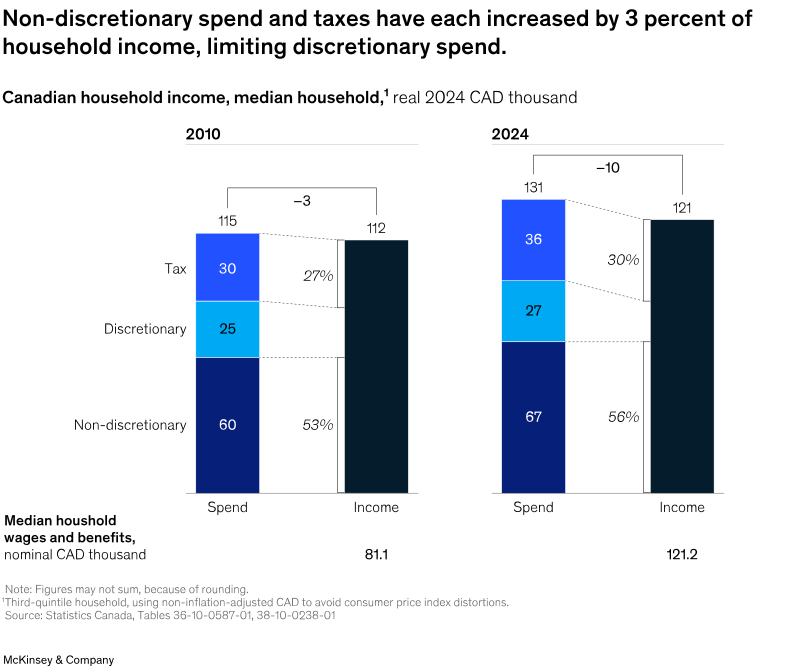
While these numbers may seem abstract, Canadian households are feeling the squeeze. The share of non‑discretionary spend rose from 53 percent in 2010 to 56 percent in 2024, while the discretionary share fell from 20 percent to 14 percent (Exhibit 5). Household credit-market debt reached 174 percent of disposable income in the first quarter of 2025, up from around 165 percent in 2010.18 In addition, in a spring 2024 survey, 45 percent of Canadians reported difficulty meeting day-to-day expenses. As of 2024, top marginal combined federal and provincial tax rates exceed 53.5 percent in Quebec and Nova Scotia, compared with a top rate of around 37 percent for combined federal and state taxes in the United States.19
Canada’s economic decline is rooted in more than external disruptions
So what went wrong? While Canada’s current challenges could be compared with external disruptions, such as the global financial crisis (2007–09) or the COVID-19 pandemic (2020–23), the current trend is more pervasive than the slumps caused by those events. Specifically, there is no clear indication that Canada will bounce back any time soon. This is because the root cause of Canada’s economic woes lies deeper than any external shock, and it’s homemade. It comes down to a fundamental shift in the orientation of the national economy.
For many years, Canada’s GDP growth and prosperity were driven by exports of natural resources, with the United States as the main trading partner. But recently, growth has become more focused on the domestic market, which is quite small (Exhibit 6). Canada is home to only about 0.5 percent of the world’s population, compared with 17.2 percent in China, 5.5 percent in the European Union, and 4.1 percent in the United States.
Not only has Canada seen a reduction of its participation in foreign resource trade, it also has missed out on opportunities to expand its footprint in other sectors that have brought significant growth to similar economies. Examples of such growth sectors include tech, services exports, and advanced manufacturing, among others.
Canada slowed natural resource exports despite increasing global demand
Domestic policy decisions coupled with regulatory uncertainty resulted in declining investment, which inhibited Canada’s ability to participate in the growth of the commodity sector that brought prosperity gains to other countries. Investment in extractive industries declined 15 percent between 2010 and 2023, and numerous Canadian energy projects have been canceled or deferred since 2014 (Exhibit 7). This is cause for concern, as investment drives 80 percent of productivity growth20 and is widely regarded as the best yardstick for a country’s competitiveness on the global stage.
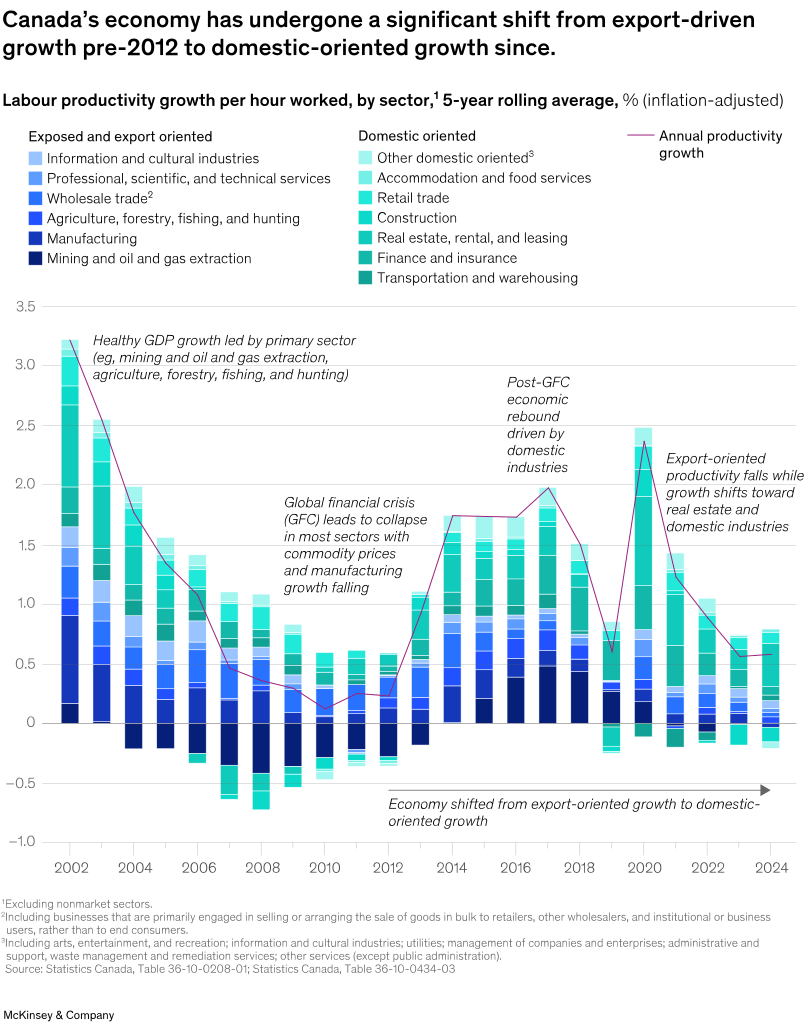
While resource exports declined or stagnated, no other export sector with attractive investment opportunities has filled the gap (Exhibit 8). What investment remained has shifted to domestically oriented industries, predominantly real estate.
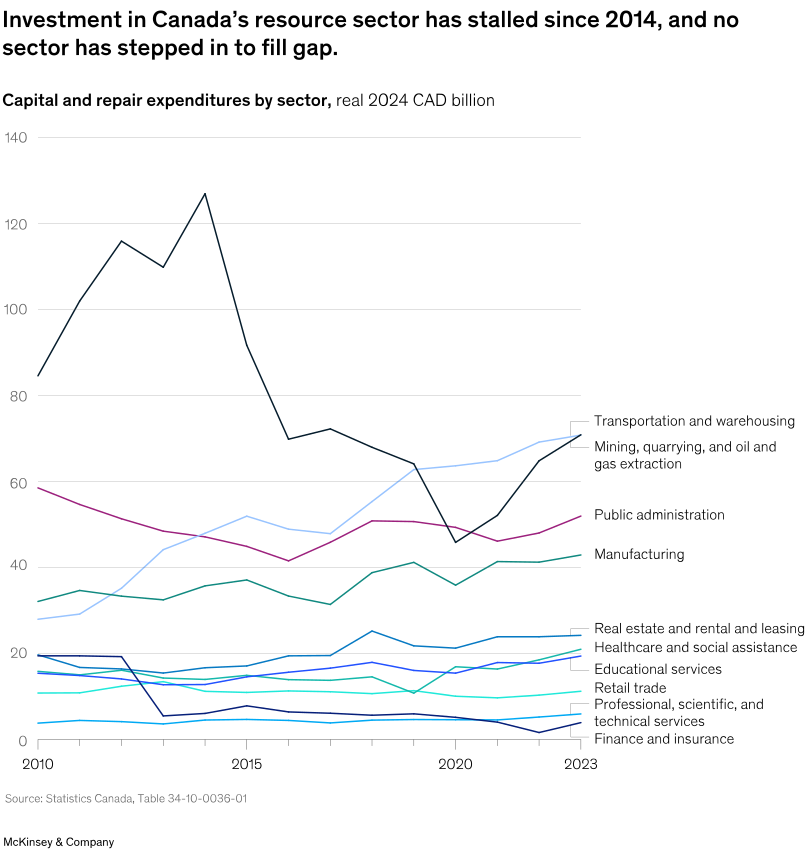
Investment shifted to lower-productivity domestic sectors
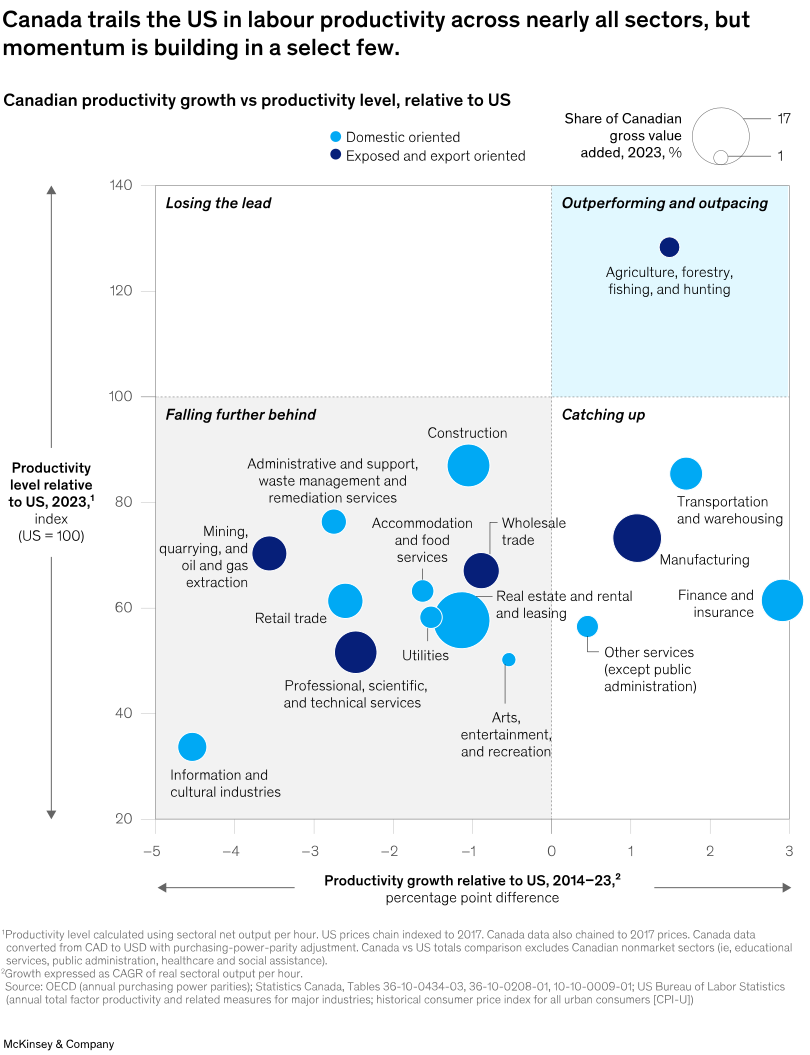
Why is an economy increasingly based on domestically oriented industries a problem for Canada? Because exports brought—and could still bring—high productivity growth, while the domestic sectors Canada is now focusing on yield significantly lower productivity growth, are capped at the size of the domestic market, and provide limited incentives to be more productive. The productivity of the mining, oil, and gas sector grew by about 20 percent between 2014 and 2023, and agriculture productivity increased by about 10 percent (Exhibit 8).21 In contrast, the productivity of the real estate sector stagnated during the same period, and the productivity of construction and utilities saw a 10 percent decline.22
Canada did not materially grow any new export sectors
An additional challenge Canada has faced is the inability to capture growth in key new industries. In many areas of knowledge creation and innovation, Canada punches above its weight class. For example, Canada’s global share of peer-reviewed publications was 4.0 percent in 2024, twice its share of global GDP (2.0 percent). Furthermore, it has the most venture capital (VC) recipients, as well as the most joint venture and strategic alliance deals.23 Canada also ranks high for the quality of its universities (fourth) and the impact of its scientific publications (fourth).24
Despite these accolades, Canada ranks just 14 overall in the Global Innovation Index, indicating that the country is underperforming in commercialization and deployment. Specifically, the level of Canada’s innovation output (measured by patents or tech exports) doesn’t match its level of input (measured by quality of its universities and impact of its scientific publications). For example, Canada’s share of global patent filings is only 1.3 percent, a substantial shortfall relative to its 4.0 percent share of peer-reviewed publications (Exhibit 9). In other words, Canada’s superior knowledge doesn’t always translate into recognized innovations and economic growth.
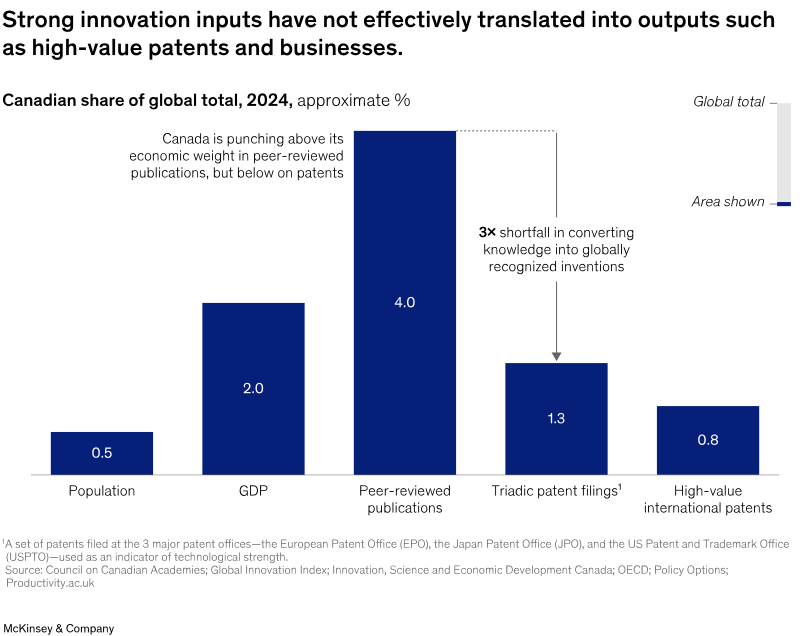
One of the reasons for this shortfall is that Canada’s small domestic market allows companies to survive without competing at global productivity frontiers. Another reason is that Canada struggles to attract top talent because Canadian salaries are lower than those paid in the United States. A tech worker in California’s Bay Area could make about twice as much as the same role in Toronto, so it is more difficult for companies in knowledge-based sectors to grow domestically and scale to export markets.
Canada’s trillion-dollar decade
What will it take to turn things around and put Canada and, most importantly, Canadians on a path to healthy, sustainable productivity growth? To get a sense of the magnitude of the challenge, we developed a productivity model that translates overall productivity targets into concrete requirements for the main sector groups of Canada’s economy, using the current projection by the International Monetary Fund (IMF) for Canada as the baseline. The purpose of this model is diagnostic rather than prescriptive. It is not meant to lay out a blueprint for reforming Canada’s economy. Rather, our intent is to give a sense of the magnitude of what would be required to move the needle on productivity growth in a meaningful way.
In 2010, Canada’s GDP per capita was approximately 90 percent of the US level; today, it is closer to 75 percent. A return to 90 percent by 2035 would, according to our analysis, require Canada to reverse its recent productivity decline and grow by as much as 3.0 percent annually through 2035—the equivalent of about one to one and a half trillion dollars of incremental GDP (adjusted for inflation and purchasing power). In a mature economy, this kind of turnaround is unrealistic without substantial population growth. A more realistic but still very ambitious goal is 80 percent by 2035, assuming US productivity growth of 1.5 percent per year. That implies Canada’s real GDP per capita growth would be 2.0 percent per year from 2025 to 2035—a step up from the IMF baseline of 1.3 percent (Exhibit 10).25
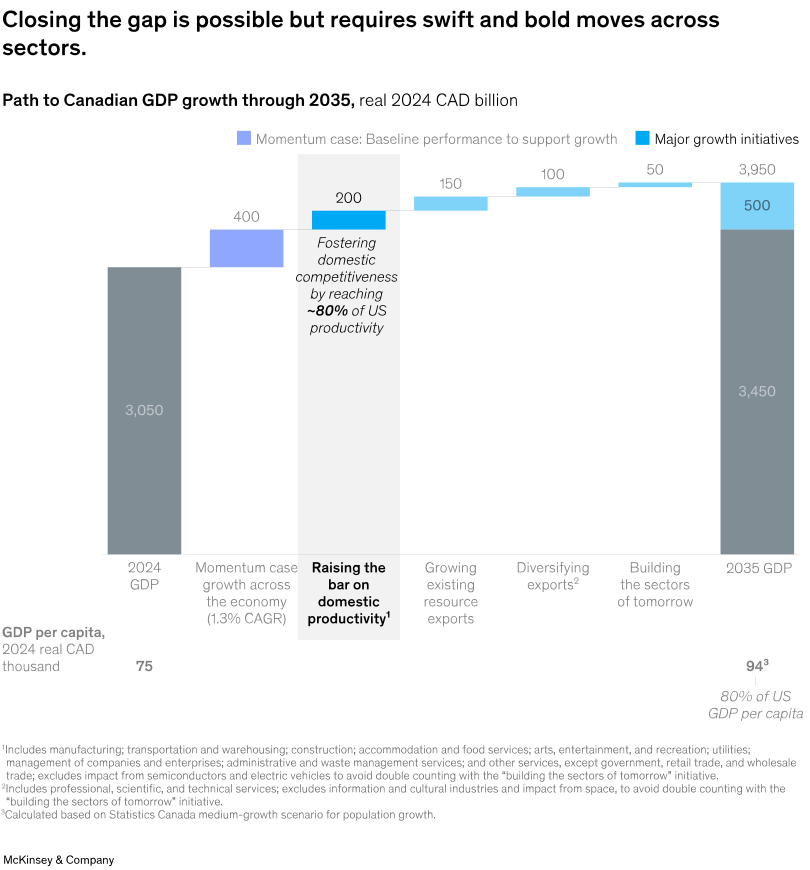
We estimate that baseline growth would deliver about $0.4 trillion in additional GDP by 2035. Reaching 80 percent would require about $0.5 trillion more.
Raising the bar on domestic productivity. Currently, we estimate that Canada’s sector-level productivity trails the US by a factor of two to three in some sectors. Raising productivity across the economy to match 80 percent of US productivity with a focus on domestically oriented sectors could contribute as much as $200 billion. This would involve some significant shifts, such as tripling the productivity in telecoms and utilities, doubling productivity in hospitality, increasing retail trade productivity by 25 percent, and increasing manufacturing sector productivity by 30 percent.
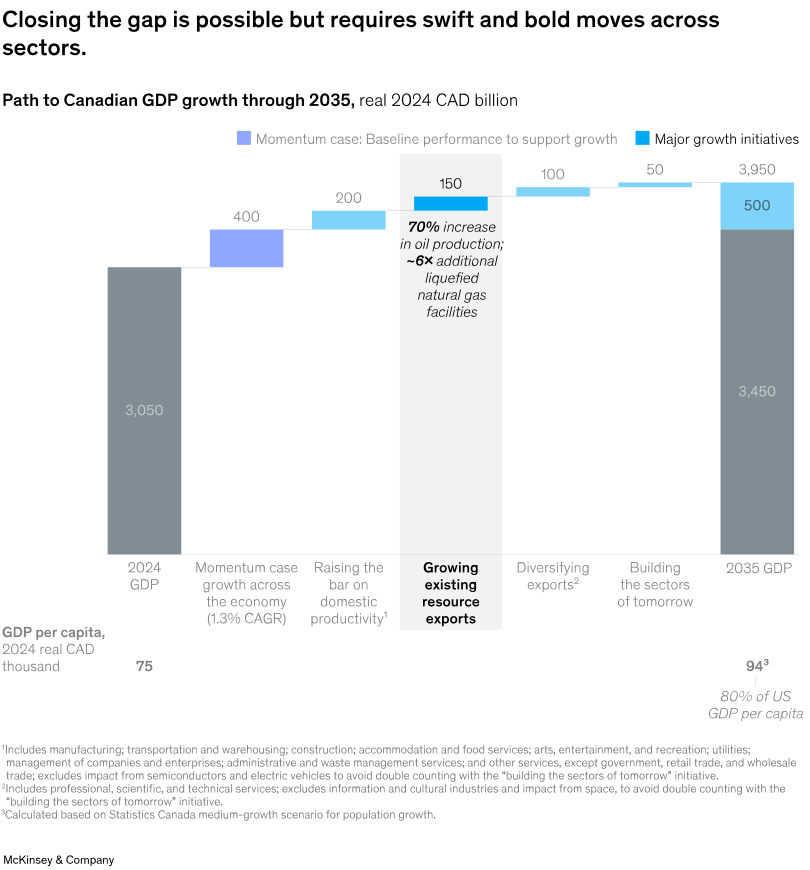
Growing existing resource exports. Canada has competitive advantages in export-oriented sectors such as agriculture, oil, gas, and critical minerals. If Canada were to expand exports in sectors in which it has a competitive advantage and where global demand exceeds supply, this would result in an incremental $150 billion GDP by 2035. Capturing this potential would require a significant expansion: a 20 percent increase in agricultural production (adding $15 billion), a 70 percent increase of oil output (adding $85 billion), and the addition of six new LNG terminals (adding $20 billion), as well as modest growth in copper, zinc, nickel, cobalt, and titanium production (adding $2 billion).
Export expansion would have to be paired with an infrastructure and market access plan to get Canadian products to the most profitable markets and diversifying trade flows. To take full advantage of Canada’s resources would require an increase in extraction capacities and the expansion of relevant infrastructure, such as pipelines and terminals, in a way that respects the needs and concerns of all stakeholders, upholding high environmental and ethical standards.
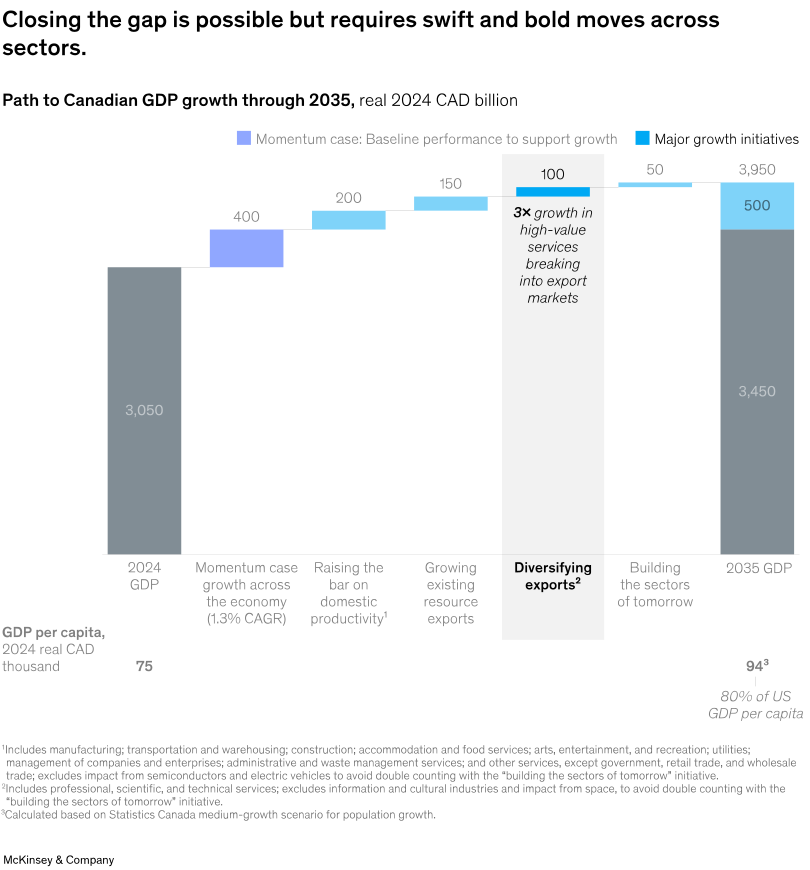
Diversifying exports. Today, Canadian professional and technical services firms focus primarily on the domestic market. As a result, Canadian service exports were only 7 percent of GDP in 2023, compared with 20 percent in other advanced economies such as the United Kingdom.26 Canada has a lot of the advantages that would enable expansion into export markets, including strong, globally recognized universities and academic credentials, as well as a mature professional and financial services ecosystem. Export expansion in these areas could increase gross value added (GVA) per employee by 45 percent. This would unlock $100 billion in additional GDP.
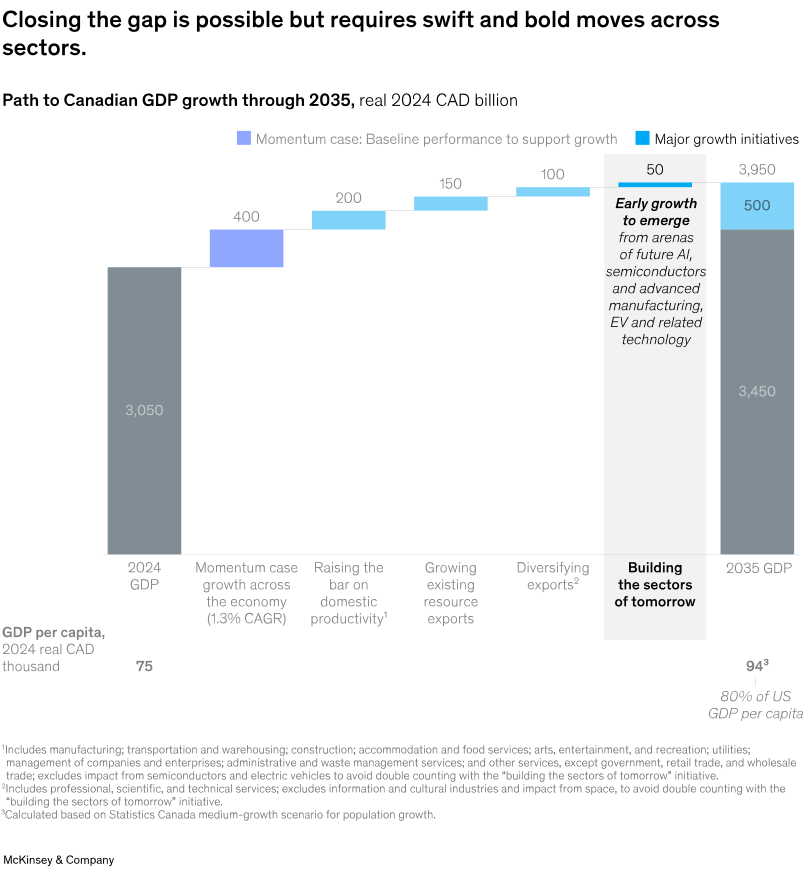
Building the sectors of tomorrow. The global economy is shifting, and a recent McKiney Global Institute report identified 18 high-growth arenas, such as AI and e-commerce, that are expected to create $48 trillion in global revenues by 2040. Canada already has a presence in seven of these arenas. Increasing Canada’s participation in the growth of these arenas could contribute another $100 billion to GDP during this decade, with the potential to boost the economy even more in the decades to come.
From ideas to action: The five tests
For Canada to get back on track toward healthy productivity growth, it will have to do more than rearrange the slices of the economic pie or expand the size of one slice at the expense of another. Instead, the economic pie as a whole must get bigger—a lot bigger, and fast. Small-scale, incremental initiatives will not get Canada’s GDP per capita to 80 percent of US GDP per capita. The magnitude of the challenge calls for focus, pace, and investment from companies of all sizes and all levels of government.
While there is an abundance of ideas on how to reform the Canadian economy, not all of these ideas will move the needle on productivity growth in a meaningful way. Therefore, instead of adding to the list of ideas, we have chosen to propose a framework to prioritize ideas based on their potential to achieve substantial productivity gains, so Canada can focus on the efforts that will make a difference. Building on McKinsey’s global research and our in-depth analysis of the Canadian economy, we have devised five tests that can help decision makers assess whether a new initiative is likely to achieve substantial productivity gains.
Test 1: Will it unlock material value for Canadians?
Will initiatives contribute to generating around $450 billion in incremental revenue by 2035?
Our productivity model shows that reaching 80 percent of US productivity growth by 2035 would require adding approximately $1 trillion in real GDP, going from $3.6 trillion in 2024 to $4.7 trillion in 2035. This would equate to roughly $450 billion in incremental revenue—almost the equivalent of the combined current revenues of Canada’s top ten companies—to drive the required GDP uplift. Unlocking this kind of growth requires value creation across entire value chains and sectors.
Test 2: Is it leveraging a distinct advantage?
Do sectors of focus have a durable comparative (supply cost, market access) or competitive (unique IP, low-cost, market access) advantage?
Future growth will be sustainable only if it is grounded in areas where Canada has a comparative or competitive advantage. Canada has several natural resources that are globally competitive in terms of the price at which Canada can bring them to market. In addition, some commodities, such as Canadian aluminum, are also less carbon-intensive than alternatives.
Beyond the resource sector, Canada has high-performing companies in sectors that could be scaled globally, including retail, wholesale, and services. Supporting growth in sectors with a demonstrable advantage over competitors will yield sustainable long-term growth for the country.
Test 3: Will it make Canada an even better place to do business?
Do efforts shorten time to build, lower the cost of doing business, and/or lower the risk-adjusted cost of capital?
Canada has seen a gradual layering of regulations over time, with various state, provincial, and federal levels resulting in increased complexity and reduced certainty. Canada could become more attractive for investors by focusing on regulatory speed and certainty. Fiscal policy is also a key consideration for investment dollars looking at similar jurisdictions. Fiscal structures should be set up to be attractive in terms of both near-term viability and long-term certainty for investors. Investments in addressing barriers to access talent in the sectors of focus will be a critical enabler to allow new businesses to scale as well as upskill Canadians so they can access new high-paying jobs.
Test 4: Will it incent innovation and productivity improvement?
Are companies incented to achieve and remain globally competitive?
Lagging productivity in domestic sectors results in an overall drag on the economy and does not incubate firms that can scale to become champions. Improving domestic productivity should result in lower costs and higher-value products for Canadians while enabling Canadian firms to create more value. Achieving these types of productivity gains requires widespread and rapid leverage of technology, participation in higher-value parts of the value chain, reskilling, and labour strategy adjustments, including workforce reallocation, across sectors.
One example of where innovation produces productivity gains is the use of gen AI, which could yield double-digit productivity gains. Firms that invent new products and processes earn higher margins and can reinvest earnings in better equipment, software, and talent. Triggering this virtuous cycle requires more capital for scaling, stronger incentives for private-sector R&D, and easier commercialization pathways from research to industry. Removing barriers to competition and market integration are additional enablers that can incent firm efficiency and allow winners to scale. When markets reward the most efficient firms and make it simple to grow across provinces and abroad, companies invest in modern machinery, adopt AI and data systems, and build global brands.
Test 5: Will it set up Canada for growth beyond its current portfolio?
Will growth occur in areas that diversify Canada’s economy in sectors with future growth potential?
Canada has a robust economic base with considerable growth potential, but doing more of the same will be insufficient to hit the 80 percent target. In addition, diversifying the economy to include growth in non-resource sectors and sectors with future growth potential will shore up Canada’s economy and trade base against potential shocks.
The McKinsey Global Institute has identified 18 high-growth arenas that are expected to yield USD 48 trillion in global revenues and USD 6 trillion in profits by 2040. Examples include e-commerce, AI, semiconductors, cloud services, electric vehicles, space, and cybersecurity. To achieve the 80 percent target, Canada will have to increase its participation in these highly dynamic arenas.
Canada already has a strong position in AI software and services, e-commerce, and semiconductors. For example, Canada’s current share of global AI revenues is currently in the magnitude of 8 percent, and this field is among the most dynamic in the world.27 By 2040, AI revenue could reach more than $4 trillion, up from 85 billion in 2022. And while Canada’s share of global e-commerce is currently below 1 percent, it is growing quickly, at a rate of more than 40 percent (CAGR for the period from 2019 to 2024).28 Global e-commerce revenue is expected to grow fivefold over the course of the next decades, from $4 trillion in 2022 to as much as $20 trillion in 2040.29 Leveraging its strong position could help Canada become a significant global player in these fields.
Next to the dynamic sectors in which Canada already has a strong position are some similarly promising fields in which Canada could expand its existing footprint. These include cloud services, electric vehicles, space, and cybersecurity. Global cloud service revenue, for example, could grow more than tenfold, from USD 270 billion in 2023 to more than USD 3 trillion in 2040.
Once productivity soars again, all Canadians will benefit
Initiatives that pass most of the tests outlined in the previous section can have a substantial and sustainable impact on productivity by setting Canada up for robust future growth, rather than short-lived quick wins. While these tests are designed to challenge Canada to reach its full potential, they also raise tough questions about the country’s commitment to productivity and the trade-offs it involves. How can Canada balance increased resource output with the rights of indigenous communities, adequate protection of the environment, and biodiversity preservation? To what extent are Canadians prepared to sacrifice current comfort and short-lived economic gains for sustainable growth and long-term resilience? How can Canada provide incentives for pacemakers and investments in innovation while ensuring a fair distribution of wealth, especially equitable access to public services?
If the country continues on its current economic trajectory, Canadians of all ages will be worse off in 2035. Younger Canadians, who are already facing higher debt burdens and lower levels of net worth than their parents, will struggle to pay their bills, let alone buy or build a house. The aging population in Canada will find the country struggling to maintain high-quality care for them. And as the dependency ratio is forecast to increase from 31 percent to 38 percent by 2035,30 a growing share of the value generated by the working population will have to be allocated to providing for those who don’t work.
If, however, Canada returns to healthy productivity growth, all Canadians could stand to benefit. In the 80 percent scenario, median real household income could increase by as much as $16,000 in real 2024 value by 2035. Wage growth could once again outpace the increase of everyday living costs, and inequality could be kept in check. With a more competitive domestic market, Canadians would benefit from more choice and lower prices. High-quality care for older Canadians could be maintained despite demographic change. Generally, the government would have more leeway to invest in world-class healthcare, education, infrastructure, social welfare programs, and the transition to a low-carbon economy. Future generations would be able to enjoy the good life most Canadians have enjoyed until very recently and many Canadians are still enjoying today.
Achieving cross-economy growth could mean economic development across the entire country. It could include enhancements and expansions to ports, shipyards, and offshore infrastructure on the east and west coasts; low-carbon hubs leveraging leading positions in Quebec and British Columbia; and increased sustainable resource extraction in Alberta, the prairies, the Yukon, and the Northwest Territories. In addition, it could create high-paying jobs in AI, tech, and related sectors across all Canadian metro areas.
If Canada manages to reverse the current trend, everybody wins, even if the headwinds get stronger. But for the turnaround to work, everybody will have to chip in. Transformational change can happen only when private companies, investors, and political decision makers work together. Now is the time for Canada to capitalize on its strengths, take advantage of new opportunities, and set up the country for a future of sustainable prosperity.