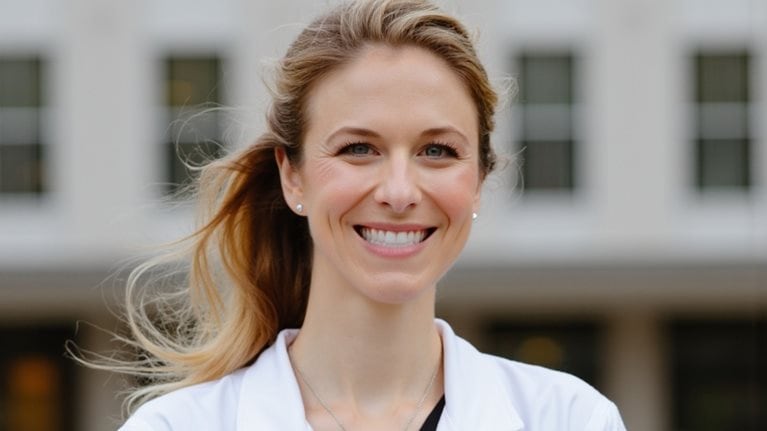
Doctors at McKinsey: When clinicians lead, healthcare changes
An emergency department physician and McKinsey partner, Houston-based Laura Medford-Davis has built her career at the intersection of patient care and healthcare transformation, focusing on reimagining access to healthcare and helping physicians scale their impact through leadership.
She continues to practice emergency medicine while advising health systems, bringing frontline reality into boardroom decisions—and helping clinicians scale their impact far beyond the bedside.
When patient care and health systems are mismatched
I always wanted to be a physician. But during my third-year medical school rotations, when learning shifts from the classroom to the hospital, I had a realization: I loved caring for patients—but the system around that care was convoluted, frustrating, and often misaligned with what patients actually needed. It also contributed to burnout among healthcare workers.
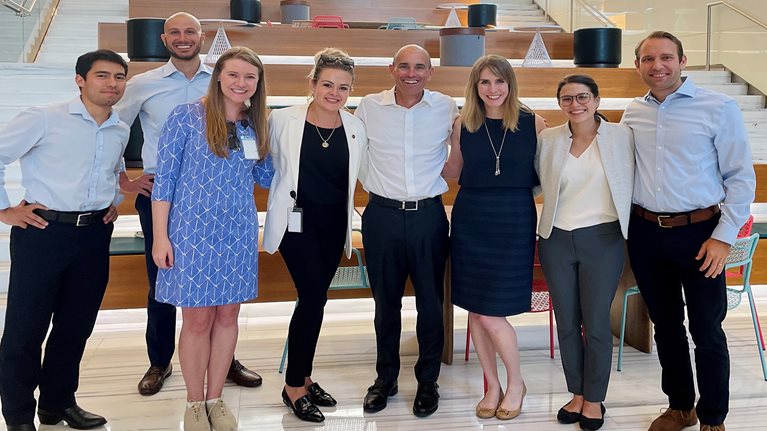
That disconnect became even clearer when I chose emergency medicine. The emergency department is where the system’s failures show up most starkly. You see patients who couldn’t get timely primary care, who waited months for a specialist, or whose outcomes worsened because access came too late. You’re helping in a moment of crisis—but you’re also seeing the downstream effects of challenges far upstream.
I knew I wanted to work on those upstream problems. I just didn’t yet know how.
The limits of research and policy

My first instinct was research: study the problems, publish the evidence, and let that shape better decisions. I did that work, including studying how insurance status affects outcomes like stroke care. But I quickly realized how slow and indirect that path could be.
So I moved into policy, working at Medicare’s Innovation Center on value-based care models and helping draft the Quality Payment Program. It was meaningful work—but it also felt abstract. Policies were well-intentioned yet often disconnected from how care actually happens.
That gap became painfully clear after I joined McKinsey. One of my first experiences involved a health system that was trying to navigate the same types of payment programs I had worked on. Seeing how these programs translated into day-to-day operations helped me see firsthand the real impact of policymaking and how efforts that appear strong on paper can be challenging to implement in ways that truly deliver the right care to patients.
I still practice emergency medicine because I value helping someone in a moment of need. But my work at McKinsey lets me address the reasons they needed that care in the first place.
That moment crystallized why I made the move. Incentives matter—but so does being close enough to reality to help shape how they’re applied.
From productivity to access
Today, my work focuses on expanding patient access while improving the day-to-day experience of clinicians. That means rethinking care models so we’re not just asking physicians and nurses to do more with less but actually enabling better care.
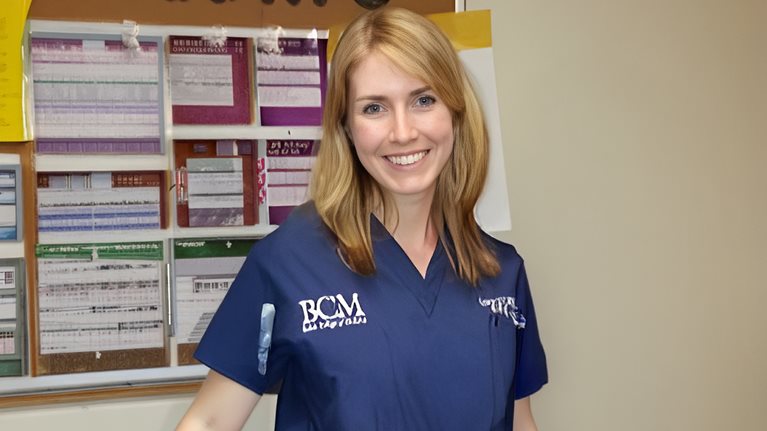
I’m especially excited about how technology is making this possible. AI-enabled documentation tools are already reducing administrative burden. Advanced analytics let us move beyond “first come, first served” access toward something more precise—matching patients to care based on clinical risk, urgency, and individual needs and preferences.
When we design access around real clinical need—and real human behavior—we see better outcomes for patients and caregivers alike.
Promoting clinicians as health system leaders
One of the most exciting shifts I see in healthcare is the growing number of physicians stepping into enterprise leadership roles—including the CEO seat. McKinsey’s Physician Leadership Survey—an annual research effort capturing the perspectives of hundreds of physician leaders on leadership aspirations, readiness, burnout, and the future of healthcare leadership—shows that nearly 60 percent of physician leaders aspire to be CEOs. Yet only a small share of healthcare CEOs today have clinical backgrounds.
That gap matters. Physicians understand care delivery, patient needs, and frontline realities in a way few others can. Many want to lead not for the title, but to scale their impact—to shape systems that work better for patients and clinicians alike.
I still practice emergency medicine because I value helping someone in a moment of need. But my work at McKinsey lets me address the reasons they needed that care in the first place. The timelines are different—minutes versus months—but the purpose is the same: make healthcare work better for everyone involved.