Foreword
Professor Eugene Oteng-Ntim
Clinical director for Women’s Health Services and consultant obstetrician at Guy’s and St Thomas’ NHS Foundation Trust, and professor of Obstetrics at King’s College London
Dame Lesley Regan
Professor of Obstetrics and Gynaecology at Imperial College’s St Mary’s Hospital Campus, honorary consultant in Gynaecology at the Imperial College NHS Trust, and Women’s Health Ambassador for England
For too many women and girls, poor health has too often been treated as something to endure rather than something to understand, prevent, and treat. Symptoms have been normalized, pain dismissed, and opportunities for early diagnosis and intervention missed. Thus, too many women have had to return again and again before receiving answers.
That experience is deeply familiar to clinicians, but it should not be accepted as inevitable. A health system worthy of women must recognize their biology, listen carefully to their experience, and respond earlier and more effectively across every stage of life.
The United Kingdom has much to be proud of. The NHS remains one of the country’s most important social achievements, built on the principle that care should be available according to need. Yet universality should mean that care works for women as well as men. That requires evidence, services, and pathways that reflect the realities of women’s lives across the life course—from adolescence and menstrual health to fertility, pregnancy, menopause, and healthy aging—as well as for common conditions where women’s risks, symptoms, outcomes, or responses to treatment differ.
This report makes an important contribution by quantifying what women, families, and clinicians have long understood. Women in the United Kingdom spend significantly more time in poor health than men, and much of that burden falls during the years when women are studying, working, caring, leading, and contributing to society. It demonstrates that closing the women’s health gap could give women around ten additional healthy days each year while contributing approximately £36 billion annually to the UK economy by 2040. These figures are not abstract. They represent time regained, suffering reduced, independence protected, and potential released.
These figures also make clear that women’s health is not a niche agenda. It is a mainstream health, workforce, and economic priority.
The next phase must be practical. Awareness has grown, but women will judge progress by whether care is easier to access, whether their symptoms are taken seriously, whether evidence changes clinical practice, and whether support is available before illness disrupts education, work, family life, or independence.
No single part of the system can deliver this alone. The United Kingdom’s health services, researchers, life sciences companies, employers, investors, innovators, charities, and policymakers all have a role in turning evidence into action. The task is to build a system that delivers sex-appropriate care—seeing women and men clearly, measuring what matters, scaling what works, and reaching those facing the greatest barriers—to improve health outcomes for all.
Across the United Kingdom, important progress is already underway through women’s health strategies, women’s health hubs, research initiatives, and growing public awareness. There is a compelling case for accelerating and scaling these efforts.
This report shows that the women’s health gap is both vast and addressable. It is measured not only in underinvestment and uneven care but also in delayed diagnoses, untreated symptoms, avoidable suffering, and lost potential and opportunity. Closing it would improve women’s lives first and foremost while strengthening families, communities, workplaces, and economies throughout the United Kingdom. The evidence is now clear. The challenge is no longer understanding the problem, but acting with sufficient pace, scale, and determination to solve it. The evidence is no longer the barrier. Delivery is.
At a glance
- Women in the United Kingdom spend around 24 percent more time in poor health than men, driven by common conditions that affect women differently or disproportionately, not only by conditions specific to women.
- Closing the women’s health gap could add around £36 billion annually to UK GDP by 2040 and create around ten additional healthy days per woman each year.
- Improving women’s lives while strengthening the economy would involve coordinated action across healthcare, life sciences, employers, investors, and policymakers to design sex- and gender-aware care, invest in innovation, and scale effective interventions and actions to embed women’s health as a core economic and workforce priority.
In the last century, life expectancy in the United Kingdom increased by almost 25 years, from late 50s to early 80s, supported by advances in public health, infrastructure, and access to healthcare.1 This is a major national achievement. Yet longer lives do not automatically mean healthier lives: Many people spend a meaningful share of those additional years limited by chronic conditions and disability, affecting independence and well-being and leading to a health-adjusted life expectancy in the United Kingdom of almost 70 years.2
Women in the United Kingdom spend 24 percent more time than men in poor health and with varying degrees of disability, according to analysis from the McKinsey Health Institute (MHI) and the World Economic Forum (WEF). In day-to-day terms, this means the average woman spends the equivalent of 54 days, or almost two months, a year in poor health, compared with 44 days for the average man. Crucially, this gap is not limited to women-specific conditions, with 60 percent of women’s total burden of disease relating to conditions that affect women differently such as stroke, migraine, or hypertensive disease. It is also not confined to the end of life—much of it falls across women’s working and caring years, which is why it matters for paid work, unpaid care, family life, and community participation. This affects women’s ability to be present and productive—at home, at work, and in their communities—and can leave women spending more of their lives managing illness than pursuing what matters to them. (For more, see sidebar “Terminology used in this report.”)
Closing the UK women’s health gap would improve outcomes for millions and could add at least £36 billion annually to the economy by 2040, worth approximately 1 to 2 percent in GDP.3 This makes women’s health one of the largest untapped health-related economic opportunities in the United Kingdom today. Moreover, this data is also likely to be conservative given persistent undercounting and data gaps in women’s conditions, which can underestimate prevalence and undervalue health burden.
The United Kingdom occupies a singular place in the history of healthcare. As the first nation to codify health as a universal right through the NHS, it established a model rooted in the principle that access to care should be based on need. Yet this founding principle has not always translated into equal access, experience, or outcomes for all groups, including women.4 The opportunity now is to embed sex and gender more consistently into the design, research, measurement, and delivery of healthcare, so women’s biology and needs are reflected more fully. The United Kingdom has already begun to give women’s health more explicit institutional focus, including through the appointment of a Women’s Health Ambassador and successive women’s health strategies in England, dedicated women’s health plans in Scotland and Wales, and a Women’s Health Action Plan in development in Northern Ireland. But closing the women’s health gap is a broad agenda with far-reaching consequences and positive externalities, enabling more women to participate, lead, and flourish throughout the course of their lives. It can be a central component of the United Kingdom’s future health, workforce participation, and economic growth. (For more on this analysis, see sidebar “Research methodology.”)
In this report, MHI translates the opportunity into a practical agenda, showing the potential benefits of a shared responsibility in making women’s health a national priority.
The women’s health gap: A whole-life, whole-system challenge shaped by biology, burden, and age
Understanding women’s health begins with a simple truth: Women are not small men. Women’s biology is shaped by dynamic monthly hormonal cycles and life stages, from adolescence, sometimes through pregnancy, to menopause and older age. These cycles help shape cognition,5 mood,6 sleep,7 thermoregulation,8 menstrual pain sensitivity,9 metabolism,10 and the gut microbiome11 among others. Nor is this only about hormones: Sex chromosomes,12 immune function,13 and other biological differences can also shape disease risk, symptom presentation, and response to treatment.14 Women’s health is therefore a life-course story, encompassing female-specific conditions as well as a broader set of diseases in which women’s needs, symptoms, and outcomes can differ from men’s in important ways.
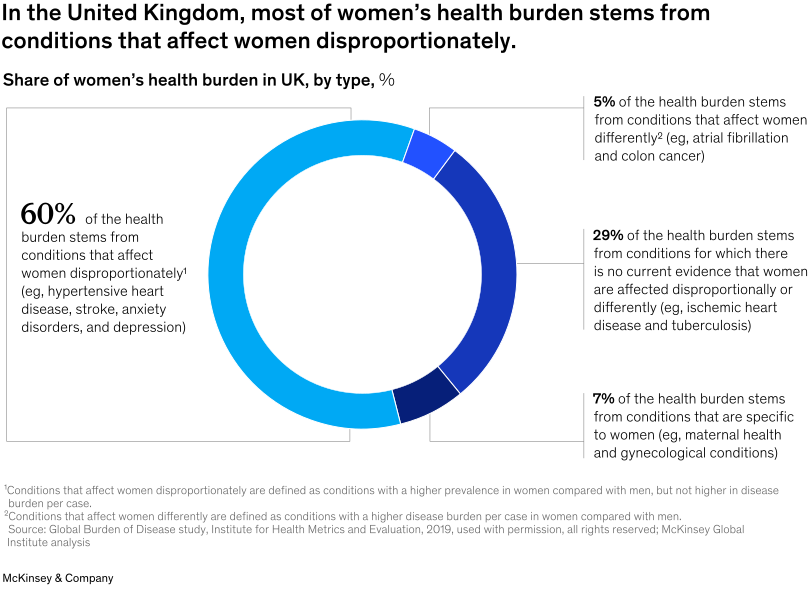
A full picture of women’s health starts with breadth. Women’s health is often reduced to sexual and reproductive health15—which remain foundational to women’s autonomy, health, and well-being—but that materially underrepresents the true burden. In the United Kingdom, only 7 percent of women’s absolute health burden comes from conditions that affect women uniquely (that is, gynecological conditions, maternal health, or menopause-related conditions). Far more of the burden, 60 percent, relates to conditions that affect both men and women, but where women are affected with higher prevalence (“disproportionately”), such as asthma, stroke, migraine, arthritis, or depression (Exhibit 1). This is a greater proportion than that seen globally, where 47 percent of women’s health burden reflects conditions that affect women disproportionately.16
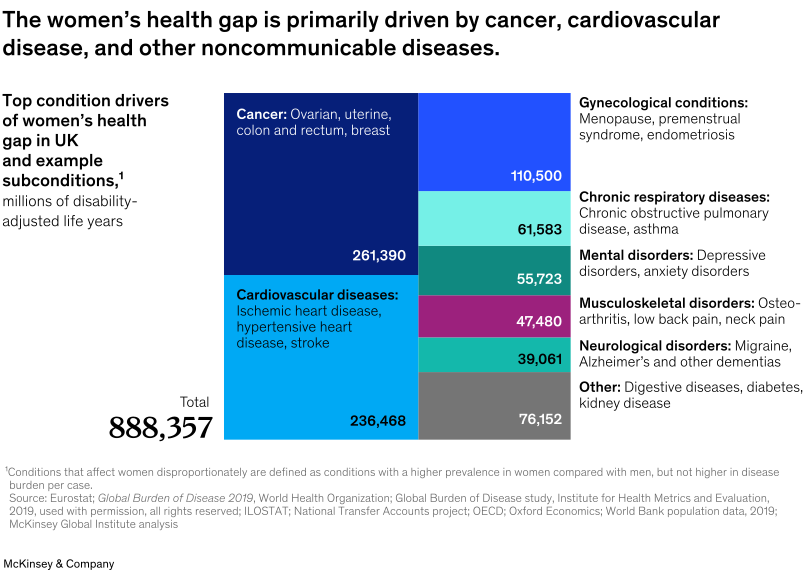
That is the picture in absolute terms. The women’s health gap reflects the share of women’s projected disease burden that could be reduced by addressing sex-based differences in the adoption or effectiveness of existing interventions and expected breakthrough technologies.17 Some of this gap reflects diseases unique to women, but most of it arises from conditions that affect both sexes, where women may experience different prevalence, presentation, and burden. In the United Kingdom, this comes to 888,357 disability-adjusted life years, or DALYs, equivalent to roughly ten days per woman per year. Cancer, cardiovascular disease, chronic respiratory disease, mental disorders, and gynecological conditions are among the largest contributors to the gap, underscoring that it extends well beyond women-specific conditions (Exhibit 2).
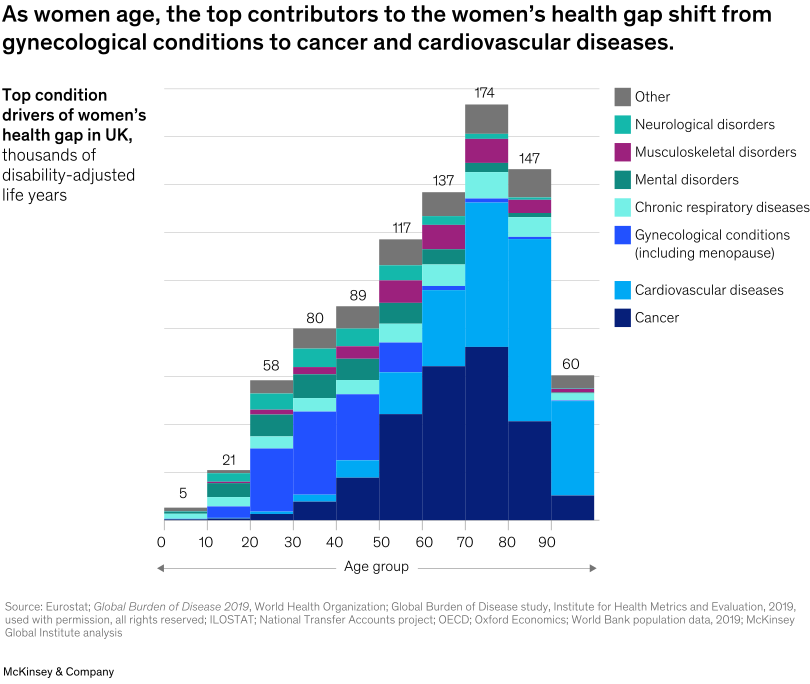
A full picture of women’s health also requires a life-course lens—not as a static set of one-off conditions, but as a changing pattern of interconnected needs that evolves from adolescence through working age and into older age. The women’s health gap is driven by different conditions at every stage. Gynecological conditions, including human papillomavirus (HPV) infections that can cause cervical cancer, weigh more heavily in early and mid-life; however, during the working years, the burden broadens across musculoskeletal, respiratory, neurological, and cardiovascular conditions, before shifting further toward cancer and cardiovascular disease in later life. Some conditions affect women relatively consistently throughout their life: Mental disorders, for example, are prevalent from age ten to 70, echoing broader MHI brain health analysis showing that more than half of mental health disease burden falls on those under 40.18 Pregnancy can also act as an early signal of later-life risk: Hypertensive disorders of pregnancy and gestational diabetes are associated with higher future cardiovascular risk, making obstetric history an important input into prevention and follow-up across the life course.19 A life-course view therefore helps ensure that care, evidence, and support reflect what women need when they need it most (Exhibit 3).
Economic impact: The United Kingdom could capture a £36 billion GDP opportunity
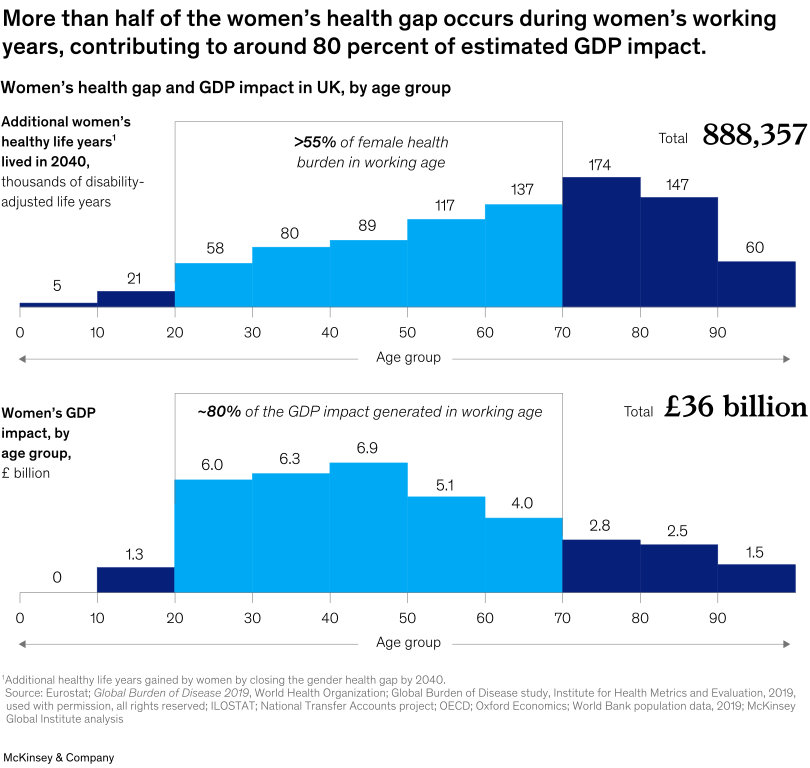
The women’s health gap shows up in lost time: hours spent in pain, months spent managing symptoms or pushing through work while unwell, years spent waiting for diagnosis and treatment. That time spent in poor health adds up to the equivalent of ten days per woman per year in the United Kingdom.20 This falls heavily in women’s working years when health most directly affects participation and productivity. Closing the gap would therefore do more than improve health outcomes. It would enable more women to enter, remain, and thrive in the workforce—strengthening both individual well-being and national economic performance. The benefits would also extend beyond women themselves. Improved health for women bolsters households, workplaces, and communities; healthier years for women can strengthen family resilience; and support for children’s health and well-being creates positive effects across generations.21
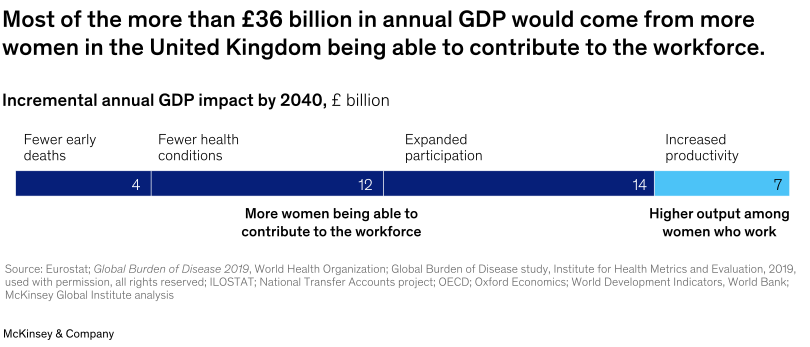
Closing the women’s health gap could restore that “lost time” and add around £36 billion a year to the UK economy by 2040 (Exhibit 4)—on a similar scale to the annual contribution to the UK economy made by the entire life sciences sector today.22 This estimate is likely conservative, because the burden of conditions such as menopause, endometriosis, and polycystic ovary syndrome (PMOS),23 which predominantly affect working-age women, is still partially hidden by delayed diagnosis and incomplete data, with many women waiting close to a decade for answers. GDP captures only one part of the value at stake. Better health also has wider social value: It reduces pain and uncertainty, improves autonomy and well-being, supports family and community life, and can create benefits that are not fully captured in measured economic output. Public sector appraisal frameworks, such as the UK Green Book, recognize this broader value by assigning a monetary value to health gains, suggesting that the wider “social value” of closing the gap could be of a similar order of magnitude to the GDP effect.24 (For more, see sidebar “The payoff in workforce investment.”)
Closing the gap can not only improve women’s lives; it can be part of the UK approach to workforce supply, productivity, and growth. Four years after the pandemic, the United Kingdom was the only G7 economy where the workforce remained smaller than before the pandemic,25 largely driven by a rise in long-term sickness that has currently left 2.78 million people economically inactive.26 Among those in the workforce, health affects time and performance, with women’s sickness absence rate at 2.5 percent compared with 1.6 percent for men.27 This workforce supply challenge sits alongside a broader productivity problem: Since 2007, UK output per hour has grown by just 0.6 percent annually, down sharply from 2.2 percent before the financial crisis,28 leaving the United Kingdom below the G7 average and 20 percent behind the United States.29 Alongside wider levers such as stronger management systems, investment, and technology adoption,30 better women’s health can enable more women to stay in work while also reducing time lost to poor health (Exhibit 5).
The United Kingdom is already investing in workforce initiatives that help people stay well and remain in work; women’s health initiatives could complement these by acting earlier on the drivers of workforce disruption. Programs such as the WorkWell pilots31 and the Get Britain Working White Paper32 focus on providing targeted “downstream” support for people already at risk of leaving the workforce. By contrast, closing the women’s health gap can reduce the likelihood that women reach that point at all, through earlier problem recognition, appropriate access, and support. Momentum is building behind efforts to embed women’s and reproductive health more firmly in workplace strategy, with 28 organizations including the Chartered Institute of Personnel and Development (CIPD)33 and the Society of Occupational Medicine calling for a review of workplace support.34 The prize is wider than health alone: stronger workforce resilience and greater economic prosperity.
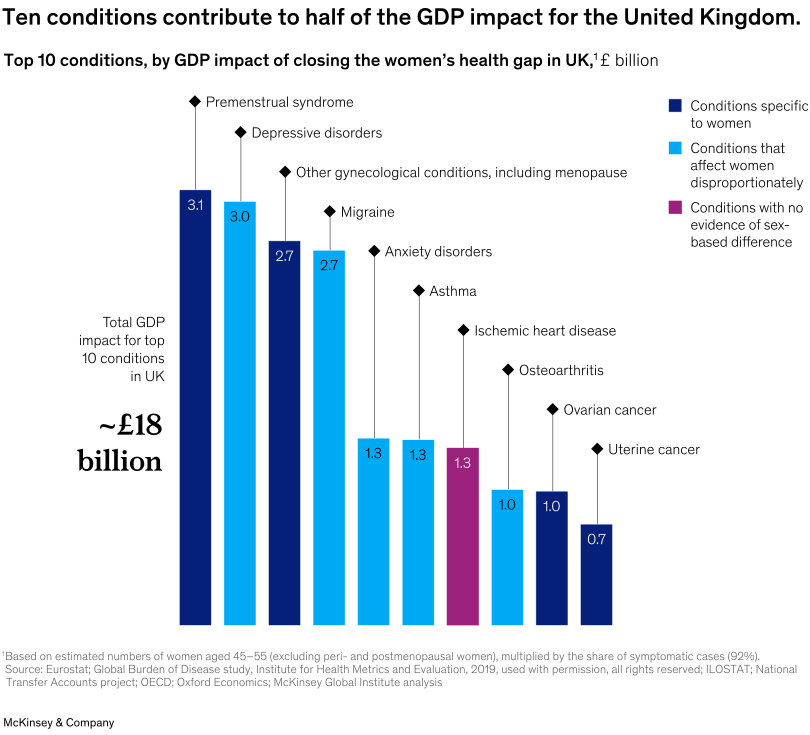
This upside is concentrated in a small set of conditions that disproportionately affect women. There is clear overlap between the top drivers of the women’s health gap and the specific conditions that have the most impact on GDP, with ten conditions accounting for around half of the GDP impact (Exhibit 6). Notably, several of the highest-impact conditions are not traditionally labeled as women’s health, including migraine, asthma, ischemic heart disease, osteoarthritis, and depressive disorders. Focusing on these conditions can offer a path to deliver improved health outcomes and substantial economic gains. For instance, alleviating the burden due to premenstrual syndrome, depressive disorders, other gynecological conditions (for example, menopause), and migraine alone could lead to a GDP impact of more than £11 billion on the UK economy. A common thread across these four conditions has been shown by research to be sensitivity to female hormones signaling across the life course,35 suggesting that better measuring, understanding, and targeting of hormonal influences on symptoms could be a core component of success and an important area of focus for research, clinical development, and care delivery.
The drivers of the gap: Efficacy, care delivery, and data
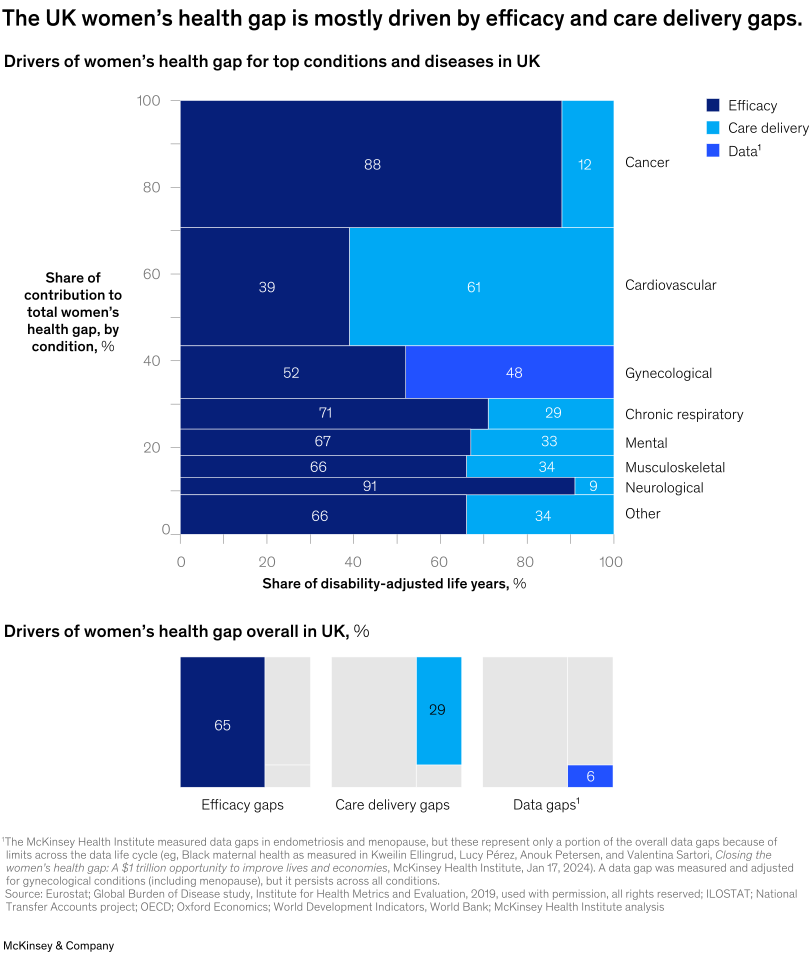
Closing the UK women’s health gap would involve tackling three main aspects: efficacy, care delivery, and data. These were identified by MHI and WEF in an earlier analysis as the main drivers of the gap.36 Efficacy reflects the fact that interventions do not always perform as well for both genders. Care delivery reflects missed diagnoses, delayed referrals, and incomplete follow-up, often showing up as preventable underscreening, underdiagnosis, and undertreatment.37 Data reflects the fact that women remain undercounted, understudied, and less visible in health systems and research. Across condition types, efficacy and care delivery account for most of the quantifiable burden (Exhibit 7), while data appears smaller because its full impact is harder to isolate and is therefore captured more narrowly here. Addressing all three will require substantial investment, while also opening new opportunities for innovation, economic growth, and better health outcomes.
The efficacy gap is a design problem, reflecting a male-default evidence base
Around two-thirds of the UK women’s health gap is driven by an efficacy gap—shortfalls in how well today’s diagnostics and therapies and tomorrow’s breakthrough innovations work for women in practice. An unwelcome legacy of medical research and clinical trials is that they have disproportionately centered on male biology, creating a “default male” model for evidence, thresholds, and treatment protocols. Even when women receive guideline-based care, the underlying science may be less well calibrated to female biology, because women were underrepresented in the cohorts that shaped diagnostic cutoffs, dosing conventions, and definitions of “typical” presentation. The result is a predictable pattern: Conditions that look different in women are more likely to be missed or misclassified, “standard” treatments can carry higher toxicity or lower benefit, and innovation can progress more slowly in women-specific conditions or conditions that affect women differently or disproportionately.
Women’s outcomes in oncology illustrate how an evidence base built on male-standard assumptions can translate into avoidable harm for women. Across multiple cancer modalities, women globally experience materially higher rates of severe treatment-related side effects than men—around a third higher overall, and close to 50 percent higher among patients receiving immunotherapy.38 Severe adverse events often trigger dose reductions, treatment interruptions, or discontinuation, which can erode the clinical benefit that therapies are intended to deliver. Differences are also visible in commonly used chemotherapy regimens. Women appear more susceptible to toxicities from fluorouracil-based treatment, including serious hematologic complications such as leukopenia and neutropenia, and are therefore more likely to experience treatment delays in routine care.39 Those delays matter clinically. Evidence suggests that, for some cancers and treatment settings, each four-week delay in systemic therapy is associated with a meaningful increase in mortality risk: for example, roughly 13 percent higher mortality for adjuvant treatment in colorectal cancer.40 The net effect is compounding risk, with higher toxicity increasing the likelihood of delays, and delays worsening outcomes.
Cardiovascular diagnostics also show an efficacy gap hiding inside everyday tests. The primary diagnostic tool for severe chest pain—the coronary angiogram—is designed to detect large-vessel blockages, the standard presentation of heart disease in men. However, a British Cardiovascular Society consensus report notes that women are more likely to suffer from microvascular angina and heart attacks driven by small-vessel dysfunction (myocardial infarction with nonobstructive coronary arteries or MINOCA).41 Because standard angiograms cannot detect these microscopic issues, women are significantly more likely to receive a false-negative diagnosis despite experiencing real cardiac events. This is the essence of a known-intervention efficacy gap: The tool is ubiquitous, but it is calibrated to a specific biological presentation, systematically underdetecting events in women.
The research system is starting to shift toward sex-aware design, but it now needs consistent execution. The National Institute for Health and Care Research’s (NIHR) sex and gender in research policy applies to funding opportunities after November 2025, setting clearer expectations on how studies account for sex and gender in design, recruitment, and analysis.42 If applied consistently, it should improve how well new diagnostics, dosing strategies, and care pathways work for women in routine practice, reducing underdiagnosis and avoidable harm.
National clinical practice guidelines (CPGs) are seen as some of the most obvious levers for closing the care gap, yet they do not fully reflect what is known about women’s needs. Even when we know the avenues to deliver sex-based appropriate care, national CPGs do not reflect those care pathways. MHI and the WEF compared 15 countries’ national CPGs across nine conditions, and less than 10 percent are up to date.43 In the United Kingdom, CPGs have the highest gap in care across the conditions where women are differently and disproportionately affected, such as ischemic heart disease, migraines, and breast cancer.44 These CPGs are the reference for all providers across the country, meaning any changes here would affect care delivery for all women across the United Kingdom.
The care delivery gap is an execution problem, reflecting uneven pathways for women
Around one-third of the UK women’s health gap is driven by a care delivery gap—shortfalls in how consistently women receive timely, high-quality care that is already known to work. Uneven execution can manifest in several ways across care pathways: Symptoms that present differently in women are less likely to be recognized early, referrals for some pathways can be slower, and follow-up can be fragmented across services.45 Even when women seek help appropriately, the system may not escalate quickly enough in time-critical conditions or may leave women cycling through primary and secondary care without resolution in the case of chronic conditions. NHS England finds that women make up a higher percentage of the waiting list (57 percent) compared with men (43 percent), with women more likely to be waiting more than four and a half months, and sometimes up to a year.46 The result is avoidable harm at both ends of the spectrum: higher risk when minutes matter, and years lived with disability when delayed diagnosis occurs.
When minutes matter, variation in early heart attack assessment can shape women’s outcomes within days. Historically in the United Kingdom, women have been up to 59 percent more likely than men to receive an incorrect initial diagnosis during a heart attack—a triage failure linked to a 70 percent increased risk of death within 30 days.47 A UK clinical trial of almost 50,000 patients demonstrated that even when modernized, sex-specific testing successfully increased the detection of heart attacks in women by 42 percent, downstream care delivery remained biased with women less than half as likely as men to receive life-saving interventions like stents or bypass surgery (15 percent versus 34 percent).48
When the window to diagnose and begin urgent treatment is measured in days, the evidence shows women move more slowly through pathways. The 2023 report Women, power, and cancer: A Lancet commission highlights that systemic gender biases consistently impede women’s ability to receive a timely diagnosis, particularly for nonreproductive cancers such as lung and colorectal disease, where women’s symptoms are frequently misattributed or investigated later than men’s.49 This builds on foundational UK registry data demonstrating that women’s time to diagnosis across 15 common cancers has historically lagged men’s by weeks—with gaps as large as 19 days for lymphoma and 31 days for head and neck cancer.50 This matters because treatment delay is not benign—a large meta-analysis found that each four-week delay in cancer treatment is associated with higher mortality across multiple common cancers.51 Longer time to diagnosis is unlikely to be explained by women’s lower presentation to primary care: Health Survey for England 2019 data shows women had higher GP consultation frequency than men, with 81 percent higher adjusted odds of being in a more frequent consultation category. The gap therefore appears to lie less in presentation than in the speed with which presentation is converted into diagnosis.52
In the weeks and months after pregnancy, gaps in continuity and follow-up can translate into elevated risk for women for many years later. MHI, in collaboration with the WEF, finds that women are too often failed by fragmented postpartum care.53 After hypertensive disorders such as preeclampsia or gestational diabetes, long-term cardiovascular follow-up is poorly defined despite recognition of the significant increase in later-life risk,54 with obstetric history not consistently built into future risk assessment. In parallel, perinatal mental health pathways remain uneven, with screening, referral, and follow-up still inconsistent. UK enquiry data shows the consequences of this fragmentation: Suicide is the leading cause of death between six weeks and one year after pregnancy, with psychiatric causes accounting for 34 percent of maternal deaths in that period. Hypertensive disorders show similar failures: 86 percent of women who died from cardiovascular disease could have received better care, and none of those who died from hypertensive disorders over the period 2021–23 received adequate testing when it was suspected.55
When care delays occur over years, gynecology conditions can impose a long-run burden on women’s lives. Gynecology accounts for the largest share of NHS England waiting-list cases among all adults aged 18 to 64, making up 12 percent of all waits in this age group.56 This reflects a wider system under strain, but one in which the backlog appears to weigh particularly heavily on women’s sex-specific care: 43.4 percent of women on the gynecology waiting list have been waiting more than 18 weeks, compared with 37.6 percent of men on the urology waiting list.57 The average time to an endometriosis diagnosis in the United Kingdom is now nine years and four months, rising to 11 years for ethnically diverse communities. More than a third of women report waiting over a year for secondary or tertiary care after referral, and 9 percent wait over two years. In a survey of more than 3,000 women diagnosed with endometriosis, 83 percent reported experiencing symptom dismissal prior to their diagnosis, such as being told they were “making a fuss about nothing” or that their symptoms were normal.58
When care is uneven, the harms are often greatest for the women facing the highest barriers, so closing the care gap requires keeping equity firmly in view. England’s NHS data indicates stark inequalities: Black women are 2.3 times as likely to die during pregnancy or up to six weeks after birth compared with White women, while Asian women are 1.3 times more likely to die during the same period. Women living in the most deprived areas have twice the rate of maternal mortality compared with those in the least deprived areas.59 This pattern is not unique to England: Recent MHI work on Black maternal health in the United States similarly finds that racial disparities are shaped not only by underlying risk, but by unequal access to timely, high-quality, continuous care across the maternal pathway.60
The data gap is exacerbated by a measurement problem, reflecting data sets not designed to capture women’s biology and life stages
Women’s health research and policy in the United Kingdom are affected by a documented lack of sex-disaggregated and longitudinal data. This has practical consequences. When data is incomplete or inconsistent, the system cannot reliably “see” where women are being missed, track how risk and outcomes evolve over the life course, or judge whether new models of care are actually improving access, quality, and outcomes. The Women’s Health Strategy for England acknowledges that a long-standing “male as default” approach has left major gaps in the data and evidence base for women’s health.61 Moreover, data collection at the local level remains inconsistent: For example, most integrated care boards (ICBs) do not currently track gynecology outcomes, making comparison and evaluation harder.62 A more standardized data infrastructure is therefore a prerequisite for better research as well as for knowing whether reforms such as women’s health hubs are reducing waits, improving adherence to guidance, and narrowing local inequalities.
The United Kingdom has the opportunity to build on its strong national research assets to make sex-specific evidence expectations more explicit across regulation and product development. Large-scale platforms such as UK Biobank63 and Our Future Health64 focus on expanding the country’s capacity to generate discovery and longitudinal evidence at scale. At the same time, the Medicines and Healthcare products Regulatory Agency’s (MHRA) pilot Inclusion and Diversity plan indicates a move toward more representative trials.65 Compared with the more explicit direction taken in the United States, where the US Food and Drug Administration (FDA) has strengthened expectations for sex-specific analysis across trials and post-market evidence generation,66 the United Kingdom still has room to make women-visible evidence more systematic across the full product life cycle.
Ultimately, care delivery, efficacy, and data reinforce each other. Better pathways cannot fully close outcome gaps without foundational tests and protocols becoming sex-specific, and better science cannot deliver impact if adoption is patchy and capacity-constrained. The opportunity is to improve how the system works for women: to design evidence, tests, and treatments around women’s biology, to use them consistently in everyday care, and to build the product, adoption, and market architecture that allows better solutions to move from discovery into routine use at scale.
The opportunity is shared and so is responsibility
Women’s health is entering a more hopeful phase.67 For too long, many women have had to navigate systems that were slower to recognize their symptoms, thinner in evidence on what works best for them, and harder to access at the moments that mattered most. That history has created a large and persistent unmet need. But it has also created a clear opportunity. Today, there is consensus on the need for change with the path to progress becoming more visible.68
The United Kingdom has an opportunity to turn this momentum into a practical road map for change. Making that opportunity real would involve five linked shifts across the system, according to MHI’s analysis:
- Make women visible in evidence, data, and outcomes.
- Turn that evidence into standard pathways, adoption routes, and access points.
- Invest in innovation and basic science to close knowledge gaps and create new solutions.
- Mobilize capital, incentives, and demand to scale what works.
- Embed women’s health as a workforce participation, productivity, and growth priority.
Together, these shifts can move women’s health from visibility to adoption to scale, anchoring it more firmly in the UK economic agenda. The test for any solution put forward is that it addresses a real unmet need for women, generates decision-grade evidence, fits into a credible pathway to adoption, and improves access without widening inequality. No single stakeholder can do this alone. In the following section we have outlined some potential stakeholder actions that show where each part of the ecosystem can make a distinct contribution in the part of the gap it is best placed to close, so that today’s momentum becomes durable progress.
Healthcare systems: Set standards, turn ambition into practice, and scale what works
Healthcare systems can close the efficacy and care delivery gaps when women’s health moves from stand-alone services to being a feature of mainstream care. Across the United Kingdom, health systems are increasingly recognizing women’s health as a whole-life, mainstream delivery priority rather than a narrow reproductive health issue. In England, the refreshed Women’s Health Strategy for England aims to put women’s voices and choices at the center of care, shift more women’s health services into community settings, redesign pathways for certain high-volume conditions, and begin to build the necessary architecture for capturing women’s experience, outcomes, service performance, and equity.69 Scotland and Wales are also taking forward dedicated Women’s Health Plans. In Scotland the plan goes beyond gynecology services and cervical cancer to also include women’s brain health, underpinned by innovation to improve care.70 As part of its 2025–35 Women’s Health Plan, Wales has already opened a women’s health hub focused on menopause, contraception, and menstrual health in every health board area, and aims over the next decade to build a more prevention-focused, community-based, and digitally enabled model of women’s healthcare.71 Northern Ireland is at an earlier stage, developing its approach through a Women’s Health Action Plan and public listening exercise.72
The next challenge is executing on this ambition at scale: embedding a holistic, life-course view of women’s health across all specialties and pathways, and then delivering this consistently across settings and regions. For healthcare providers, that means pairing any new measurement architecture with pathway redesign, using data, outcomes, and women’s voices to make better care for women the default across the system.
As these strategies move from ambition to implementation, healthcare systems can act as translational platforms that connect evaluation, service redesign, commissioning, and procurement. High-performing hubs and regional centers of excellence can support this by testing models, generating comparable outcome data, and accelerating the spread of proven approaches across systems. The priority now is to build on existing pilots and emerging models so that systems continuously listen to women, measure what matters to them, and scale what works with greater pace, consistency, and equity.
Life sciences: Use sex as a biological variable, modernize end points, and partner for adoption
Life sciences73 close the efficacy gap when sex-based biology becomes a design input in R&D, trials, and evidence packages across all disease areas—not just women-specific conditions. The greatest opportunity sits in two places: first, conditions that affect women differently or disproportionately, where end points, study populations, and evidence conventions still too often fail to capture how outcomes differ for men and women; second, in conditions unique to women, where unmet need remains high and investment has not matched the scale of burden or opportunity.
A next step is to modernize how evidence is defined and used to understand sex as a biological variable. That means designing trials and evidence packages that better reflect women’s biology and working earlier with NHS sites so promising signals move more quickly into guidelines and adoption. In the United Kingdom, the direction of travel is supportive: Funders (such as NIHR) are tightening expectations on sex-based considerations across the research life cycle,74 with the National Institute for Health and Care Excellence (NICE) placing greater weight on rigorous subgroup and real-world evidence,75 and MHRA and the Health Research Authority (HRA) pushing sponsors to design trials that better reflect the populations who will use new products.76 Leading life sciences companies are also increasingly building sex-based approaches into trial and evidence design, though adoption remains uneven.77 However, these signals still need to be translated into routine practice at scale.
Employers: Normalize access, embed women’s health into workforce strategy, and drive market maturity
Employers can help close the participation and performance gap when women’s health is embedded into both care access and the design of work. Beyond providing employee benefits, employers can shape how and when women seek care, the culture that enables this, and whether workplace conditions support sustained participation. Leading organizations are moving beyond fragmented offerings to more integrated approaches, combining clinical support, navigation, and workplace adjustments, while normalizing conversations around women’s health to reduce stigma and enable earlier intervention. The United Kingdom is also creating a more visible accountability mechanism: Employers with 250 or more employees can now publish action plans alongside gender pay gap reporting, including steps to support employees experiencing menopause.78
Employers can also move from well-intentioned support to a measurable workforce strategy. This is consistent with a broader productivity agenda: Strong management systems help leaders see where capacity, well-being, and performance are being lost and put in place practical interventions to capture that potential.79 A critical starting point is building a clear baseline, including disaggregating data to understand where needs are most acute, and prioritizing no-regret interventions80 (such as providing access to a cognitive behavioral therapy manual for menopause81) that improve both health and workplace outcomes for women. Building on this foundation, employers can embed women’s health into their core, long-term workforce strategy. This includes designing roles, policies, and ways of working that reflect different life stages, from flexibility and leave to return-to-work pathways. Finally, employers can also help drive market maturity by partnering with providers, tracking outcomes, and sharing evidence on what works, while addressing holistic health and burnout across the workforce alongside women-specific needs to improve both employee experience and performance.
Start-ups: Prove adoption-grade outcomes, integrate into pathways, and remove the next funder’s risk
Start-ups can win by helping turn innovation into adoption in the parts of the system where women most often get stuck. Start-ups shouldn’t just build a product; they need to prove it works in the systems they are trying to change with real-world impact. Closing the gap requires translating clinical promises into measurable outcomes in high-burden conditions and packaging those outcomes into evidence that decision-makers can use. Indeed, the strongest teams treat evidence as a product, with defined outcomes, pragmatic study plans, robust data governance, and NICE-ready narratives that survive scrutiny. UK-based Peppy Health illustrates an approach to the evidence-building route: Its employer-provided menopause application has been evaluated in externally peer-reviewed real-world studies, including a retrospective longitudinal analysis of 11,870 UK users that tracked menopause symptoms and work impairment over 90 and 180 days and found associated reductions in both aspects.82 While single-arm, company-funded evidence is not a substitute for controlled evaluation, it shows the type of outcomes-led, decision-ready evidence that can help move women’s health innovations from promise to adoption.
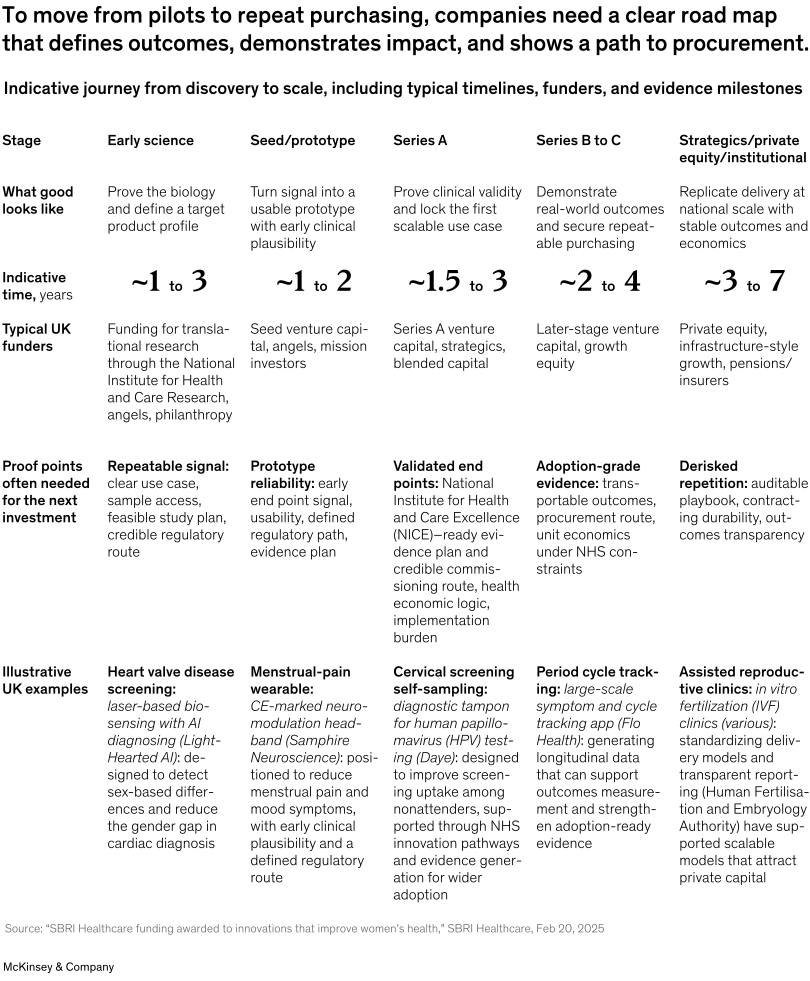
Start-ups could design with real buyers in mind. In the United Kingdom, that can mean the NHS: For example, a cervical cancer screening diagnostic tampon,83 a wearable headband that transforms menstrual pain through neuromodulation technology,84 or an endometrial cancer triage test85 are all supported by the NHS Innovation Accelerator. Another option could be through employer benefits, such as clinically led menopause management support86 or at-home fertility and hormone testing.87 Whether integrating into clinical services or workplace offerings, the goal is the same: to move from pilots to repeat purchasing, meeting users wherever they are. To attract follow-on funding at each stage (Exhibit 8), companies need clear, staged road maps that define measurable outcomes and clear study or pilot end points, demonstrate real-world and economic impact, and show a credible path to procurement or reimbursement.
Investors: Provide capital, manage adoption risk, and accelerate scale
Investors can help close the gap by funding the evidence bridge that unlocks efficacy innovation and care capacity that scales. Globally, women’s health attracts 6 percent of private healthcare investment, with women’s health-specific companies capturing less than 1 percent and funding skewed early stage, reinforcing the perception of risk.88 However, historical undertagging obscures the true scale of potential returns. New exit data challenges the “no liquidity” myth: A 2000–24 data set in the 2026 AOA Dx report identifies 276 women’s health exits totaling over $100 billion, with capital efficiency ratios ranging from 12 to 18 times for diagnostics and devices and five to six times for biopharma and digital health solutions. Strategic M&A has served as the dominant exit route (91 percent of exits), with numerous repeat buyers demonstrating a sustained, long-term commitment to women’s health.89 For investors, the opportunity is clear: Women’s health is a core healthcare growth market ripe to scale, not an impact-only category. Catalytic venture capital can also bring together specialist investors, strategic industry backers, and mission-oriented capital around high-unmet-need R&D—a blueprint already proven successful by initiatives such as the Dementia Discovery Fund.90
The investment opportunity is to back companies that can show clear, real-world results, and to work with scaling partners early so the most promising solutions can grow and reach wider adoption. The global IVF market offers one example of how alignment across science, outcomes transparency, reimbursement pathways, and scaled delivery can help scale an underserved area into an at-scale industry—though such conditions are not always easily replicated.91 In the United Kingdom, capital is moving toward service platforms that relieve system pressure, including specialist private gynecology clinics92 and scaled reproductive medicine delivery models,93 while growth funding has valued data-led platforms that can demonstrate strong consumer economics and defensibility.94 As shown in Exhibit 8, capital scales as evidence and adoption risks are removed in sequence, and the next funder-in-the-chain is comfortable underwriting the remaining risks. These examples show capital moving toward areas where the commercial model and adoption case are becoming clearer. The challenge is ensuring this does not stop at early proof points. Women’s health also needs specialist growth investors able to lead larger rounds and support companies through the transition from early traction to scale, rather than leaving them to stall or seek deeper late-stage markets overseas.
Philanthropy: Fund shared infrastructure, strengthen legitimacy, and protect equity
Philanthropy can accelerate progress by funding the shared infrastructure and upstream science that markets are unlikely to build first. This includes data standards, registries, independent evaluation, longitudinal cohorts, and early research in neglected conditions, making women’s health evidence more comparable, credible, and easier to adopt at scale.95 In areas such as endometriosis, fibroids, menopause, and other gynecological conditions, catalytic grants can help build the mechanistic evidence, disease models, and agreed end points needed for later diagnostic, therapeutic, and care-model innovation.
Philanthropy can also help ensure that scale improves equity, and to fund basic science on women’s health where markets are unlikely to enter. By making outcomes comparable across geographies and groups, catalytic funding can support models that expand access where need is greatest, not only where adoption is easiest. Outcomes-based approaches—such as the Zero HIV Social Impact Bond, which linked over 450 marginalized people to care that would have otherwise cost the NHS £90 million96—may offer a blueprint for derisking care delivery models, including women’s health hubs, and unlocking follow-on public and private investment.
Consumer: Expand trusted front doors, route to care, and support evidence generation
Consumer-facing channels can help address the care gap by meeting women where they already are in their daily lives. Pharmacies are increasingly acting as the first-line clinical provider for both time-sensitive conditions like urinary tract infections (UTIs) that disproportionately affect women97 and longer life-course needs such as menopause,98 with the ability to prescribe appropriate treatment directly. Grocery stores are using in-store and online shopping journeys to make menopause support, such as supplements for bone health, easier to find and less stigmatized.99 Health retailers are expanding access to specialist support through trained women’s health coaches and signposting or referrals into nurse-led advice services.100 The same high-street footprint has also begun to support closing the efficacy gap by becoming a recruitment engine for research, capturing real-world use in everyday settings women routinely visit.101 These “front doors” have real potential to meet women where they are, but especially in areas such as menopause they should be treated as an early access layer, not a replacement for clinical care, until stronger evidence and clearer standards reduce the risk of low-value wellness filling the gap.
Working with the NHS and research partners, consumer channels could evolve from access points to be integrated into system infrastructure. This could take the form of standardized women’s health triage and treatment bundles: For example, a cardio-risk bundle that pairs blood pressure checks with wearables and a pregnancy history screen to identify higher-risk women earlier and route them into prevention and NHS follow-up. With robust consent standards and clear governance, the same data could flow into NHS records and approved research data sets, so outcomes are trackable and evidence improves over time.
Close the gap, unlock the gain: Healthier years for women mean shared economic prosperity for the United Kingdom
Closing the women’s health gap represents one of the clearest opportunities to improve both population health and economic performance in the United Kingdom today. Understanding sex-based differences better allows everyone to benefit, not just women. Healthier years for women can strengthen families, support children, improve workplaces, reduce avoidable pressure on healthcare services, and benefit the wider communities in which women live, work, and care.
Everyone benefits from investing in women’s health:
- The healthcare case is clear. Fewer years lived in poor health and less avoidable pressure on healthcare services.
- The life sciences case is clear. Sex-aware development reduces late-stage uncertainty, strengthens benefit–risk confidence, and supports broader adoption of innovations in large disease markets.
- The employer case is clear. Earlier access to care and support improves women’s participation and performance at work.
- The start-up case is clear. Women’s health is an underserved, high-need market with rising visibility, clearer routes to adoption, and growing investor appetite.
- The investor case is clear. Large, underfunded markets with improving adoption conditions and proven exits make this an under-recognized growth opportunity.
- The consumer case is clear. Meeting women’s life-course needs builds trust, loyalty, and sustained engagement at scale.
- The philanthropy case is clear. Catalytic funding can deliver outsize impact for half the population.
For a UK health system founded on the principle of universality, closing the women’s health gap is integral to delivering on that promise. That means each stakeholder playing to its comparative advantage: the NHS as the standard-setter and scaling platform, life sciences as the evidence engine, employers and consumer channels as demand shapers, start-ups as the translators of biology into usable solutions, investors as the bridge builders, and philanthropy as the catalyst for shared infrastructure. The prize goes well beyond a GDP number—it can mean a faster, fairer route to years of healthier life for millions of women who are actively engaged in UK society.
Related Articles

Blueprint to close the women’s health gap: How to improve lives and economies for all

CARE for women: Investing in care delivery to improve women’s lives and livelihoods