Resourcing the protection of natural resources
The Dominican Republic, a Caribbean nation rich in biodiversity, has made significant strides toward the Kunming-Montreal Global Biodiversity Framework (GBF) targets. Between 2015 and 2022, the country increased net tree cover by 6.0 percent, growing at an annual rate of 0.8 percent. Yet challenges persist: Mangroves and tree cover continue to face degradation from natural disasters, coastal development, urbanization, and agriculture.
More than 100 countries have committed to the target of 30x30 proposed by the UN Convention on Biological Diversity to conserve 30 percent of the earth’s land and marine area by 2030. At the outset of this program, only 25.3 percent of terrestrial and 10.8 percent of marine areas were under protection, leaving major conservation gaps. With 96 percent of key biodiversity areas situated in protected zones, strengthening management of these lands presented an opportunity to safeguard ecosystems and generate significant economic value.
Collaborative governance for sustainable change
McKinsey partnered with the Dominican Republic’s Ministry of Environment and Natural Resources to establish a Conservation Center, led by the country’s newly appointed chief conservation officer, Jonathan Delance. McKinsey’s Nature Analytics team, part of ACRE—the firm’s advanced-analytics center for agriculture and nature and natural capital ecosystems—developed a robust fact base to track progress against GBF targets, estimated required investments, and identified sustainable financing mechanisms.

Jonathan Delance, chief conservation officer for the Ministry of the Environment and Natural Resources in the Dominican Republic, shares progress and proposals for the country’s nature conservation program with staff.
Creating economic value through environmental governance
The Nature Analytics team invested significant time on the ground, meeting with ministry officials and park rangers to validate findings. More than 100 interviews with rangers and administrators enriched geospatial analytics with real-world perspectives.
This work informed the creation of rigorous implementation protocols. Weekly transformation meetings with vice ministers fostered transparency and collaboration—long-standing challenges in the sector.
With the Conservation Center clearly communicating the potential value of its initiatives and actively soliciting feedback and ideas, we began to change stakeholders’ perspectives. Instead of thinking about us as a cost center, they now think of us as an investment opportunity.
Financing was a critical step for the program. A $750 million green bond helped launch the effort, complemented by additional revenue streams.
“Through our work on the voluntary carbon market, we identified a potential $62 million in revenue over five years, which will further support the financial sustainability of the 30x30 program,” says Delance.
He adds: “We need to reach $770 million over the next six years to fulfill program goals. We hope to surpass these funding requirements through the green bond, voluntary carbon credits, and a conservation fund allocation program, within the program’s lifespan.”
On-the-ground insights for breakthrough impact
The Nature Analytics team combined geospatial mapping with fieldwork to identify priority areas. Rangers shared practical challenges and resource needs—insights critical to program design.
“Park rangers saw McKinsey as a neutral party, which fostered trust and openness in their feedback,” says McKinsey Senior Partner Jimmy Sarakatsannis. “By engaging them, we were able to use the irreplaceable insights of those who had been on the front lines of this endeavor for decades. They were crucial for the success of this program.”
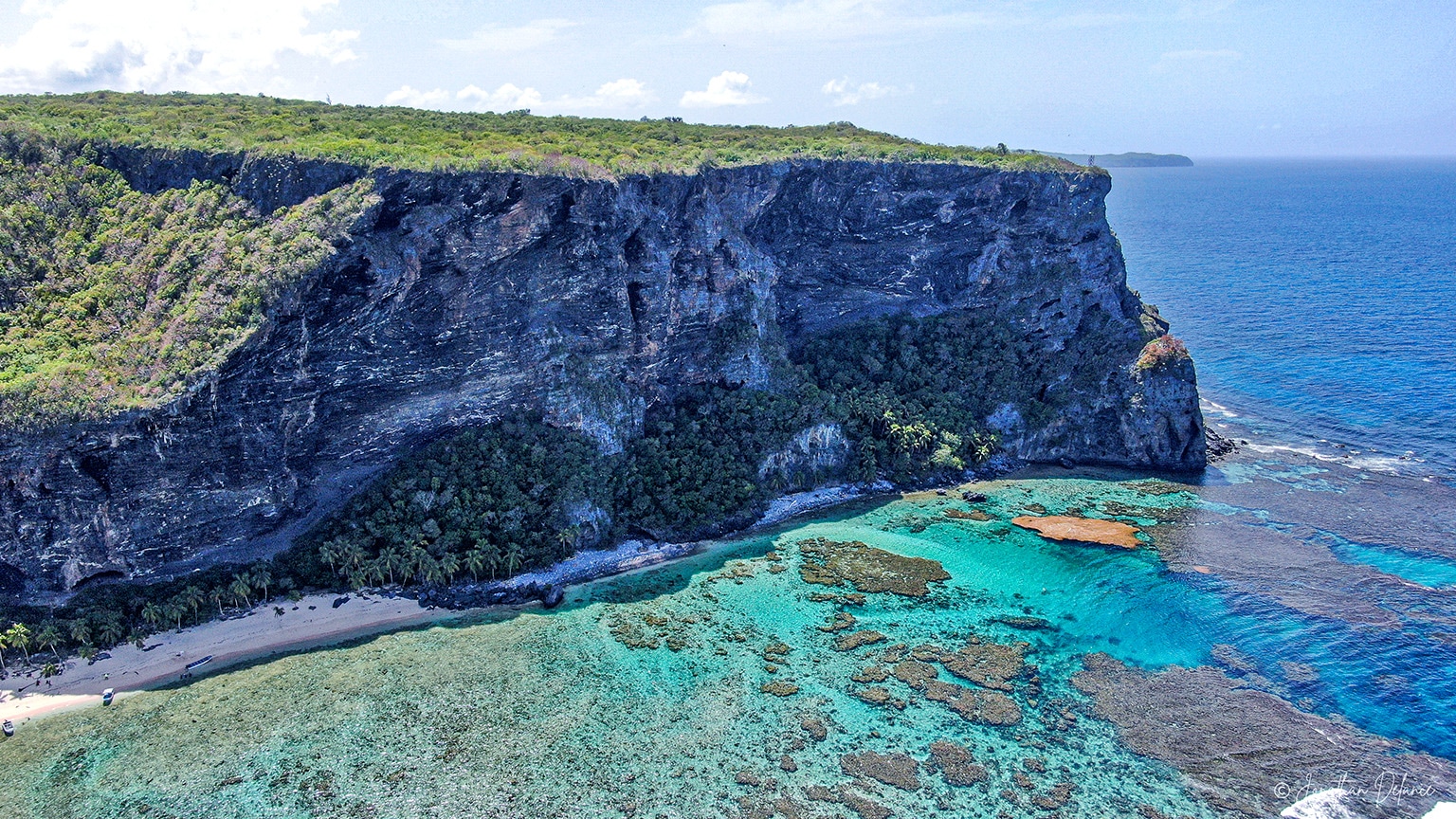
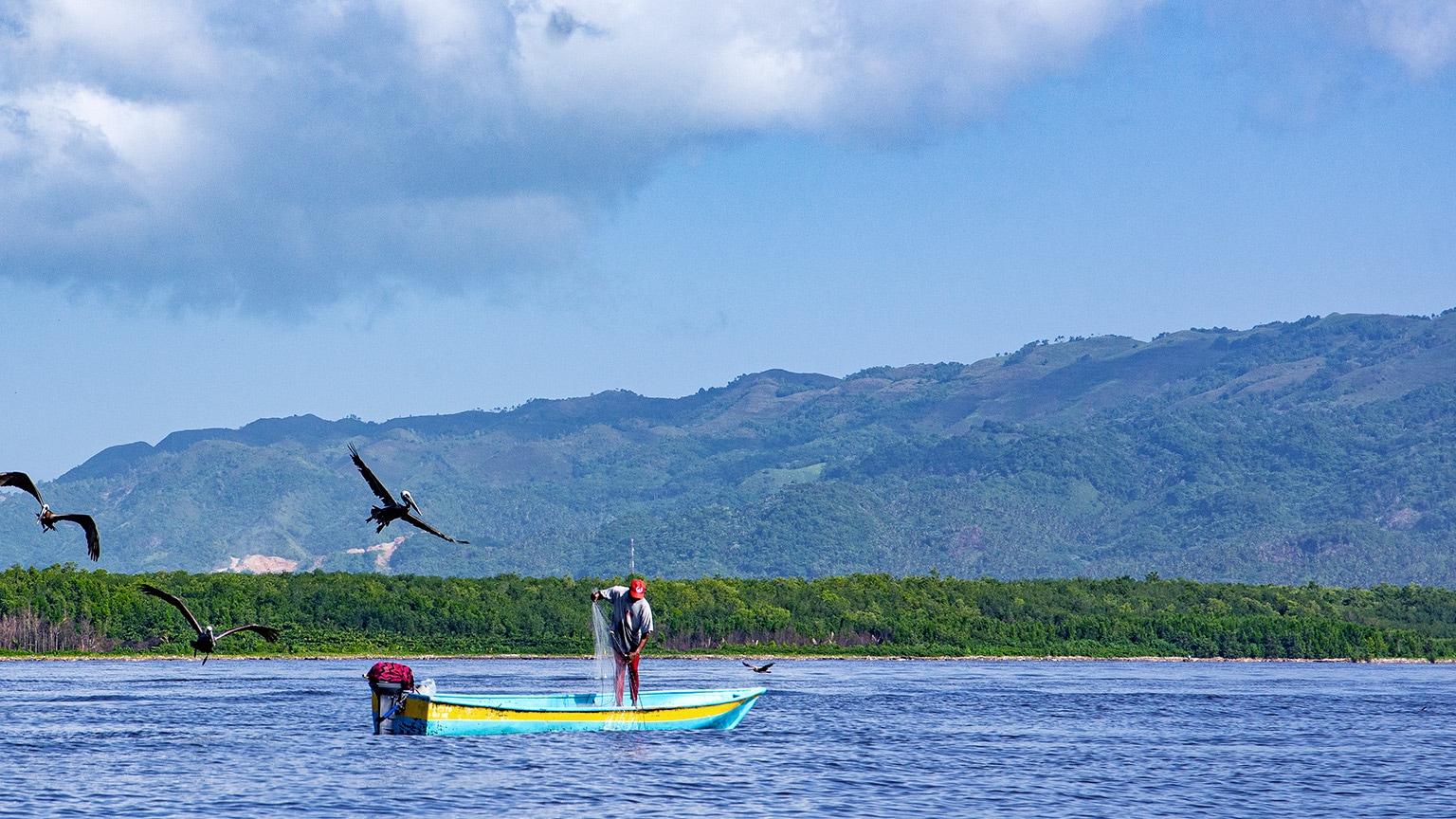
The diagnostic yielded more than 200 initiatives. Marine projects aim to prevent overfishing, protect coral reefs and humpback whale habitats, and safeguard 30.8 percent of marine territory, making the Dominican Republic the first Caribbean nation to achieve this GBF milestone. On land, efforts include 4,500 square kilometers of active and passive restoration by 2030 and the launch of a national park rangers training program to strengthen protected area management.
Safeguarding billions in value—and priceless ecosystems
The 30x30 Transformation Program is projected to generate $3.7 billion to $5.0 billion in value for the Dominican Republic. This includes:
The 30x30 program is projected to generate $3.7 billion to $5.0 billion in value for the Dominican Republic and create over 27,000 jobs in sustainable tourism, forestry, and agriculture by 2030. Beyond economics, more than 80 initiative leaders and 400 stakeholders were upskilled through training workshops, enabling the Ministry to sustain diagnostics, secure grants, and refine cost models over time.
“The Dominican Republic now has a way forward to becoming a leader in sustainability for the region while building its financial conservation investment potential,” says Delance, “making it a win for both the environment and the economy.”
Get in touch

Antonio Novas
Managing Partner

Jimmy Sarakatsannis
Senior Partner
Related Case Studies

ECCBC bets big on operational and performance excellence to expand into new markets—and become a reference for the industry

How Apple is helping unearth a path toward increasing the global use of circular materials

Adding a powerful new tool to the field mechanic’s toolbelt: AI
