The importance of nurse managers is particularly salient today, as clinical-care organizations face growing patient volumes amid a nursing shortage in the United States that could hit about 400,000 by 2030. Prioritizing nurse managers can build a more resilient and engaged workforce. A recent McKinsey survey revealed that feeling undervalued by leadership or the organization are major reasons for frontline nurses’ intent to leave, behind only seeking a better job. Healthcare systems could save $400 million–$700 million annually by reducing frontline-nurse turnover through strengthened manager support, note Senior Partner Gretchen Berlin and coauthors.
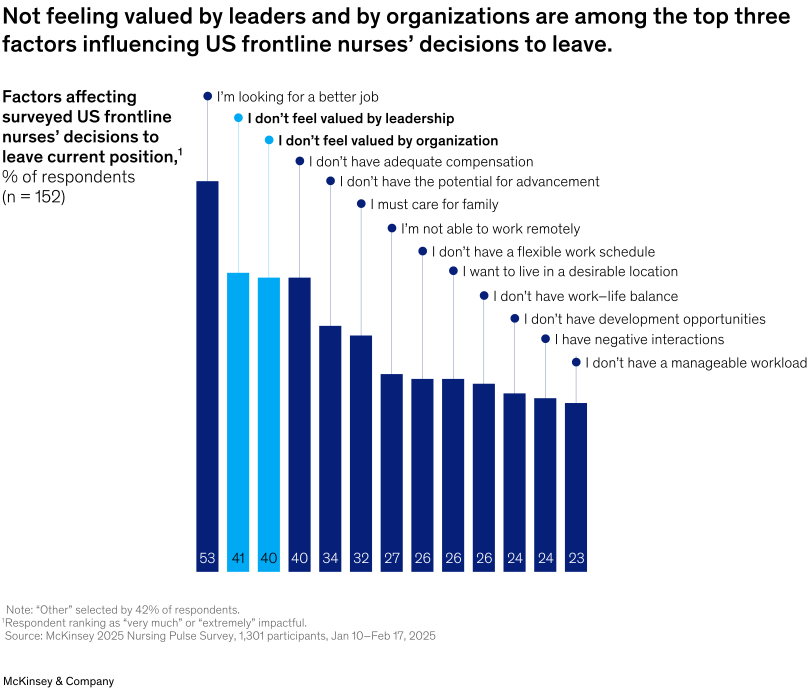
Image description:
A bar chart shows the factors affecting surveyed US frontline nurses’ decisions to leave their current position. Fifty-three percent responded that they are looking for a better job, 41% said that they don’t feel valued by leadership, 40% responded that they don’t feel valued by their organization, 40% said that they don't have adequate compensation. Thirty-four percent responded that they don’t have the potential for advancement, 32% responded that they must care for their family, 27% responded that they are not able to work remotely, 26% responded that they don’t have a flexible work schedule, 26% responded that they want to live in a desirable location, and 26% responded that they don’t have work–life balance. Twenty-four percent responded that they don’t have development opportunities, 24% responded that they have negative interactions, and 23% responded that they don’t have a manageable workload.
Note: This image description was completed with the assistance of Writer, a gen AI tool.
Source: McKinsey 2025 Nursing Pulse Survey, 1,301 participants, January 10–February 17, 2025.
End of image description.
To read the article, see “Nurse managers: The backbone of a strong nursing workforce,” May 6, 2025.