This interview is part of the Leading Asia series, which features in-depth conversations with some of the region’s most value-creating leaders on what it takes to realize bold ambitions and take them further.
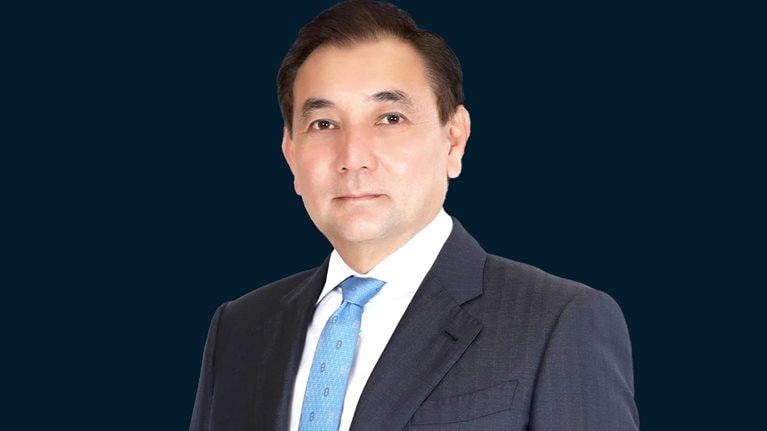
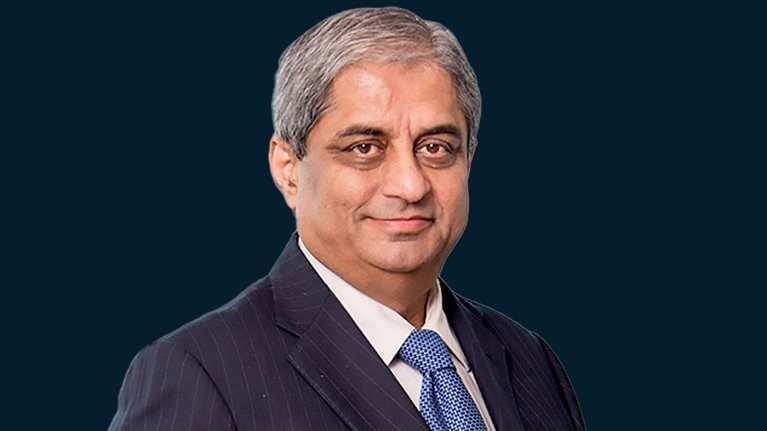
In this Leading Asia interview, Seok Cho, the vice-chairman of HD Korea Shipbuilding & Offshore Engineering and former CEO of HD Hyundai Electric, talks to Wonsik Yoo, a McKinsey senior partner in Seoul. He reflects on guiding the power and electrical equipment maker out of financial doldrums to become a leading energy solutions company, and on his leadership style while at the company.
Seok Cho joined HD Hyundai Electric as its first external CEO in 2019, after an extensive career in public service. During his tenure, he transformed the company from a traditional electronic equipment manufacturer into a comprehensive energy solutions provider. He was renowned for his bold decision-making and boosting staff energy and morale—all of which, he tells us, was grounded in joy for his job.
Wonsik Yoo: When you first joined HD Hyundai Electric, the company was in a challenging state. How did you motivate everyone in the organization to move forward?
Seok Cho: When I joined, there was a persistent disconnect between two of our core teams, each with very different KPIs. The company had several product lines, but our main focus was on made-to-order power equipment, which required close coordination across functions.
The sales department believed that it was acceptable to make concessions on delivery deadlines or prices to secure more orders, while the factory department tended to raise its requirements in pursuit of more generous lead times and higher prices. When market conditions became challenging, it created tension and frequent blame-shifting between the two sides, which in turn eroded trust and strained communication.
I decided to take a firm approach to break that cycle. We made open communication and transparency a priority, encouraging both teams to focus on understanding the rationale behind decisions rather than defending their own positions. Many issues were resolved through this mutual understanding. We also began evaluating leaders based on their ability to communicate and collaborate effectively—and I took strict measures when executives failed to do so.
Wonsik Yoo: Can you tell us about your approach to leadership?
Seok Cho: I describe my approach to leadership as a harmonizer. A harmonizer assesses whether the organization is losing its balance and ensures that no single area becomes too dominant. My strengths and joys are planning, building consensus, driving initiatives, and thinking about collaboration.
Another key aspect is tolerance, which includes the ability to accept failure and embrace diverse viewpoints. I believe balance and tolerance are fundamental attitudes for all leaders to adopt.
For instance, if someone represents a minority opinion but their perspective is necessary to maintain a balance, it’s important to support them. If the majority is pushing for something that disrupts balance, it’s the leader’s role to step in and correct it. Similarly, if someone presents a unique idea that ultimately doesn’t work out, there must be a process to accept and learn from it.
However, balance and tolerance alone are not enough to make a leader. A leader must go beyond these qualities to articulate a clear vision, foster growth, and define the values and purpose that guide the organization. This includes addressing fundamental questions, such as why the organization exists and what motivates its members to be part of it.
We’re living in what is often referred to as the era of energy transition—or, in our sector, the era of the electric revolution. This core paradigm shift underpinned our thinking.
Wonsik Yoo: You drove HD Hyundai Electric forward by transforming it from a traditional machinery and manufacturing company into an energy solutions provider. This required making difficult decisions. How did you decide which were the right ones?
Seok Cho: We’re living in what is often referred to as the era of energy transition—or, in our sector, the era of the electric revolution. This core paradigm shift underpinned our thinking.
But, while vision set the direction, we also had to make many tough decisions. For example, we acquired Plaspo, which was a small company that specialized in power conversion switches [PCS], when the company wasn’t in great shape. However, the rise of renewable energy sources made PCS devices critical, and without Plaspo’s capabilities, we would have been less competitive.
Ultimately, this was my perspective: In most companies, when it comes to M&A or similar strategic decisions, usually only a small core group is involved. In contrast, at HD Hyundai Electric, I made it a point to share such information with all executives at the division head level or above. Resistance often stems from people feeling excluded or fearing their role will become obsolete. By ensuring open communication, we were able to reduce misunderstandings.
Wonsik Yoo: How did you drive innovation within the company?
Seok Cho: I noticed a significant shift in mindset taking place in the company. In the past, whenever we had tried to innovate or change something, the first reaction often had been to dismiss ideas based on what hadn’t worked previously. The approach shifted to asking whether there was a global benchmark. Of course, creating something entirely new would have been ideal, but often it was incredibly challenging.
The employees started to ask, “What’s the global standard for this? Are there data to support this approach or any case studies we can reference?” The thinking changed from looking backward to looking outward and forward.
Wonsik Yoo: For CEOs, one of the biggest challenges is identifying the right people, training them, and preparing them for key positions in the future. What was your philosophy on talent management and leadership development?
Seok Cho: When I first joined the company, I noticed that the executives and senior leaders were strong in technical knowledge but less familiar with market trends, such as electrification and the energy transition.
To address this, we focused on increasing educational opportunities and continually emphasizing their importance—so much so that it became difficult to find an executive who hadn’t attended at least one program.
I also shifted technical discussions to strategic ones. For example, instead of asking technical questions like “Are we developing GIS [gas-insulated switchgear] in the right direction?,” we switched to asking, “What should the strategic direction be for GIS, given current market conditions?” This represented a process of elevating the organization’s thinking through effective agenda setting, which brought critical topics to the table and steered the conversation.
[On nurturing future leaders,] the Hyundai Group already had a well-established HR framework for identifying and developing successors, and we continually refined that structure. I followed the group’s established framework and delegated decision-making to the relevant leaders. Even if I thought someone had great potential, I seldom overruled the judgment of senior executives or division heads, because it wouldn’t work if there wasn’t chemistry between the leader and their team.
If you don’t genuinely enjoy what you’re doing, it’s hard to sustain it.
Wonsik Yoo: It must not have been easy to maintain your energy levels and commitment as CEO over the years. Do you have any personal tips for sustaining that drive?
Seok Cho: If you don’t genuinely enjoy what you’re doing, it’s hard to sustain it. At HD Hyundai Electric, I was more interested in organization management. That didn’t just mean having exceptional skills or abilities in this area; it meant that I genuinely enjoyed the role.
For me, spending time with employees, engaging in discussions and collaborating with them was energizing. Sometimes I even dived into technical issues, asking questions and having conversations, as I found that process fun.
The more candid conversations happened in casual settings, such as over meals instead of during meetings, and it was in these informal settings that I found the most joy. For the organization to move forward, team members needed to be able to open up and freely share their challenges.