Two missions, one merger: Scaling impact in the veteran not-for-profit sector
A volunteer mission of The Mission Continues and Travis Manion Foundation
In the two decades following 9/11, hundreds of veteran service organizations emerged across the United States—creating a rich but increasingly fragmented ecosystem of support. Amid competition for resources and overlapping missions, many organizations faced a common challenge: how to sustain impact at scale.
Rather than navigating this landscape independently, the Travis Manion Foundation (TMF) and The Mission Continues (TMC) took an uncommon step: combining forces. With support from McKinsey, the two organizations pursued a merger—ultimately resulting in TMF’s acquisition of TMC—designed to expand their reach and strengthen long-term sustainability.
Both organizations helped veterans find continued purpose through large-scale community service projects—though with different programs, geographies, and approaches. A successful merger could help them preserve their mission, expand their combined footprint, and ensure long-term viability.
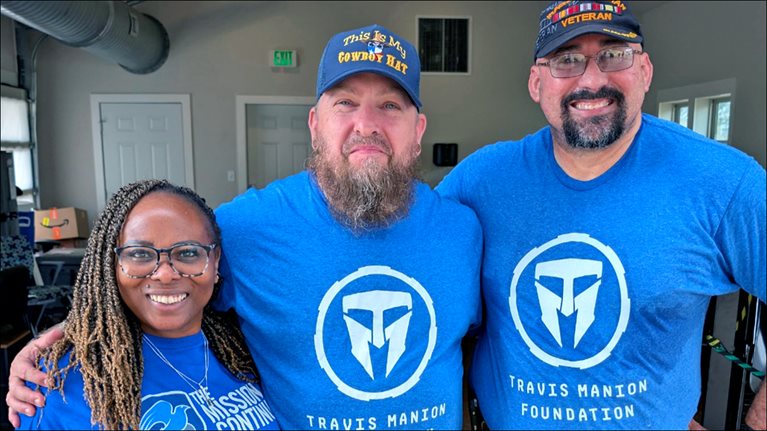
Despite their shared focus on supporting veterans and communities, a smooth and successful integration was not a given. McKinsey brought leadership teams from both organizations together to assess the long-term viability of each organization—individually and combined—across finances, programming, and operations.
“The needs of the veteran community—and the pressures on nonprofits—have evolved,” shares Len Kortekaas, who was board chair at The Mission Continues and is now a board member of the newly integrated Travis Manion Foundation. “This merger wasn’t just about efficiency; it was about building a platform that could deliver greater impact than either organization could achieve alone.”
Applying M&A rigor to a mission-driven merger

McKinsey helped orchestrate what would become one of the first major integrations of veteran-focused not for profits. From detailed financial diligence and cash runway analysis to future-state modeling, the team standardized financial structures, assessed sustainability scenarios, and built a fact base that clarified what a combined organization would require to succeed.
“We applied the best of private sector mergers and acquisitions—from diligence to deal structuring to integration planning—in a space where that level of rigor is rarely accessible,” explains Steve Miller, a former McKinsey partner who led the engagement.
Integrating missions, programs, and models of service
Travis Manion Foundation invests in veterans and families of the fallen, empowering them to continue leading through youth mentorship and service in their communities. The Mission Continues connects veterans with underresourced communities, helping them collaborate with not-for-profit partners to serve.
Both organizations operated decentralized, veteran-led community service networks in about 45 locations each. Combined, TMF chapters and TMC “service platoons” expanded TMF’s reach to 60 locations by increasing the number of volunteers and service events each year.
McKinsey facilitated structured working sessions that brought stakeholders from both organizations together to codesign the future operating model and create a sustainable, unified approach that honored both organizations’ values while minimizing disruption to ongoing programs and beneficiaries.
To determine where and how to scale impact, McKinsey conducted a detailed footprint analysis, mapping each organization’s geographic presence and identifying areas of overlap and opportunity. In regions where only one organization operated, the other organization brought its capabilities to expand reach. In overlapping markets, leaders evaluated how to combine strengths rather than duplicate efforts—ensuring resources were directed where they could create the greatest community impact.
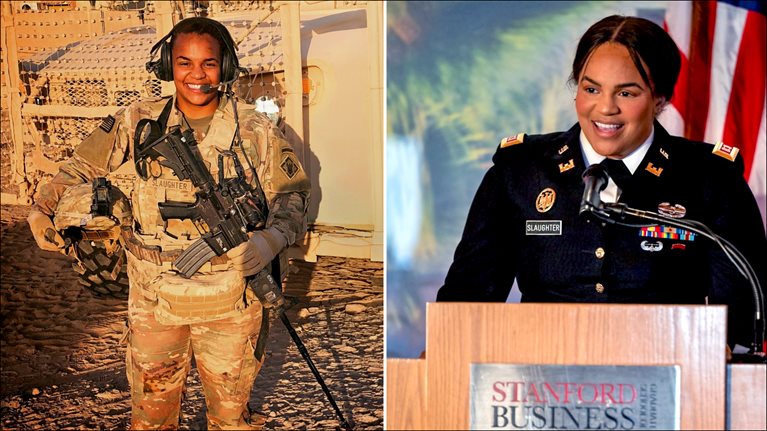
“What made this integration challenging wasn’t just structure—it was culture. Each organization had a distinct identity and way of serving, so the work was about keeping what mattered most from both while building something cohesive and sustainable,” says Amy Slaughter, a McKinsey associate and veteran of the US Army.
The result was a combined organization that effectively doubled its community impact funding base while preserving the core elements that made each legacy organization distinctive.
Personal purpose meets professional impact
Several McKinsey team members were military veterans with firsthand experience both receiving and delivering services through veteran service organizations.
Rather than relying solely on quantitative analysis, the team brought a lived understanding of what drives impact in the veteran community. Having operated across the ecosystem—as service members, program participants, and volunteers—they could assess not just what worked on paper but what would resonate in practice.

As the combined organization evaluated which initiatives to scale, adapt, or deprioritize, McKinsey’s veteran team members provided grounded, qualitative insight into which programs—leadership development, community service engagement, or support for families of the fallen—would matter most in each context.
In moments where cultural sensitivity was essential, such as discussions of legacy, identity, and service, the presence of veterans on the team built trust. They could translate between perspectives, anticipate concerns, and guide conversations in a way that respected both organizations’ histories while enabling forward-looking decisions.
“Because we served in and worked with veterans’ organizations, we brought a perspective beyond the data that strengthened McKinsey’s M&A integration playbook,” says David Laszcz, who served in the US Marine Corps before becoming a McKinsey associate. “We understood how these programs show up in people’s lives, so we could keep integration decisions grounded in real impact.”
Today, the newly integrated Travis Manion Foundation is positioned to serve veterans at greater scale, with more consistency and impact. With a unified platform, the organization can allocate resources more effectively, strengthen local engagement, and expand programming—ensuring that more veterans and families have meaningful opportunities to lead and serve.