Finding new ways to grow
Kentegra Biotechnology, a US-Kenya biotech company that specializes in the production of organic insecticides, has built its business model around the responsible stewardship of natural resources.
As Kentegra prepared for the next phase of its growth, the company faced a significant challenge: determining how to grow sustainably during a successful fundraise while maintaining its longstanding commitment to eco-friendly farming practices and to its partner farmer communities.
Understanding the strategic options for our growth pathway was critical in ensuring we not only expand our market presence but also deepen our social impact in a sustainable way that forms a symbiotic relationship between impact and business sustainability.
Our firm began working with Kentegra through Manufacturing Africa , a flagship economic program developed with McKinsey and funded by the UK government and the UK’s Foreign Commonwealth and Development Office (FCDO ). The program has facilitated over $2.6 billion in foreign direct investment into African manufacturing and has created more than 110,000 jobs in Kenya, Senegal, Nigeria, Tanzania, Rwanda, and Ethiopia.
Kentegra and MA are working together to identify how to expand the company’s operations and Kentegra’s attractiveness to investors while also augmenting the company’s positive impact among its partner farmers’ communities in Kenya and beyond.
At an individual level, the impact of a secure wage and regular work can be even more profound for families: Children in school; families with access to formal medical care for the first time; and access to a career path which can change the trajectory for an entire family.
Strategic growth analysis and fundraising support
McKinsey collaborated with Kentegra to identify and evaluate the most promising growth options, while ensuring that the company could effectively communicate its mission and impact to potential investors. The project involved a comprehensive commercial diligence analysis that assessed vertical, horizontal, and geographic expansion opportunities. This meant potentially expanding product lines, manufacturing plants, and markets for pyrethrum across Africa and into partner farm communities who would also benefit from Kentegra’s growth.
McKinsey conducted a detailed market analysis for pyrethrin extract buyers to better understand how to maximize the value of each phase of the process. This included examining the feasibility of backward integration with Kentegra’s suppliers to gain end-to-end transparency and to benchmark potential enhancements to product quality and consistency.

Environment, Social, and Governance (ESG) empowerment
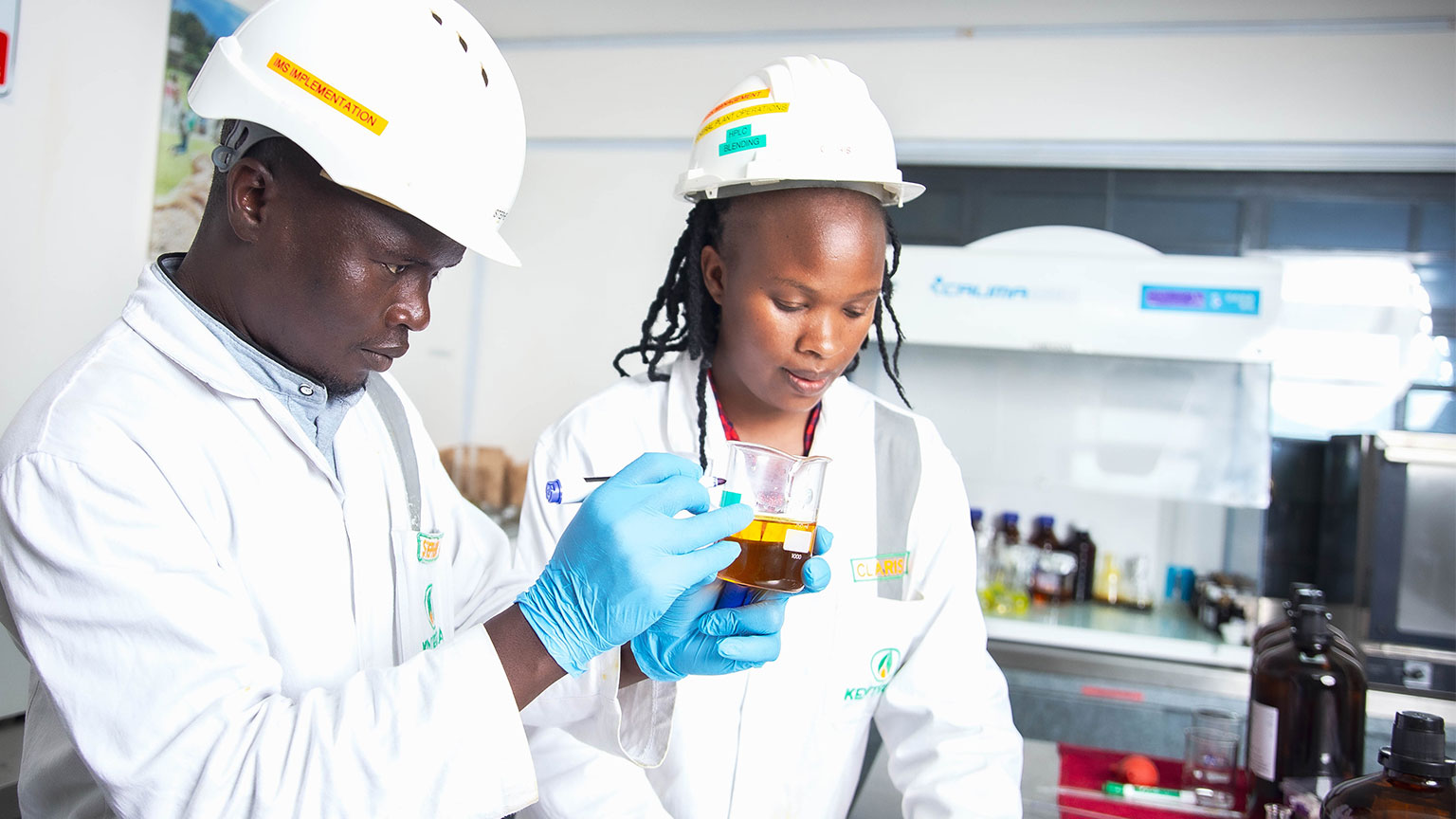
Kentegra worked with McKinsey to improve its approach to Environment, Social, and Governance (ESG) reporting and corporate finance strategy.
“We were able to refine our investor materials and ESG reporting, ensuring that we effectively communicate our mission and impact,” says Linda Capwell, Kentegra head of marketing, communications, and investor relations.
Kentegra’s widening impact
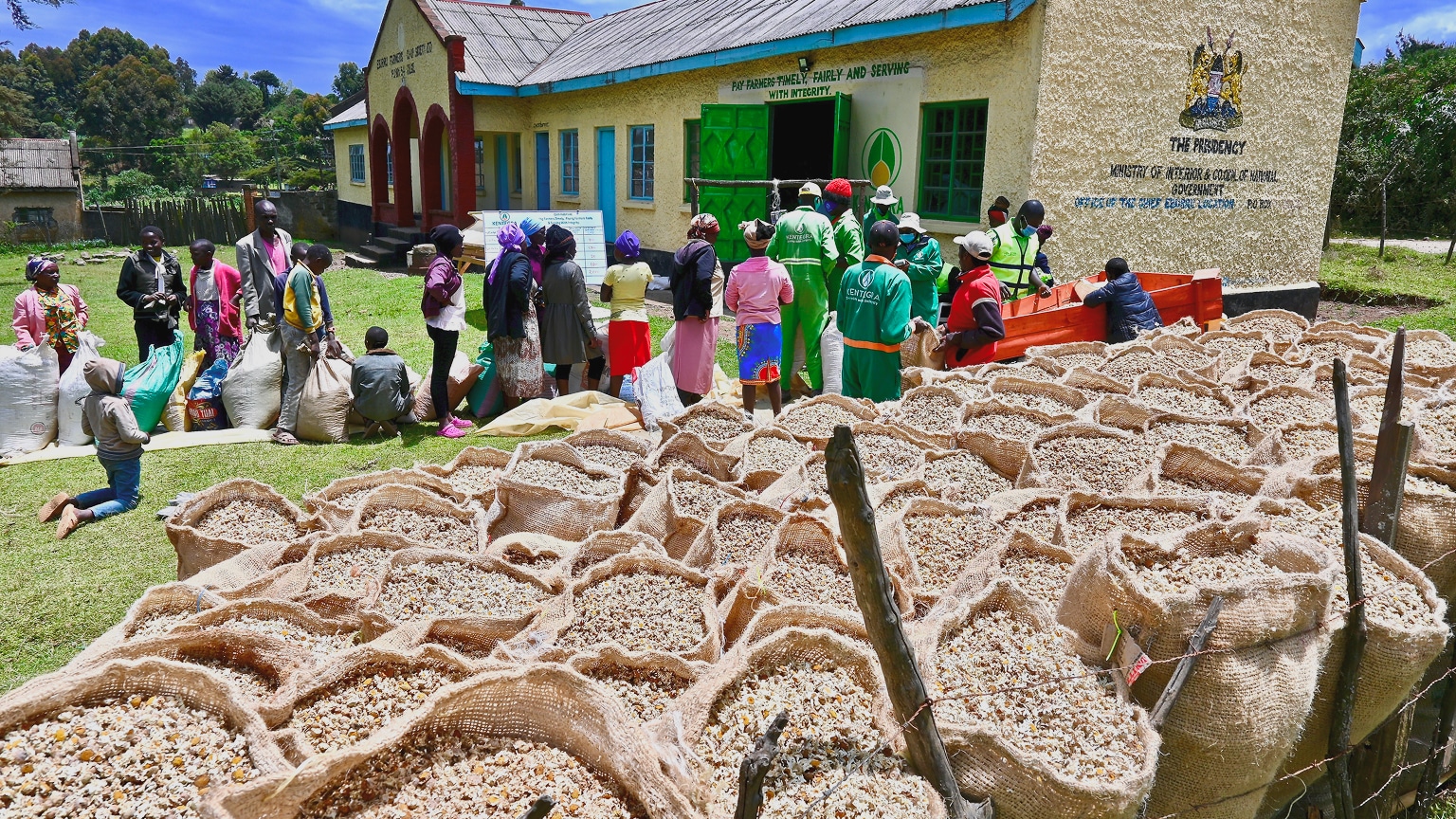
A significant part of the project involved capturing the true, on-the-ground impact of Kentegra’s operations. This included mapping the social and environmental benefits of the company’s activities, such as local job creation and revitalizing farming communities. Kentegra had also previously adopted efficient irrigation techniques to conserve water, integrated renewable energy sources like solar, and consolidated its flower collection centers to reduce emissions and build a more sustainable supply chain.
“These activities demonstrate our proactive approach to adapt to climate change. From regular energy audits to an agroforestry program offsetting our facilities’ carbon emissions, working with McKinsey to highlight these efforts for investors will make a continuing impact on our ability to fundraise,” says Linda.
Growth with societal benefit
McKinsey also supported Kentegra in developing a comprehensive commercial diligence strategy for inclusive growth. McKinsey’s support also helped attract investors.
“Manufacturing Africa is a program which builds the scale and resilience of African manufacturers by helping them secure the investment they need to grow. The idea is that by improving access to formal jobs at MA- supported manufacturers, workers who transfer from the informal sector will have access to better jobs, higher incomes, and greater legal protections,” says Thomas Pascoe, Manufacturing Africa Team Leader.
“We want to collaborate with firms which take their social role seriously and are development drivers in their regions. Kentegra is a firm that thinks deeply about this and has a compelling commercial proposition alongside, so that’s why it was a great candidate for MA support,” says Thomas.
Creating economic growth for local communities and farmers
With an enhanced growth strategy and improved fundraising support, Kentegra now has a clear path forward to grow its financial and operational capabilities while continuing to drive societal benefits in the regions where it operates. The enhanced financial model and investment memorandum developed by McKinsey have been instrumental in Kentegra’s successful efforts to raise additional capital toward expansion.
Kentegra’s farmer partner community has continued to grow in the thousands since 2021. The new funds will help triple factory capacity, so that more than 90,000 farmers will be contributing materials to Kentegra’s operations as the company continues to scale. Kentegra’s expansion has predominantly involved hiring local personnel, which has had a direct and positive impact on the communities surrounding their operations. Jobs in the manufacturing sector often come with higher wages and offer more stable career paths, providing residents with consistent cash flow and improved quality of life.
Strengthening the supply chain
The improved business model has also enhanced the consistency and quality of Kentegra’s buyer-seller relationships, ensuring a reliable and sustainable product supply. This is crucial for maintaining customer trust and satisfaction, as well as for meeting the high standards required in the biotechnology industry. Through farmer training and the regeneration of local communities, Kentegra is fostering a more resilient and sustainable ecosystem. These initiatives are designed to empower local farmers, improve agricultural practices, and ensure the long-term viability of the region’s economy.
Kentegra’s achievements are part of MA’s results over the past five years, including 110,000 new direct and indirect jobs to be created; $2.6 billion of foreign direct investment (FDI) for Africa’s manufacturing sector; and the identification of a pipeline of $22 billion in potential investments in Kenya alone.
“At a national level, we are helping shape and find finance for champions in the manufacturing sector that can compete on a world stage and want to do so in a way that protects their local ecosystems and elevates the communities they serve.
“At an individual level, the impact of a secure wage and regular work can be even more profound for families: Children in school; families with access to formal medical care for the first time; and access to a career path which can change the trajectory for an entire family. I have worked in development for a dozen years and never come across a team so impact-driven and effective as the one McKinsey has put together on Manufacturing Africa. It’s a privilege to be involved with the Kentegra project and with all MA projects that have such an incredible impact on people’s lives,” says Thomas.

Connect with our Public Sector Practice
Related Case Studies

How Apple is helping unearth a path toward increasing the global use of circular materials
Made in Africa: Catalyzing stronger, sustainable, and inclusive economies