The robotics field is pivoting toward general-purpose robots. Foundation models, which identify patterns that allow robots to perform multiple tasks, could improve their dexterity, according to Partner Ani Kelkar and coauthors. Classical techniques have been sufficient for safety and remote assistance, while traditional machine learning techniques can nearly achieve human-like capabilities in mobility, such as arm movement and balance. And now, researchers are developing multimodal foundation models that would allow robots to perform actions based on visual inputs and spoken commands.
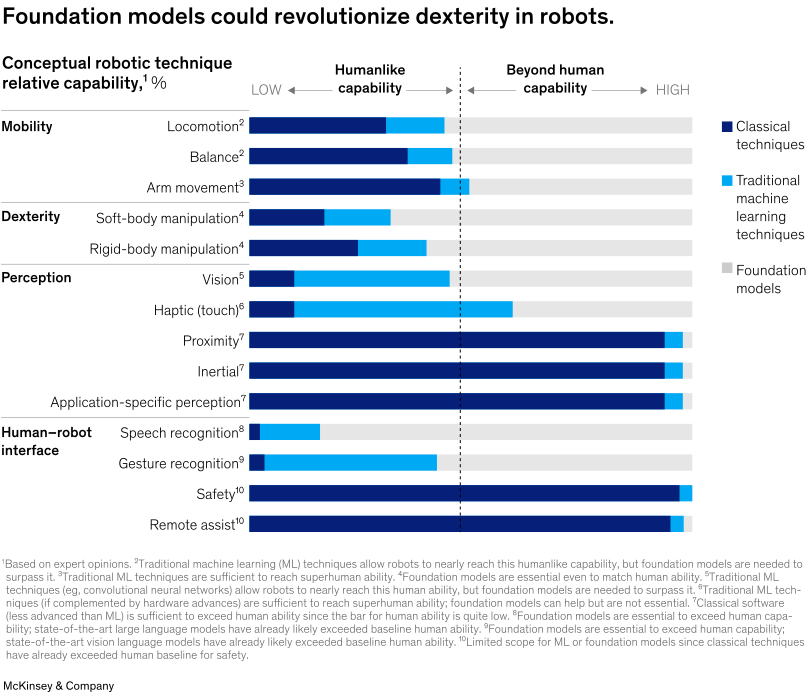
Image description:
A horizontal bar chart compares the relative capabilities in robotics of classical techniques, traditional machine learning techniques, and foundation models across various conceptual techniques, categorized into mobility, dexterity, perception, and human–robot interface. The chart shows that classical techniques are generally low in humanlike capability, while traditional machine learning techniques and foundation models have varying levels of capability across different techniques. For mobility, traditional machine learning techniques and foundation models have significantly higher capabilities than classical techniques, with locomotion and balance reaching beyond human capability. For dexterity, foundation models are essential to match or surpass human ability in soft-body and rigid-body manipulation. In perception, traditional machine learning techniques and foundation models have higher capabilities than classical techniques, with haptic (touch) perception reaching beyond human capability. For human–robot interface, foundation models are essential to exceed human capability in speech recognition and gesture recognition. Overall, the chart suggests that foundation models have the potential to revolutionize dexterity in robots by enabling them to surpass human capabilities in various areas.
Note: This image description was completed with the assistance of Writer, a gen AI tool.
End of image description.
To read the article, see “A leap in automation: The new technology behind general-purpose robots,” July 28, 2025.