Our mission is to provide a fact base to aid decision making on the economic and business issues most critical to the world’s companies and policy leaders.
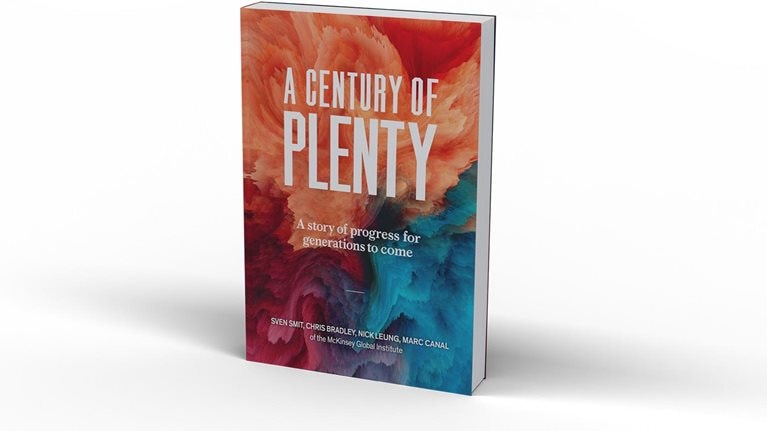
This book, a major research effort from the McKinsey Global Institute, explores the advances of the past century and what drove them—what we call the progress machine.
Join the McKinsey Global Institute for discussions on our latest research, featuring presentations, panels, and Q&A with MGI leaders and other experts.
Media Center
Reports issued by the McKinsey Global Institute are often cited in international media, and MGI authors frequently contribute to leading business publications.
For all the constant buzz around AI, broad-based announcements about how AI has boosted profits are noticeably missing. The reason for this loud silence: it hasn’t happened—yet. AI is not an immaterial vapor hovering above the economy. The models that will power future change run on a foundation of physical inputs: cables, turbines, chips, and copper. These are bought and sold all over the world. This is why the one area AI is having a measurable effect on trade, write Olivia White and Tiago Devesa.
This time of year, many leaders find themselves in a familiar position. A child. A niece or nephew. A friend’s son or daughter. A new graduate reaching out for advice. The question sounds simple: “What advice do you have for me as I start my career?” But this year, it carries more weight than usual. Because the world they are entering is changing faster than the one we entered. And almost everyone can feel it, writes Kweilin Ellingrud in Forbes.
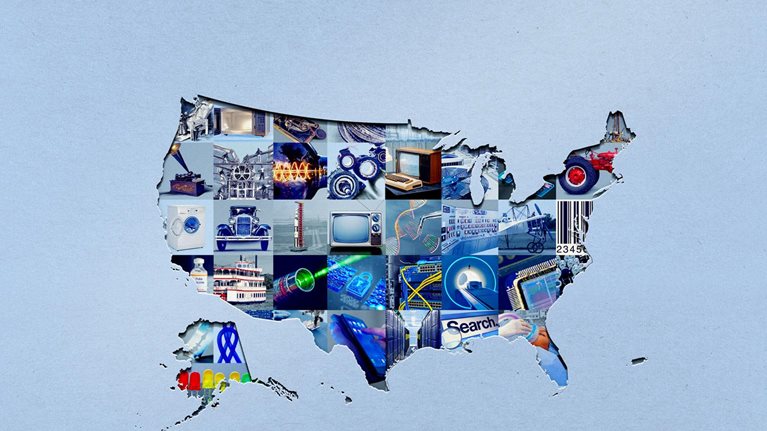
For 250 years, America has done something no other country has managed at comparable scale: it has not merely invented the future, it has built it. Many of the foundations of modern life are distinctly American, write Eric Kutcher, Shubham Singhal, Olivia White, and Scott Blackburn in Fortune.