Fresh insights for the weekend

| | | | | | |
Click to get this newsletter once a week |
| |
| |
|
| | Brought to you by Alex Panas, global leader of industries, & Becca Coggins, global leader of functional practices and growth platforms
| | | | | | |
|
| | | | This weekend, explore the future of healthy living, the new shape of travel planning, and more.
| | |
| | |
| | Healthy living isn’t just a wellness goal—it’s an economic opportunity. Addressing modifiable health risks could add 12 years to healthy global life expectancy and $16.4 trillion to the world economy by 2050. Hemant Ahlawat, Lars Hartenstein, Panco Georgiev, and Kristina Durcakova break down why healthy living is a cross-government imperative, and how leaders can act on it. | | | |
| |
| | The travel consumer journey today is less of a linear path and more of an orbit. The journey before the journey now meanders through social media, AI tools, and booking sites and spans an average of 65 touchpoints. Alex Gersovitz, Jules Seeley, Kelly Ungerman, Margaux Constantin, Ryan Mann, Vik Krishnan, and coauthors explore how travel companies can earn travelers’ attention and trust at every turn—from first inspiration to well after booking. | | | |
| |
| | Being in the right market doesn’t guarantee a higher valuation. What companies do with that opportunity matters. Kevin Laczkowski, Matt Banholzer, Ryan Davies, and coauthors examine what sets “accelerator” companies apart—and the four actions they use to translate market opportunity into lasting value. | | | |
| |
| | Why do so many transformations stall, even with the right strategy in place? The answer may lie in human dynamics. In a recent episode of The McKinsey Podcast, Kurt Strovink and Mathew Lee unpack five collective-action problems that can inhibit transformation success and why CEOs are uniquely equipped to spot and solve them. | | | |
| |
| | | |
| |
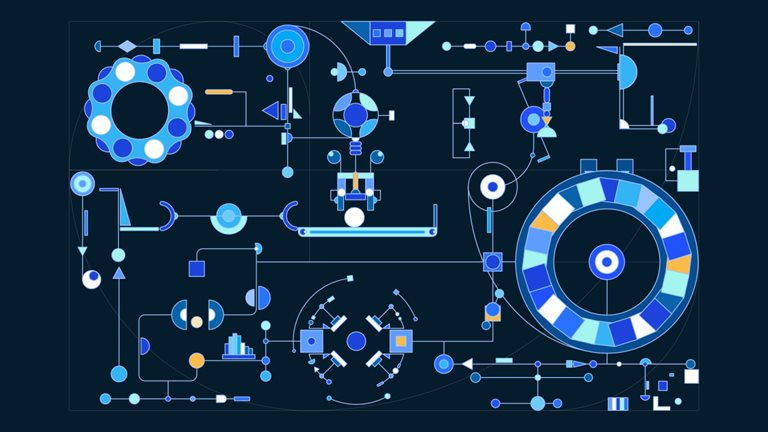
| | | | | AI is getting more expensive for companies. As rising token usage and workflow complexity make costs harder to predict, leaders need new ways to manage AI economics. | | Get your Five Fifty  | | | |
|
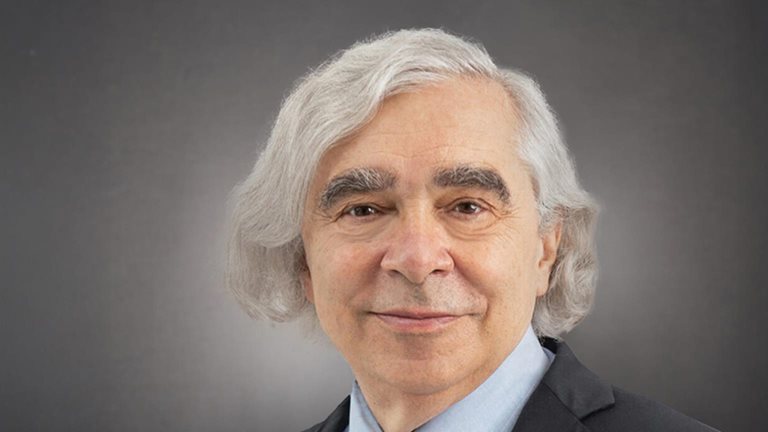
| | | | | The physicist and policymaker says the coming decade will be defined by a race for electrons—and that nuclear power, grid investment, and new public–private models will be part of the picture. | | Explore the race for electrons | | | |
|
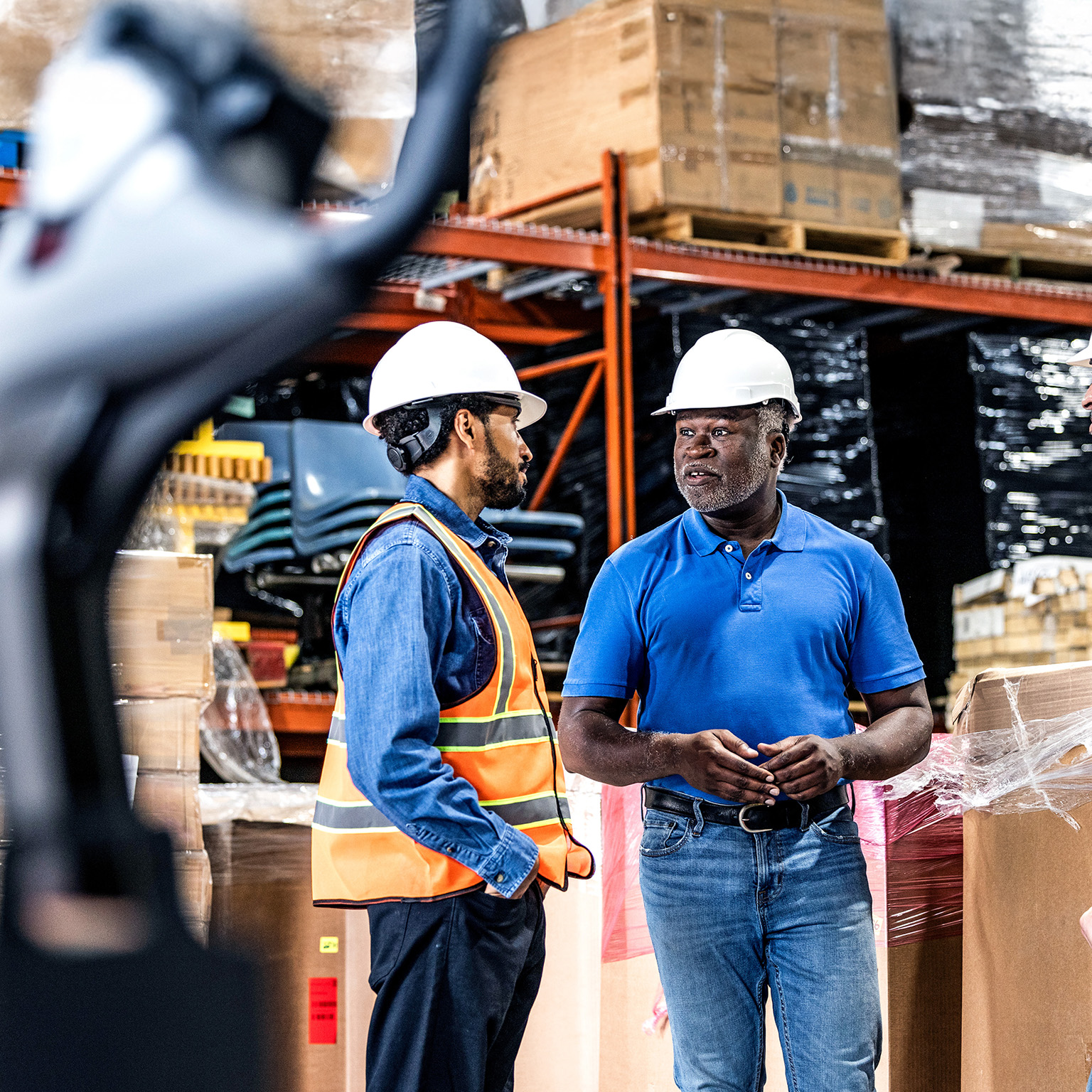
| | | | | AI could improve both safety and productivity by anticipating problems before they arise, detecting worker fatigue, and automating dangerous tasks. | | Put AI to work on safety | | | |
|
| | | —Edited by Nadia Wynter, editor, Washington, DC
| | |
| | | | |
|
|
|
Copyright © 2026 | McKinsey & Company, 3 World Trade Center, 175 Greenwich Street, New York, NY 10007
|
|
|
|