| | | | | | |
Click to get this newsletter twice per month |
| |
|
| |
|
| | Brought to you by Alex Panas, global leader of industries, & Becca Coggins, global leader of functional practices and growth platforms
| | | | | | |
|
| | | | Executives face growing pressure to sustain their organizations’ competitiveness through transformations. But McKinsey research shows that only 30 percent of these initiatives deliver the value their leaders expect. This week, we look at how CEOs can avoid pitfalls that derail transformations—and lead their organizations to lasting success. | | | |
| | | |
| | | Corporate transformations can be hindered by external forces, but internal dynamics can be just as disruptive. McKinsey’s Kurt Strovink, Mathew Lee, Meagan Hill, and Michael Bucy say CEOs must take the lead in managing “collective-action problems,” or actions by individuals or groups that undermine broader organizational goals. “Paradoxically, they are often the result of individuals trying to do the right things,” the authors say. “The problems emerge when actions taken in isolation aren’t managed holistically and end up creating negative consequences for the whole.”
To forge a clear path for change, CEOs should be prepared to prevent common collective-action problems by doing the following:
| | | | | setting both achievable and stretch goals | | | | | | | encouraging information sharing to support better decision-making | | | | | | | ensuring individuals and teams focus on organizational goals rather than their own goals | | | | | | | building a broader group of trusted leaders | | | | | | | reshaping the company’s operational rhythm to achieve the transformation’s full potential | | | | |
| | | | That’s the share of aspirational targets that companies meet or exceed when they execute their transformations with rigor, according to an analysis of transformations at 72 companies. McKinsey’s David Ebenstein, Rajesh Krishnan, Zachary Silverman, and Preeya Mody note that rigorous companies embody three key traits: speed, resilience, and consistency. Such organizations achieve 1.9 times excess TSR over the first two years of their transformations, the analysis finds. | | |
| | | |
| | | “To avoid conflicts and guarantee the performance of the whole, the day-to-day business and the transformation should be put in lockstep from day one.” | | | McKinsey’s Charlotte Relyea, Michael Bucy, Pasley Weeks, Stephan Görner, and Marc Lanthemann say transformation leaders need to develop a comprehensive “operating backbone” to run the business effectively while changing it. This involves setting clear targets for core operating metrics, defining who is responsible for those targets, and clarifying the size and timing of improvements needed. In addition, leaders should establish incentives and prioritize transparency.
| | |
| | | |
| | | |
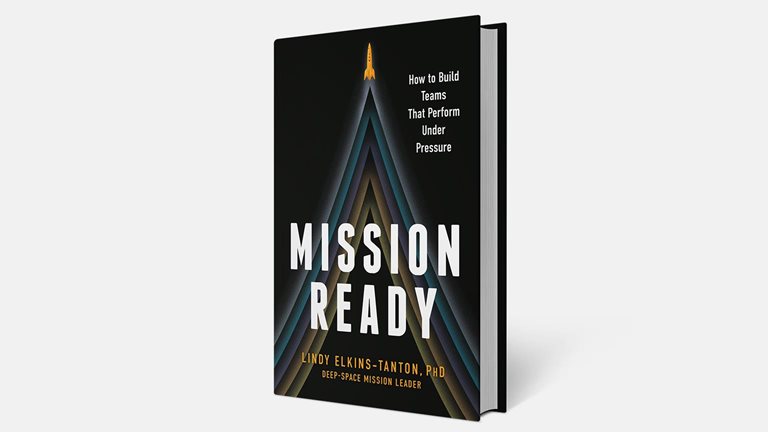
| A strong culture is critical to sustaining organizational performance during transformations or other periods of change. Executives can help teams overcome resistance to working on culture by emphasizing outcomes and leading by example, Lindy Elkins-Tanton, author of Mission Ready: How to Build Teams That Perform Under Pressure, observes in an edition of Author Talks. “The meeting or the process or the workshop, whatever you’re doing, doesn’t have to be labeled anything about culture. It can be about how to be more effective problem solvers or how to level up your meetings,” says Elkins-Tanton, who is principal investigator of the NASA Psyche mission and a professor at the University of California, Berkeley. Executives can reinforce a culture that embraces change by adopting new practices themselves and inspiring others to do the same. “Every single person is a leader because they have a vision and a concept, not necessarily because they have people reporting to them,” she says. “So encourage every person to be a leader in this way.”
| | |
| | | |
| | | |
| Transformations can provide an opportunity to address a common organizational challenge: developing the next generation of leaders. McKinsey Global Managing Partner Bob Sternfels, Senior Partners Daniel Pacthod and Kurt Strovink, and Senior Adviser Wyman Howard observe that companies urgently need to build leadership capabilities to manage today’s disruptions while preparing for future ones. It’s particularly important for current leaders to be mentors and role models for up-and-comers. “Some leadership skills can be taught in the classroom, but by and large, the most effective training and transfer of leadership skills happen on the job,” they say. Executives should define the leadership attributes the organization needs most, then accelerate high-potential managers into more challenging roles. The authors also recommend personalized immersion sessions, directed by senior executives, to prepare future leaders. | | | Lead by charting a clear transformation path. | | | | | —Edited by Eric Quiñones, senior editor, New Jersey
| | |
|
Click to get this newsletter twice per month |
|
| | |
|
|
|
Copyright © 2026 | McKinsey & Company, 3 World Trade Center, 175 Greenwich Street, New York, NY 10007
|
|
|
|
|
|