| | | | | | |
Click to get this newsletter twice per month |
| |
|
| |
|
| | Brought to you by Alex Panas, global leader of industries, & Becca Coggins, global leader of functional practices and growth platforms
| | | | | | |
|
| | | | Business leaders view geopolitical instability as the biggest risk to global economic growth and their companies’ performance, McKinsey research shows. But as CEOs remain vigilant about emerging vulnerabilities, they should also actively develop their geopolitical IQ to understand how shifts in trade policies, regulations, tariffs, and other factors could generate new growth opportunities. This week, we look at how leaders can create value in an era of upheaval. | | | |
| | | |
| | | CEOs who wait for geopolitical volatility to subside before pursuing new growth strategies risk falling behind more proactive competitors. McKinsey’s Cindy Levy, Ezra Greenberg, Matt Watters, Shubham Singhal, and Ziad Haider note that many leaders are resetting their approach to geopolitical shifts as opportunities emerge in new markets or trade corridors. They cite the CEO of a North American electronics manufacturer, who says, “We have found a competitive advantage in others’ paralysis.” The authors identify five steps that can help leaders understand the current geopolitical environment and the most effective responses: | | | | | Identify the growth potential of certain corridors and sectors as global trade realigns. | | | | | | | Deploy capital strategically by locating manufacturing in resilient markets, maintaining agility, and tapping into industrial incentives. | | | | | | | Boost operational resilience by diversifying supplier networks, building flexibility into workforce models, and optimizing data and technology stacks. | | | | | | | Develop greater strategic foresight to pursue opportunities and mitigate risks more quickly. | | | | | | | Manage near-term exposure to geopolitical shifts to protect quarterly earnings while pursuing long-term value creation. | | | | |
| | | | That’s how much shipments of AI-related goods—including semiconductors, servers, and networking equipment—increased in 2025, according to a McKinsey Global Institute (MGI) report on geopolitics and global trade. AI-related goods accounted for about a third of global trade growth, which is “an impact that has received far less attention than AI’s effects on economic growth, investment, financial markets, or jobs,” say MGI’s Tiago Devesa, Jeongmin Seong, Nick Leung, and their coauthors. | | |
| | | |
| | | “Geopolitical volatility is no longer episodic—it’s the new operating norm.” | | | McKinsey’s Cindy Levy, Shubham Singhal, Matt Watters, Brooke Weddle, and Madeleine Goerg interviewed more than 15 CEOs of multinational corporations and found that leaders are “grappling with a confounding new business environment.” The authors say CEOs should take two approaches to gain a competitive edge in this atmosphere: First, assess the value linked to geopolitical shifts to guide growth strategies and manage vulnerabilities; and second, enhance organizational agility to be able to respond quickly to both emerging opportunities and risks.
| | |
| | | |
| | | |
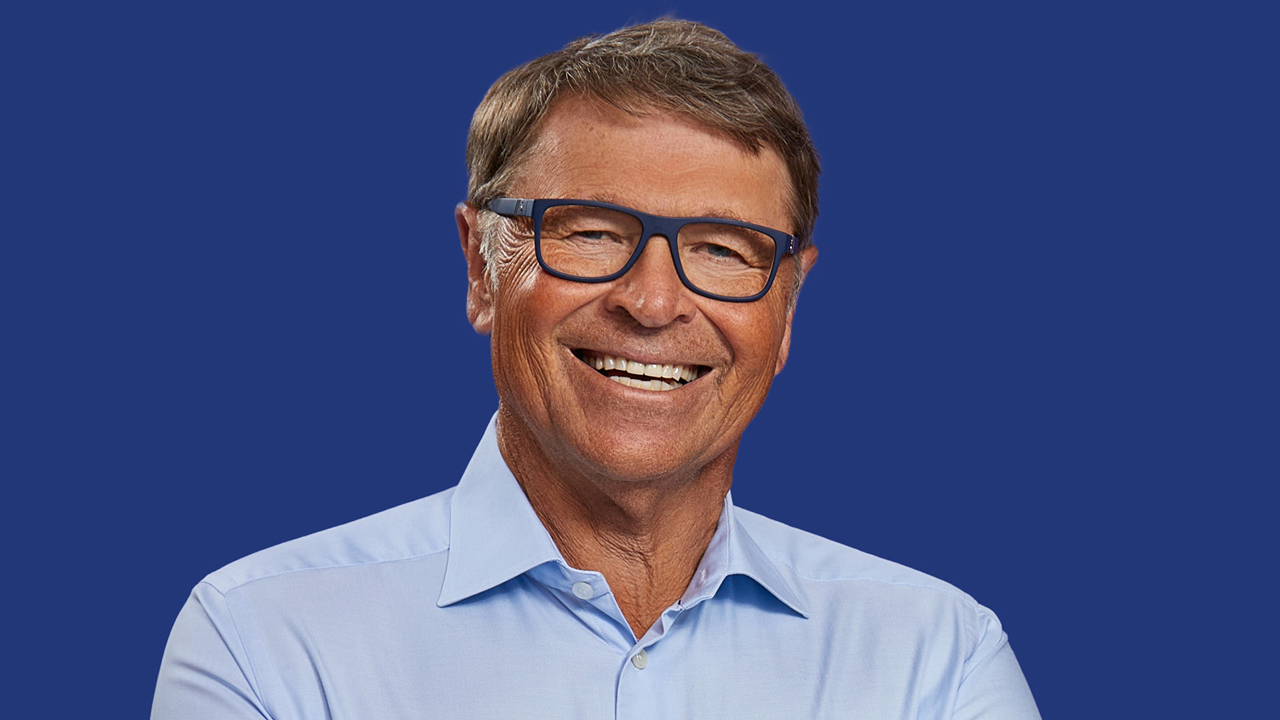
| What’s the best way to lead in a constantly changing environment? Former Yum! Brands CEO David Novak says great bosses don’t pretend to know it all. “You actually become a better leader when you tell people you don’t have all the answers,” he tells McKinsey’s Eric Kutcher in an episode of The McKinsey Podcast. Novak says his biggest failures came when he didn’t listen to insights from his team. He notes that fostering a culture of curiosity can help leaders and their teams tackle their biggest challenges, such as getting value from technology. “AI is only going to be as good as the questions you ask it,” he says. “Teaching people how to ask questions is a great thing, and the best leaders have been doing that for years.”
| | |
| |
| | | |
| As the pace and volume of geopolitical developments affecting businesses continue to grow, companies need to get smarter faster. One way to do that is by cultivating an ecosystem of geopolitical experts who can assess ongoing shifts and help leaders manage the most relevant issues. “Rapidly evolving geopolitical events and abundant information (some of it misleading) can blind executives to what matters. Organizations can’t afford to overfocus on disparate fragments of information when setting strategy,” say McKinsey’s Ziad Haider and Astha Rajvanshi, and Mark Sedwill, a former UK national security adviser and a member of McKinsey’s Geopolitics Advisory Council. Core elements of a geopolitical insights ecosystem include internal capabilities such as dedicated geopolitics units and executive or board-level roles, and external resources such as advisory councils, government experts, and research institutions. Their insights can help leaders make better decisions in key areas such as risk management, strategy, operations, and stakeholder relationships. | | | Lead by turning uncertainty into advantage. | | | | | —Edited by Eric Quiñones, senior editor, New Jersey
| | |
|
Click to get this newsletter twice per month |
|
| | |
|
|
|
Copyright © 2026 | McKinsey & Company, 3 World Trade Center, 175 Greenwich Street, New York, NY 10007
|
|
|
|
|
|