| | | | | | |
Click to get this newsletter twice per month |
| |
|
|
| | Brought to you by Alex Panas, global leader of industries, & Becca Coggins, global leader of functional practices and growth platforms
| | | | | | |
|
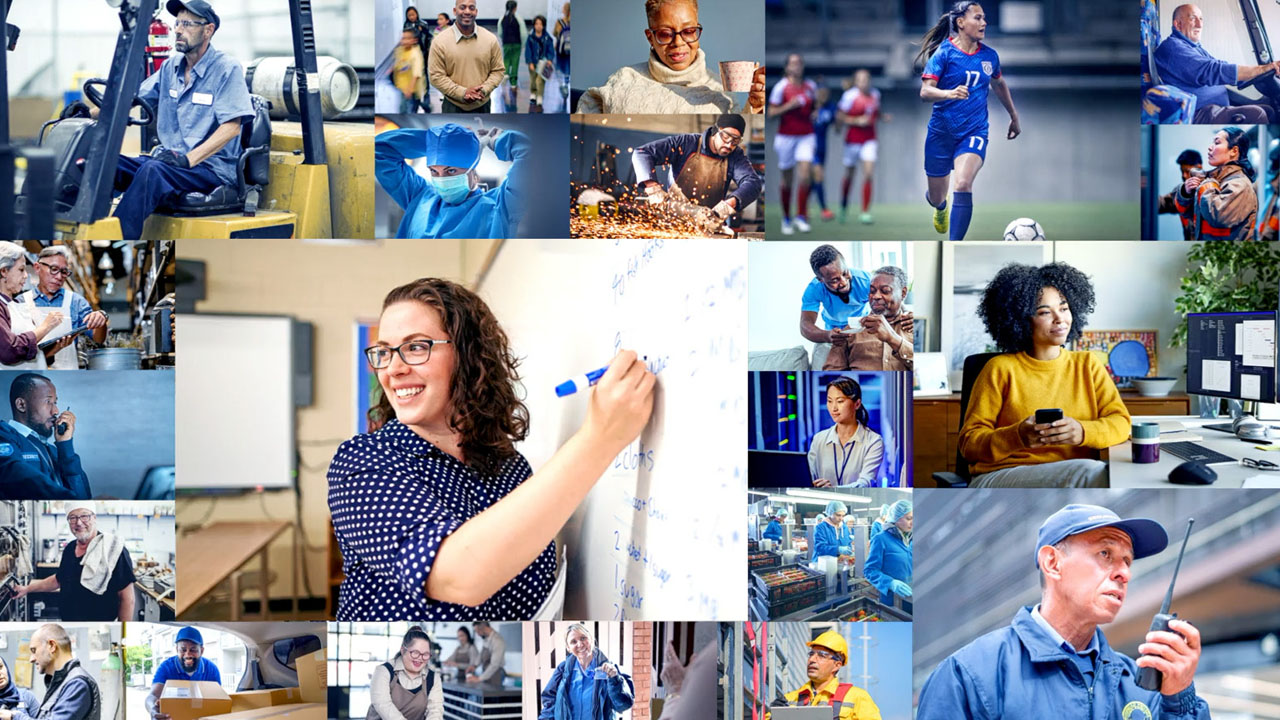
| | | | Supporting employee health is a critical factor in sustaining a thriving workforce. Companies that prioritize health often see greater productivity, stronger employee engagement and retention, reduced absenteeism, and lower healthcare costs. Still, many organizations struggle with how to achieve these types of results. This week, we look at how companies can launch and scale effective workforce health initiatives to improve employees’ lives and business outcomes. | | | |
| | | |
| | | | | | | embedding interventions into daily work, such as digital hourly-break nudges | | | | | | | adopting tools that are easy to use and scale, such as digital mental health programs with self-monitoring and tailored guidance | | | | | | | developing initiatives that address multiple health dimensions, such as mind–body exercise classes | | | | | | | creating programs that measure both health and business outcomes, including stress and productivity | | | | | The authors also note that embedding AI into evidence-based health interventions can help improve outcomes. “Emerging AI agents can identify needs, personalize support, and coordinate tasks across systems—delivering timely nudges and real-time guidance to employees and managers as they make daily decisions that shape well-being,” they say. | | |
| | | | | | That’s the annual economic value that could be created by 2050 if society scales access to proven, cost-effective health interventions, according to an MHI analysis. That figure is equal to about 7 percent of global GDP and represents an estimated fourfold return on investment, say McKinsey’s Alex Beauvais, Brad Herbig, Matt Wilson, and Pooja Kumar. | | |
| | | |
| | | “Investing in mental health is more than a way to improve individual lives; it’s a strategic economic move to reduce the global [noncommunicable disease] and mental health burden, extend healthy lifespans, and unlock substantial financial benefits.” | | | McKinsey’s Brad Herbig, Erica Coe, and Kana Enomoto say that improving mental healthcare is an “underappreciated opportunity for transformative change” in global health. Mental health conditions exacerbate noncommunicable diseases directly and indirectly, but they only receive about 2 percent of government healthcare spending globally. According to the authors, every dollar invested in expanding proven mental health interventions by 2050 could have an economic return of $5 to $6.
| | |
| | | |
| | | |
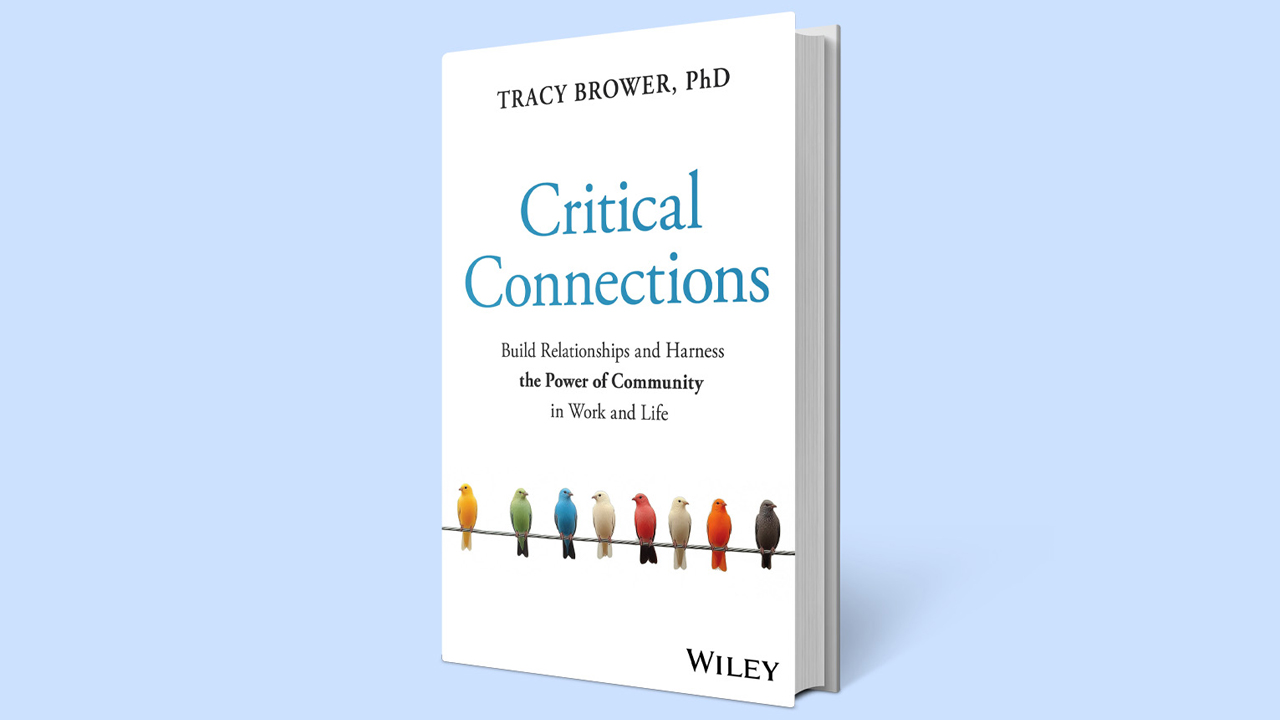
| Making meaningful connections with others is critical to maintaining health and well-being—but it can be challenging. Tracy Brower, vice president of Workplace Insights at Steelcase and the author of Critical Connections: Build Relationships and Harness the Power of Community in Work and Life, says greater reliance on technology and an increasing emphasis on speed have elevated convenience over connection. “Disconnection is an issue, not only for individuals, teams, and organizations, but also for society as a whole,” she says in an edition of Author Talks. Strong connections are not just personally fulfilling; they also shape decision-making and cognitive performance, Brower notes. “When we’re connecting with other people, we’re asking questions, processing what they say, listening, and empathizing,” she says. “And all of those actions are very effective because they’re engaging our brain and building on our cognitive capability.”
| | |
| | | |
| | | |
| How can society find more effective ways to deliver treatment for anxiety, stress, and other mental health challenges persisting in the workplace? McKinsey’s Erica Coe, Javier Valenzuela, Kana Enomoto, and Clara Gianola say one key is to increase funding for a team-based treatment approach known as mental health task sharing. This involves training nonspecialist providers—such as nurses, midwives, and lay or paraprofessionals—to deliver structured, evidence-based interventions. The strategy has been adopted in several countries, like Chile, often in pilot programs. An MHI analysis identifies potential approaches to generating sustained investment in task sharing, which could have a substantial impact. “By scaling task sharing alone, the global society has the potential to reclaim over 18 million life years of heathier life while also reducing associated physical health burdens linked to unaddressed mental health conditions,” the authors say. “In doing so, global equity in access to care could be advanced, adding years to life and life to years.”
| | | Lead by strengthening workplace health. | | | | | —Edited by Eric Quiñones, senior editor, New Jersey
| | |
|
Click to get this newsletter twice per month |
|
| | |
|
|
|
Copyright © 2026 | McKinsey & Company, 3 World Trade Center, 175 Greenwich Street, New York, NY 10007 |
|
|
|
|
|