| | | | | | |
Click to get this newsletter twice per month |
| |
|
| |
|
| | Brought to you by Alex Panas, global leader of industries, & Becca Coggins, global leader of functional practices and growth platforms
| | | | | | |
|
| | | | Navigating the distinct stages of a CEO’s journey is like experiencing the four seasons of the year: Priorities and perspectives change throughout a leader’s tenure. One constant along that evolving path: the need to have courageous conversations. The best CEOs are transparent, trustworthy, and inspirational when addressing thorny situations with fellow C-suite leaders, employees, investors, or other stakeholders. This week, we look at how bosses can learn to lead difficult discussions that enable their organizations to overcome challenges and seize opportunities. | | | |
| | | |
| | | CEOs must stay ready to address disruptions directly with their teams given the constant state of change in the business world. But holding courageous conversations is not just for crisis moments—it is a daily practice for effective leaders, say McKinsey’s Kurt Strovink, Meagan Hill, Mike Carson, and Eric Sherman. “It is the very thread that enables integrity through every season of leadership, guiding leaders as conditions shift and stakes evolve,” they observe. The authors identify four “cases for courage” that arise repeatedly in organizations and demand different kinds of bravery from leaders: | | | | | legitimizing dissent to make it routine rather than risky and establish psychological safety | | | | | | | resolving resentments, disappointments, or broken agreements that corrode trust, inhibit execution, and fracture teams | | | | | | | delivering performance expectations with clarity and care by separating the “hardware” (such as facts, KPIs, and timelines) from the “software” (such as tone, intention, and humanity) | | | | | | | providing honest feedback and treating it as a dialogue, not a download | | | | |
| | | | | | | | | |
| | | “Constructive dialogue and debate will set the best-performing companies apart from competitors.” | | | Global Managing Partner Bob Sternfels, Senior Partners Daniel Pacthod and Kurt Strovink, and Senior Adviser Wyman Howard say the best practices for 21st-century leaders place a premium on engagement that is both rigorous and inclusive. In practice, that means ensuring alignment around strategy, reinforcing trust, and exploring new working models that can allow teams to work faster. “Instead of managing with an eye solely on profits and preservation, leaders must also think about how to convey vision and possibilities (innovation) to all stakeholders,” the authors say.
| | |
| | | |
| | | |
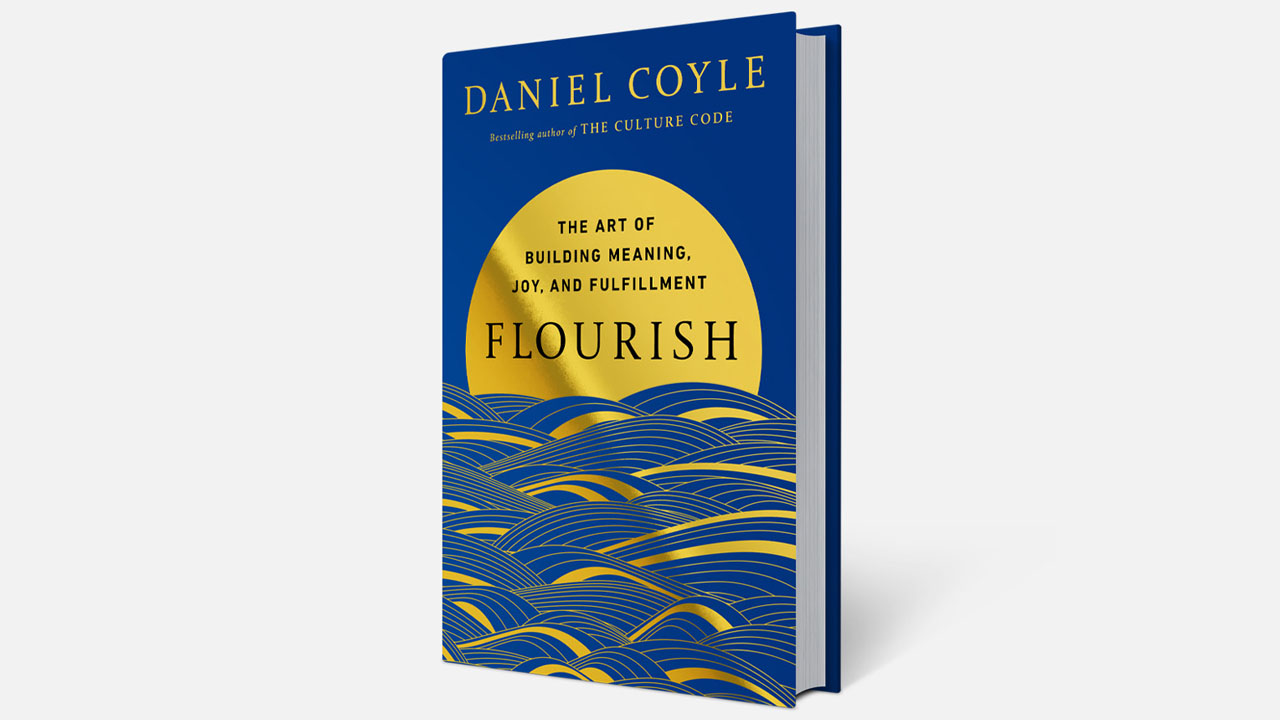
| Two simple phrases—“I screwed that up” and “my hypothesis is”—can help leaders create high-performing teams. Daniel Coyle, author of Flourish: The Art of Building Meaning, Joy, and Fulfillment, observes that expressing vulnerability and openness can help bosses create stronger trust connections with their teams. That, in turn, encourages positive change in the workplace, he says in an edition of Author Talks. “The root operating system of flourishing places is creating spaces where agency and awareness can begin—to have that awareness of what’s possible, that direction, and then the agency to speak out, share, and question,” Coyle says.
| | |
| | | |
| | | |
| As executives deal with persistent uncertainty and change, they can consider a different way of leading to preserve resilience and cohesion within their teams. An approach known as trauma-informed leadership focuses less on eliminating stress and more on how it affects decision-making, relationships, and culture within an organization. McKinsey’s Johanne Lavoie, Ramesh Srinivasan, and their coauthors note that behaviors seen as “resistance to change” may instead reflect underlying concerns about loss or uncertainty. Viewing these reactions through a trauma-informed lens can help leaders convert stress into focus, resilience, and performance. “Instead of interpreting behavior as resistance, leaders create conditions and regulate systems so that fear of loss is acknowledged and integrated,” the authors say. “People can then reengage with clarity, shifting from reactivity to a more intentional response.”
| | | Lead by constructively confronting challenges. | | | | | —Edited by Eric Quiñones, senior editor, New Jersey
| | |
|
Click to get this newsletter twice per month |
|
| | |
|
|
|
Copyright © 2026 | McKinsey & Company, 3 World Trade Center, 175 Greenwich Street, New York, NY 10007 |
|
|
|
|
|