| | | | | | |
Click to get this newsletter twice per month |
| |
|
| |
|
| | Brought to you by Alex Panas, global leader of industries, & Becca Coggins, global leader of functional practices and growth platforms
| | | | | | |
|
| | | | From massive multinationals to small businesses, organizations of every kind need to stay attuned to shifting global economic dynamics. The trajectories of different economies will affect companies on many fronts, from supply chains and consumer demand to financial conditions. To lead effectively in a more complex, fast-moving world, executives need a clear view of the shifts in trade and geopolitics, as well as advances in technology and innovation, that will shape economies for years to come. This week, we examine the pressures and possibilities facing economies worldwide—and what they mean for leaders charting a path to growth. | | | |
| | | |
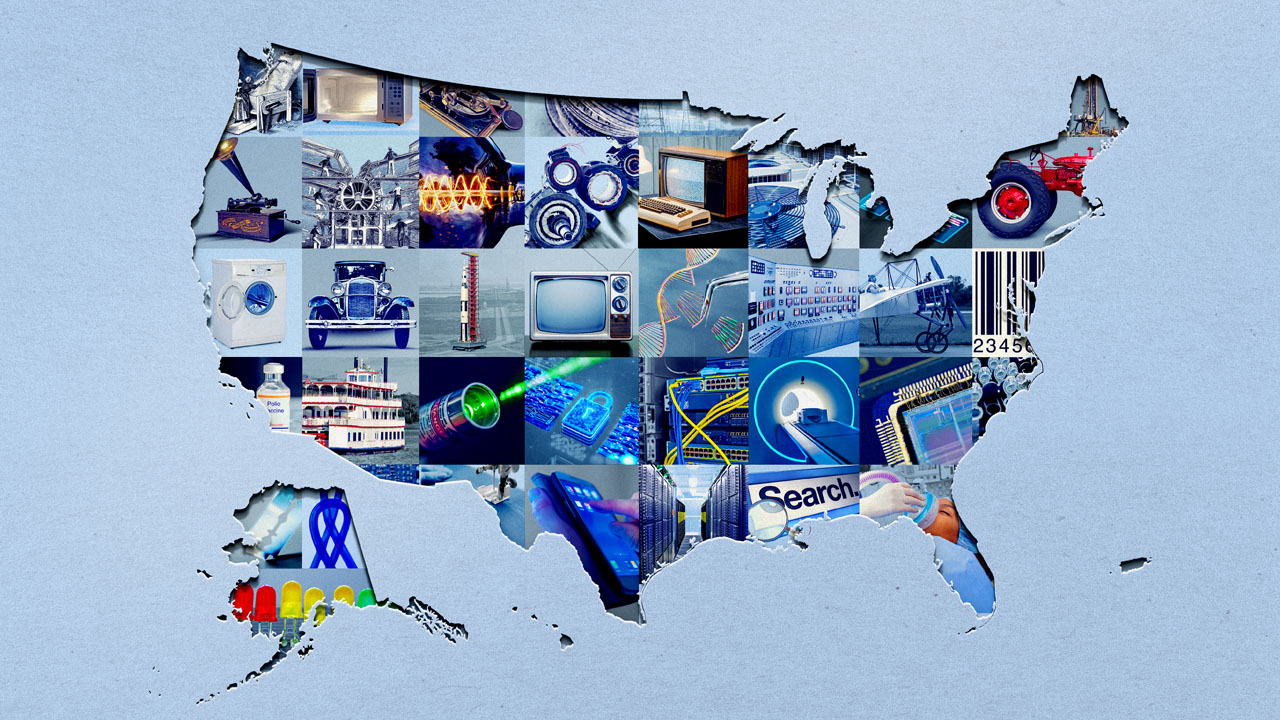
| | | As the United States approaches its 250th year, a critical question looms: Can it sustain its edge as the world’s most competitive economy? In a new McKinsey Global Institute report, Senior Partners Olivia White, Eric Kutcher, Kweilin Ellingrud, Shubham Singhal, and Scott Blackburn and their coauthors say America can thrive by drawing on its historical strengths—in particular its culture of innovation and its natural resources. Amid challenges such as mounting national debt, eroding infrastructure, and declining manufacturing, the authors identify five areas for government and business leaders to focus on to maintain US competitiveness:
1. Creating an AI-fluent workforce
2. Sustaining long-term capital investment
3. Expanding power supply to meet the needs of future technology
4. Investing in new and improved infrastructure
5. Enhancing national economic security in a volatile world
“Should those challenges be met, the net effect would be an American economy that innovates and operates in faster, bigger, and better ways,” the authors say.
| | |
| | | | | | | That’s how much African governments could generate over the next decade through revenue growth and cost savings by taking measures such as strengthening tax-collection systems and cutting waste in public spending. McKinsey’s Acha Leke, Adam Sabow, Matthews Mmopi, and Tania Holt say that these efforts could “help put public finances in Africa on a more sustainable footing” and build long-term resilience. | | |
| | | |
| | | “Latin America has been a land of unrealized potential for more than 50 years. As we see it, the current global shifts present a once-in-a-generation chance to change course.” | | | That’s McKinsey’s Felipe Child, Javier Valenzuela, Nelson Ferreira, Tracy Francis, and their coauthors on how Latin America may be well positioned for economic growth in the years to come. They note that abundant and cost-competitive renewable energy can enable the region to benefit from the increasingly digital and compute-intensive global economy. In addition, Latin America’s rich, diverse natural resources provide a competitive advantage given rising demand for food, energy, and critical minerals.
| | |
| | | |
| | | |
| Europe is facing a convergence of challenges, including war on its soil, lagging tech adoption, and questions about its productivity and competitiveness. But Philipp Freise, cohead of European private equity at KKR, one of the world’s largest investors in European businesses, is optimistic that the continent can meet the moment.
In an interview with McKinsey, he points to the broad application of AI across industries as a catalyst for transforming the continent’s economies and improving productivity growth. Access to advances in large language models could unlock benefits for Europe at scale. “The tide can lift all boats,” says Freise, who also highlighted opportunities to improve public-private partnerships and boost cooperation among nations to scale innovation and growth. “Europe knows it’s in a critical period,” he says. “And if history is any guide, that’s when Europe moves.”
| | |
| | | |
| | | |
| As geopolitical uncertainty continues to disrupt global trade, leaders must prepare for ongoing changes in how goods and services move around the world. Asia will be at the heart of these shifts, says McKinsey Senior Partner and Asia Chair Gautam Kumra. Companies in the region will be instrumental in reconfiguring trade flows, aided by their early embrace of emerging industries. At the same time, Asia remains one of the most tightly knit trading regions in the world. “This interconnectivity, coupled with Asia’s preeminence in future growth sectors, such as AI and other disruptive technologies, means that the region’s leaders have the opportunity to drive the evolution of new trade alliances and corridors—reshaping the geometry of global trade itself,” Kumra says. | | | Lead by staying in sync with global change. | | | | | —Edited by Eric Quiñones, senior editor, New Jersey
| | |
|
Click to get this newsletter twice per month |
|
| | |
|
|
|
Copyright © 2026 | McKinsey & Company, 3 World Trade Center, 175 Greenwich Street, New York, NY 10007
|
|
|
|
|
|