| | | | | | |
Click to get this newsletter weekly |
| |
|
| |
|
| | Brought to you by Alex Panas, global leader of industries, & Axel Karlsson, global leader of functional practices and growth platforms
| | | | | | | |
| | | | Companies that invest in innovation consistently outperform their peers, even during periods of uncertainty when a wait-and-see approach may seem like the best move. But good ideas are getting harder to find, as innovation has become more difficult and more expensive. This week, we look at how organizations can turn to AI to help reignite their R&D productivity and generate value. | | | | | | | |
| | | Even as science has advanced, companies in fields ranging from semiconductors to biopharmaceuticals to agriculture are producing less innovation for each dollar they spend on R&D. AI technologies can be a catalyst for reversing this trend—and potentially unlocking $360 billion to $560 billion in annual economic value, say McKinsey Senior Partners Alex Singla, Alexander Sukharevsky, and Lareina Yee and their coauthors. AI can not only create economic growth but also improve “the chances of solving some of the most important human challenges, from preventing and curing diseases to reducing the level of carbon emissions,” they observe. The authors identify three ways in which AI can help organizations accelerate R&D productivity. First, AI can increase the velocity, volume, and variety of designs for potential new products or services. Second, the technology can improve companies’ ability to evaluate those designs. Finally, AI can support various activities in the product development process, including identifying and analyzing customer or user needs, synthesizing existing research and data, and improving collaboration. | | |
| | | | | | | | | | | | | | | | | |
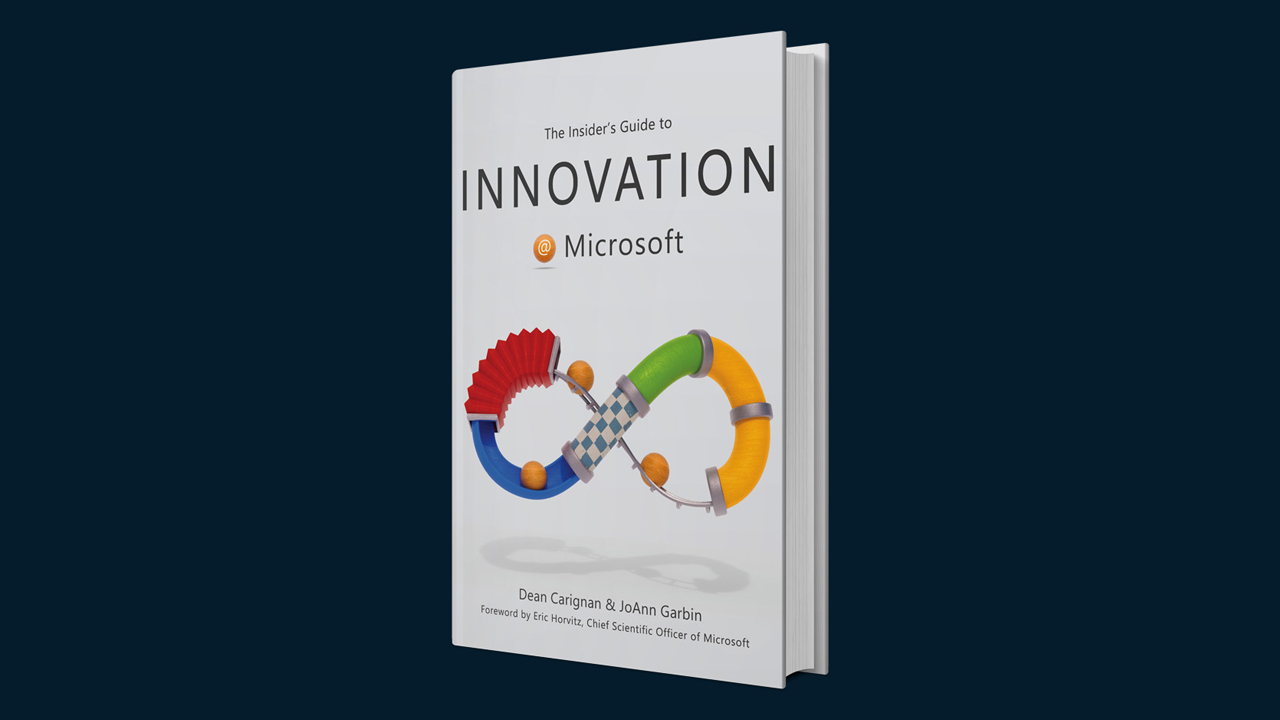
| Microsoft’s Xbox launch was more than a daring reinvention for the software company. It was a key example of why it’s critical to develop a culture of innovation. Dean Carignan, coauthor of The Insider’s Guide to Innovation at Microsoft, says the team behind Xbox persevered to earn buy-in and funding for the gaming system, despite multiple rejections from the company’s cofounder, Bill Gates, and former CEO Steve Ballmer. “So much of innovation is about persistence, drive, and believing in your vision and being able to go back time and time again until you convince the people who need to be bought in to go for it,” CCarignan says in an edition of Author Talks. Carignan and his coauthor also highlight common patterns between the Xbox business and other high-performing, innovative teams within Microsoft: For example, Xbox leaders focus on having the right employees and culture in place to support big pivots. “They really want to bring people into the organization who help the culture evolve in the direction that it needs to go and who move it toward the places that customers and partners want it to be,” Carignan says.
| | |
| | | | | | | |
| | | Lead by accelerating innovation. | | | | | — Edited by Eric Quiñones, senior editor, New Jersey
| | |
|
Click to get this newsletter weekly |
|
| | |
|
|
|
Copyright © 2025 | McKinsey & Company, 3 World Trade Center, 175 Greenwich Street, New York, NY 10007
|
|
|
|
|
|