| DELIVERING ON DIVERSITY, GENDER EQUALITY, AND INCLUSION
|
| Click to get this newsletter weekly |
|
|
| Today is International Transgender Day of Visibility. In this issue, we consider the work of journalist Imara Jones and what companies can do to advance trans inclusion in the workplace and society. Plus, the problem with hiring for “culture fit.” |
|
|
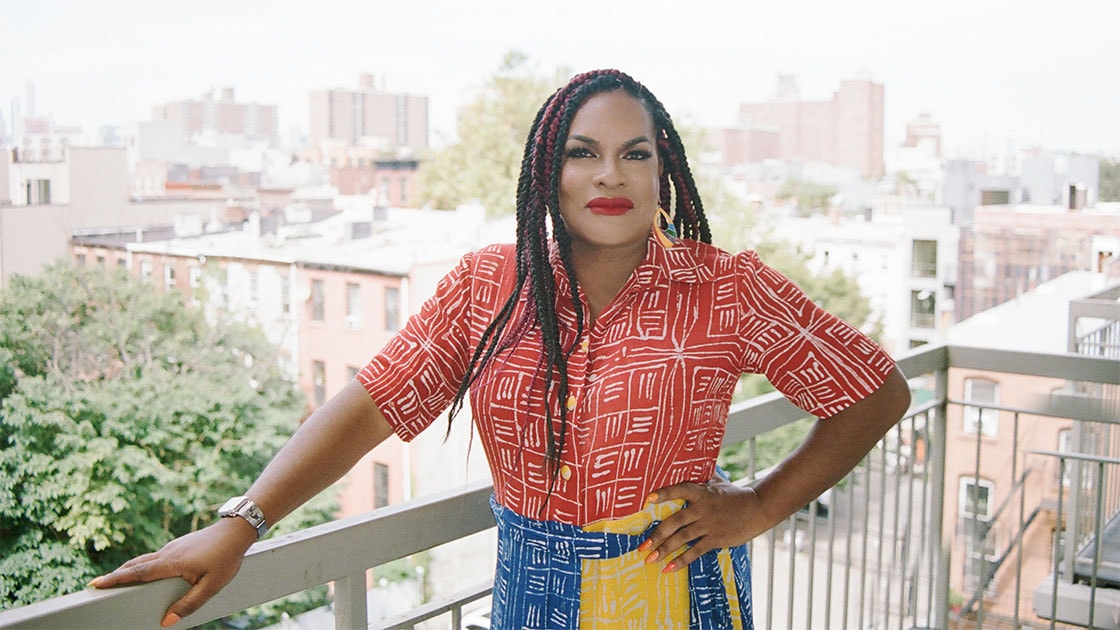
| Imara Jones is the founder and CEO of TransLash Media, a nonprofit organization that tackles bias and hostility against transgender people in the US. In an interview for the NYC Trans Oral History Project, a landmark effort to record, preserve, and share trans histories, Jones explains why she could no longer cover issues that affect trans Americans without telling her own story: “I realized that I was the subject. I was the news.” Working on TransLash, she says, “has taught me that my voice is important, that I’m important, that our stories are important, and they have to be told.”
|
| Jones notes that while more and more brands are featuring trans models in their advertising, “that doesn’t really affirm our humanity or ensure that we have full rights in society—and the [financial] benefits accrue to massive corporations from which trans people are largely excluded.” |
| McKinsey research shows that transgender people are underrepresented in the US workforce and face widespread workplace discrimination. In a 2021 McKinsey survey, less than a third of transgender respondents said they felt comfortable being fully out about their gender identity at work. |
| How can companies meaningfully increase trans representation and inclusion? Jones points out that external visibility should be backed by workplace policies and initiatives—and McKinsey research points to paid internship programs as a step in the right direction. As Jones puts it: “It would be really powerful if a company said, ‘We’re going to have all trans models—and we’re going to start an internship program for young trans people. And we’re going to pay them.’ That’s actually changing something.” |
| Jones is using her own platform to amplify trans voices and explore ways to help more trans people join the industry and tell different stories. The animating principle: “I don’t believe in one person changing everything; I think one person helps others to change everything.” |
|
| In a recent edition of McKinsey’s Author Talks, inclusion strategist Ruchika Tulshyan discusses why “leaning in” is falling short, the problem with calling someone “diverse,” and why organizations should hire for “culture add” instead of “culture fit.” |
| — Edited by Julia Arnous, an editor in McKinsey’s Boston office |
|
| Click to subscribe to this weekly newsletter |
|
|
Did you enjoy this newsletter? Forward it to colleagues and friends so they can subscribe too.
Was this issue forwarded to you? Sign up for it and sample our 40+ other free email subscriptions here.
|
|
|
Copyright © 2022 | McKinsey & Company, 3 World Trade Center, 175 Greenwich Street, New York, NY 10007
|
|
|