| DELIVERING ON DIVERSITY, GENDER EQUALITY, AND INCLUSION
|
| Click to get this newsletter weekly |
|
|
| In this issue, we look at what the L.A. Times’s top editor has been reading, and why some tickets to Hamilton cost less than a movie ticket. |
|
|
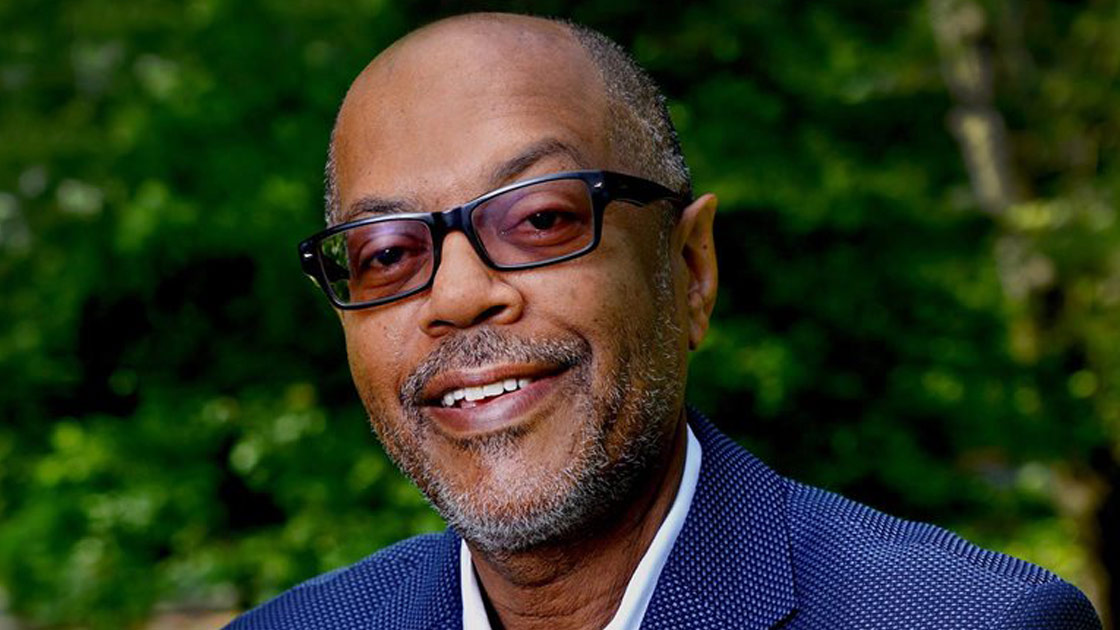
| Here’s a book recommendation from Kevin Merida, the L.A. Times’s top editor: The Dead Are Arising: The Life of Malcolm X, by Les Payne and Tamara Payne. Les Payne was a pathbreaking investigative journalist—and one of Merida’s mentors. Following Payne’s death in 2018, his daughter, Tamara, completed the book, which went on to win this year’s Pulitzer Prize for biography. The Dead Are Arising is based on hundreds of hours of interviews with people who knew Malcolm X personally; over the course of nearly 30 years, Les Payne interviewed Malcolm X’s living siblings, as well as friends and classmates, members of the Nation of Islam, prison cellmates, police officers, FBI agents, and global political leaders. As Merida (pictured above) puts it, the result is a rigorously reported biography that “will help readers understand Malcolm more completely.” Here are all of the picks Merida shared with McKinsey (including work by the poet Natalie Diaz)—and the books on other leaders’ bedside tables. |
|
| Jeffrey Seller is the producer of Broadway hits including Hamilton, In the Heights, Rent, and Avenue Q. In the latest episode of the McKinsey Global Institute’s Forward Thinking podcast, Seller reflects on how he navigated the year-and-a-half-long shutdown of American theater, how the COVID-19 pandemic has changed the business of live entertainment, and how his family background has shaped his approach to ticket pricing. As the producer points out, “Broadway as an art form is also a profit-making business”—but Seller has been thinking beyond the bottom line. When setting ticket prices for Hamilton, he “was looking at theater over the course of the next generation,” and looking to expand access—not to maximize profit. Premium tickets to Hamilton go for $850, but as evidenced by resale prices, that’s far less than the market would bear. Building on a tradition that started with Rent, Seller also set up a daily lottery for dozens of $10 seats in the first few rows, “so that people can come see Hamilton regardless of their financial means.” Seller’s family faced hardships as he was growing up, and his parents worked hard to be able to buy him balcony tickets to performances in Detroit. Those circumstances left a mark on him, and on the industry in turn: “From my background,” Seller says, “I believe my job is to take care of people who have less opportunity, and to bring people who have less a little bit more.”
|
| — Edited by Julia Arnous, an editor in McKinsey’s Boston office |
|
| Click to subscribe to this weekly newsletter |
|
|
Did you enjoy this newsletter? Forward it to colleagues and friends so they can subscribe too.
Was this issue forwarded to you? Sign up for it and sample our 40+ other free email subscriptions here.
|
|
|
Copyright © 2021 | McKinsey & Company, 3 World Trade Center, 175 Greenwich Street, New York, NY 10007
|
|
|