| DELIVERING ON DIVERSITY, GENDER EQUALITY, AND INCLUSION
|
| Click to get this newsletter weekly |
|
|
| In this issue, we look at a notable change in how Twitter addresses Arabic-speaking users and consider a group that many organizations overlook in their efforts to make the workplace more welcoming for LGBTQ+ employees. |
|
|
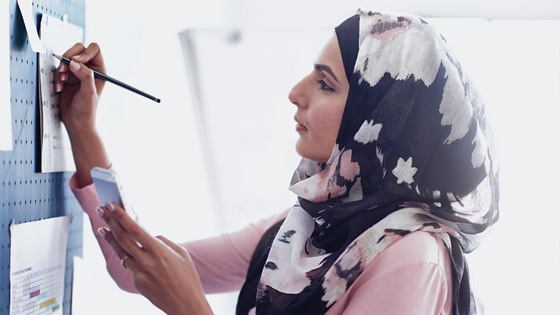
| Hey, you. That “you” we just used isn’t gendered, but in Arabic, it would be. In recent weeks, some Twitter users have switched it up. Arabic-speaking users now have the option to be addressed in the feminine—a welcome change for those tired of getting greeted with terms typically used to address men. |
| Meanwhile, new digital roles are opening up across the Middle East, and women are at high risk of job displacement if they lack digital skills. As it stands, less than a quarter of women in the Middle East participate in the workforce; that’s half the global average. Bridging the digital divide—and helping women boost their tech skills—will enable more women to take up the professional and technical jobs of the future. The end result? Powerful economic growth in a region that will be profoundly marked by the Fourth Industrial Revolution. |
|
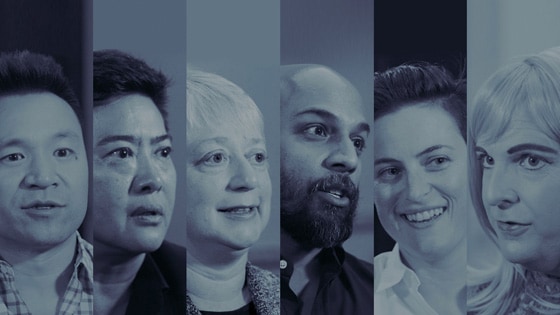
| Here’s a chance to hear directly from LGBTQ+ business leaders: in “LGBTQ+ voices: Speaking out and looking ahead,” six leaders lay out a vision for better, more inclusive workplaces where LGBTQ+ people can be their authentic selves, contribute to their full potential, and take their seats at the leadership table. |
| What does it take to create the kind of atmosphere where LGBTQ+ employees can thrive? Company policies are part of the picture. Also critical: addressing bias among employees, particularly managers. As one executive explained, “The sweet spot—and I think this is where some organizations fall short—is middle management, which [in Western countries] is historically made up of able-bodied, straight white men who are responsible for hiring, promoting, and firing.” |
| In addition to making personnel decisions, managers directly shape employees’ everyday experiences. Another executive put it in perspective: “When I talk to our people, I ask, ‘Hey, why don’t you feel comfortable coming out?’ Quite often, the response is, ‘I know you’re supportive, but you don’t spend the day with me. I spend the whole day with my team and my project manager.’ The support of that project manager on a day-to-day level matters a lot, but we haven’t really worked on that yet. There’s still quite a bit of unconscious bias at that level.” |
|
| — Edited by Julia Arnous, an editor in McKinsey’s Boston office |
| Click to subscribe to this weekly newsletter |
|
|
Did you enjoy this newsletter? Forward it to colleagues and friends so they can subscribe too.
Was this issue forwarded to you? Sign up for it and sample our 40+ other free email subscriptions here.
|
|
|
Copyright © 2021 | McKinsey & Company, 3 World Trade Center, 175 Greenwich Street, New York, NY 10007
|
|
|