Major math

|  | | | | |
| Click to get this newsletter monthly |
| |
|
|
| | Brought to you by Alex Panas, global leader of industries, & Becca Coggins, global leader of functional practices and growth platforms
| | | | | | |
|
| | | | |
| | | |
| For millennials, “learn to code” was shorthand for career advice that was prevalent in the post–Great Recession world: Whatever happened to the economy, software was a safe harbor. Recent computer science majors, however, have faced higher unemployment than recent graduates overall and, in some vintages of the data, higher unemployment than philosophy majors, according to the New York Fed’s latest by-major data. So much for safe harbors.
This all comes on the heels of another back-to-school season and another class of college students choosing fields of study that could shape their careers for decades. Making those decisions in a difficult labor market for new grads only ups the stakes.
One increasingly fashionable answer is to study the humanities. When it comes to choosing between STEM and humanities to set up a future career, AI can code and calculate, the argument goes; humans should concentrate on what machines struggle to do, which is to persuade, empathize, exercise judgment, and read a room.
There is something to this. McKinsey Senior Partner Alexis Krivkovich and her coauthors find that so-called soft skills face relatively little automation exposure, as do interpersonal skills such as coaching and negotiation. The same research finds that employers are mentioning routine writing and research in fewer job postings, even as demand for AI skills surges. And three-quarters of current US demand for AI skills, they note, sits in just three occupational groups: computing and mathematics, management, and business and finance.
The useful distinction, then, isn’t humanities versus STEM, or deciding which major is “safest.” Choosing a major is really about answering two questions disguised as one: Which skills are likely to endure, and where is demand for them likely to grow?
A student who graduated top of their class in communications and pursues work in a shrinking industry is still in a shrinking industry. A brilliant technologist whose specialty is increasingly automated has the same problem. Instead, Gen Zers should consider fields where the odds are in their favor. Take nursing, which is hiring more as AI spreads, not less, and where both technical know-how and human judgment are essential.
Whether you decide to learn technical skills or interpersonal ones in school, don’t mistake any single skill for a safe harbor.
| | | |
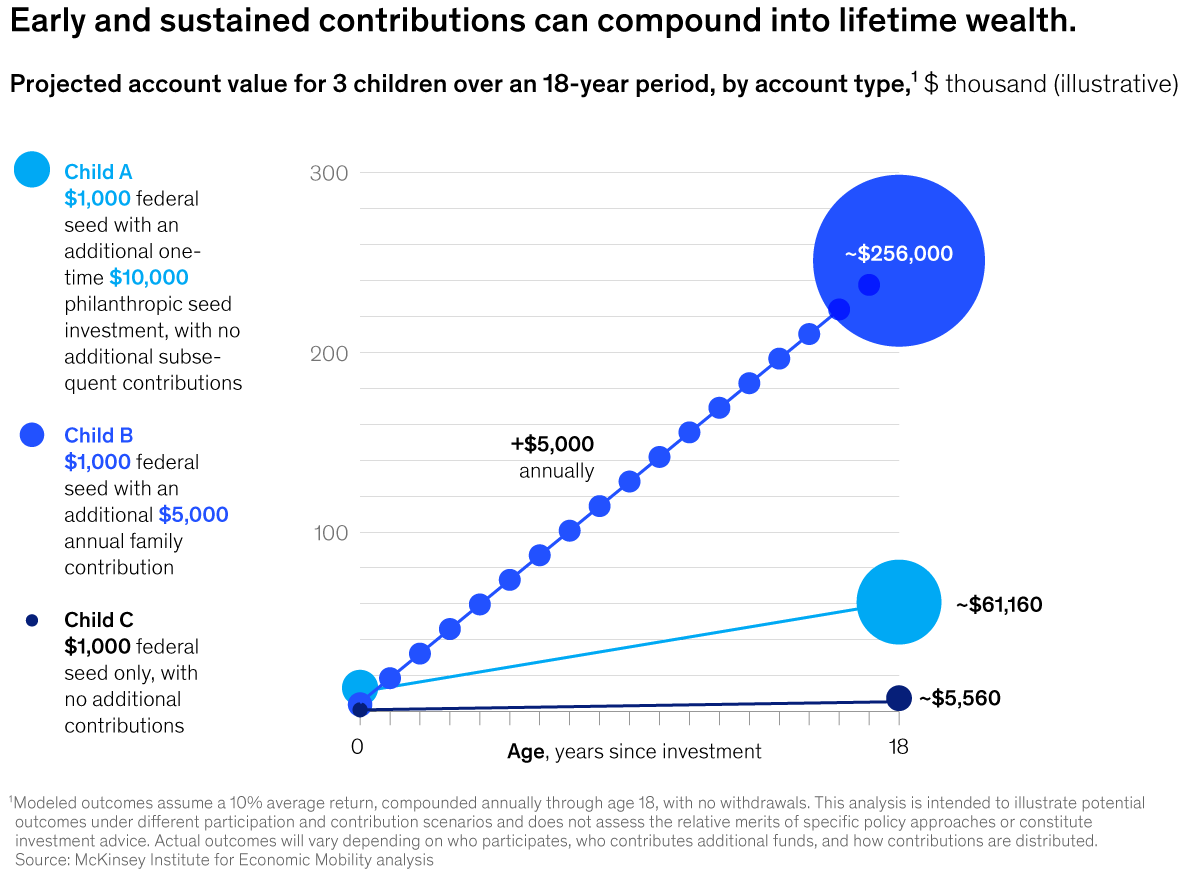
| | | Over an 18-year period, regularly contributing to a child’s investment account can build greater wealth than one-time contributions.
| | | | | |
| | | | | |
| | | | | | | | |
| | | |
| | | Little league, big money. The financial obligations on parents engaging in “pay-to-play childhood” are stacking up. [New York Magazine]
| | | Hobby-maxxing. Runners, golfers, and crafters alike are spending more on hobbies than at any point on record as Americans cut back elsewhere to keep the fun going. [Bloomberg] | | | |
|
| | |
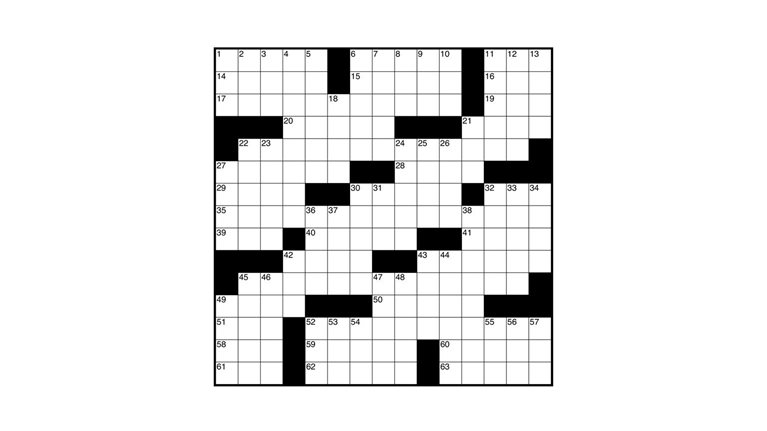
| | | | | Know the answer? Test yourself with the latest McKinsey Crossword: GEoPolitics | No. 267 | | Read more  | | | |
|
|
—Edited by Alexandra Mondalek, editor, New York
| | |
| |
| | |
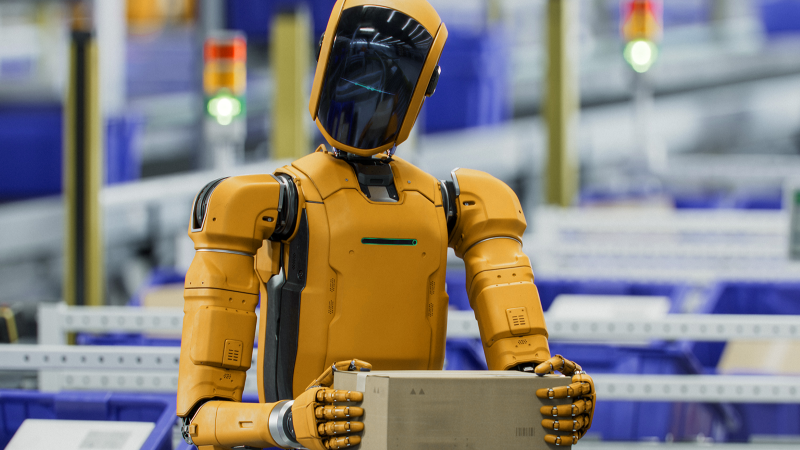
| | | | | Investors have poured $5.1 billion into humanoid robots since 2024, yet humanoids are projected to be just 2 percent of physical AI’s value by 2045. Join McKinsey Senior Partner Mark Patel and Partner Ani Kelkar on September 9 to discuss where the real value lies and what leaders should watch for as the market evolves. | | Register now  | | | |
|
|
| Click to get this newsletter monthly |
| |
|
| | Have feedback or other ideas? We’d love to hear from you. | | | | |
|
| | |
| |
|
|
|
Copyright © 2026 | McKinsey & Company, 3 World Trade Center, 175 Greenwich Street, New York, NY 10007
|
|
|
|
|