In the Black (Friday)

|  | | | | |
| Click to get this newsletter weekly |
| |
|
|
| | Brought to you by Alex Panas, global leader of industries, & Axel Karlsson, global leader of functional practices and growth platforms
| | | | | | | |
| | | | | | | | |
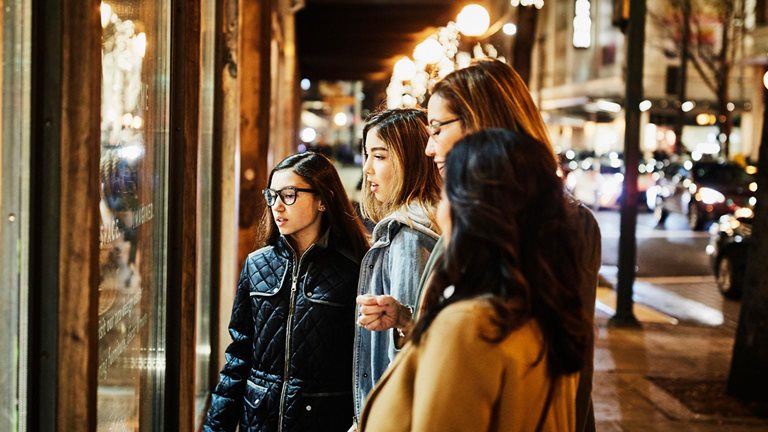
| Is it ever too soon to shop for the holidays? While other generations tend to say no—and start their holiday shopping earlier every year—Gen Z is more likely to stick to a traditional schedule.
In the latest McKinsey ConsumerWise survey on consumer sentiment, 17 percent of Gen Zers in the United States say that Black Friday, which usually falls on the last Friday in November (the day after Thanksgiving), marks the beginning of their holiday shopping season. That’s higher than the 11 percent average for consumers across age groups, according to Senior Partner Becca Coggins and coauthors. The explanation may stem from a different perception about savings. Gen Zers are just as value conscious as older consumers, but they tend to have less disposable income. If Zoomers think that Black Friday is the savings event of the season, they may be holding off on making purchases until then. “I choose Black Friday weekend specifically for all the incredible sales and savings,” said one Gen Z survey respondent. “That’s when I get the most bang for my buck, and it makes holiday shopping less daunting and more manageable.”
The numbers support this enthusiasm. In 2024, US consumers spent $10.8 billion on Black Friday alone, with online sales showing year-over-year growth even as in-store sales trailed when adjusted for inflation. Once the undisputed heavyweight of retail events, Black Friday now competes with midsummer promotional events from online retailers. Still, it’s gaining traction outside the United States; retailers and e-commerce players in India, for example, have dedicated more resources to Black Friday in recent years. (And in case you were wondering why the frenzied exchange of greenbacks for goods is called Black Friday, read this.)
Cultural relevance may play a role for Gen Zers, too. Posting a Black Friday haul on social media could drive higher engagement for influencers and noninfluencers alike than a post about a random Tuesday-in-October bargain. On one platform popular among Zoomers, there were 30,000 livestreams on Black Friday in 2024, while posts numbered in the millions and views in the billions. In other words, it’s as much about participating in a shared experience as it is about saving money.
That said, broader consumer caution is likely to shape the holiday shopping season. Coggins and coauthors found that spending on discretionary categories overall is expected to decline as households focus more on essentials. In a recent episode of the McKinsey on Consumer & Retail podcast, Senior Partner Emily Reasor says that “shoppers are timid this year, which is part of why we see people planning ahead more and changing their spending patterns.”
Still, Gen Zers plan to spend on some categories in 2025. Twenty-seven percent of Gen Zers said they planned to splurge on apparel, compared with 23 percent of consumers across all ages. Also ranking higher for Gen Z than for older consumers: electronics for home or personal use, beauty and personal care, and jewelry and accessories. So, while older shoppers may be moving on from Black Friday, the holiday retail ritual remains alive and well for Gen Zers, who are blending tradition and digital community into their own kind of seasonal celebration.
| | | | | | | | | | | |
| | | | | | | | | | | | | | |
| | |
—Edited by Alexandra Mondalek, editor, New York
| | |
| |
| Click to get this newsletter weekly |
| | |
|
|
Have feedback or other ideas? We’d love to hear from you. |
|
|
|
|
|
| | |
| |
|
|
|
Copyright © 2025 | McKinsey & Company, 3 World Trade Center, 175 Greenwich Street, New York, NY 10007
|
|
|
|
|