| DELIVERING ON DIVERSITY, GENDER EQUALITY, AND INCLUSION
|
| Click to get this newsletter weekly |
|
|
| In this issue, we look at a historic confirmation at the US Justice Department, Waymo's new co-leader, who's really doing the housework, and how to use your voice in virtual meetings. Plus, we consider the creative limitations imposed on Black talent in the film and TV industry. |
|
| • |
Vehicle for change. This month, Tekedra Mawakana became a co-CEO of the self-driving-technology company Waymo. As Mawakana has pointed out, women are underrepresented in mobility: they hold just 15 percent of transportation jobs in the United States, and fewer than one in five such jobs globally. Meanwhile, women around the world face physical danger when traveling, which can limit where they are able to work. In fact, lack of transportation and unsafe transit conditions are the biggest barriers keeping women in developing countries from working, according to the International Labour Organization. Diversifying the sector could help make mobility more inclusive—and give more women the freedom to move around. |
|
|
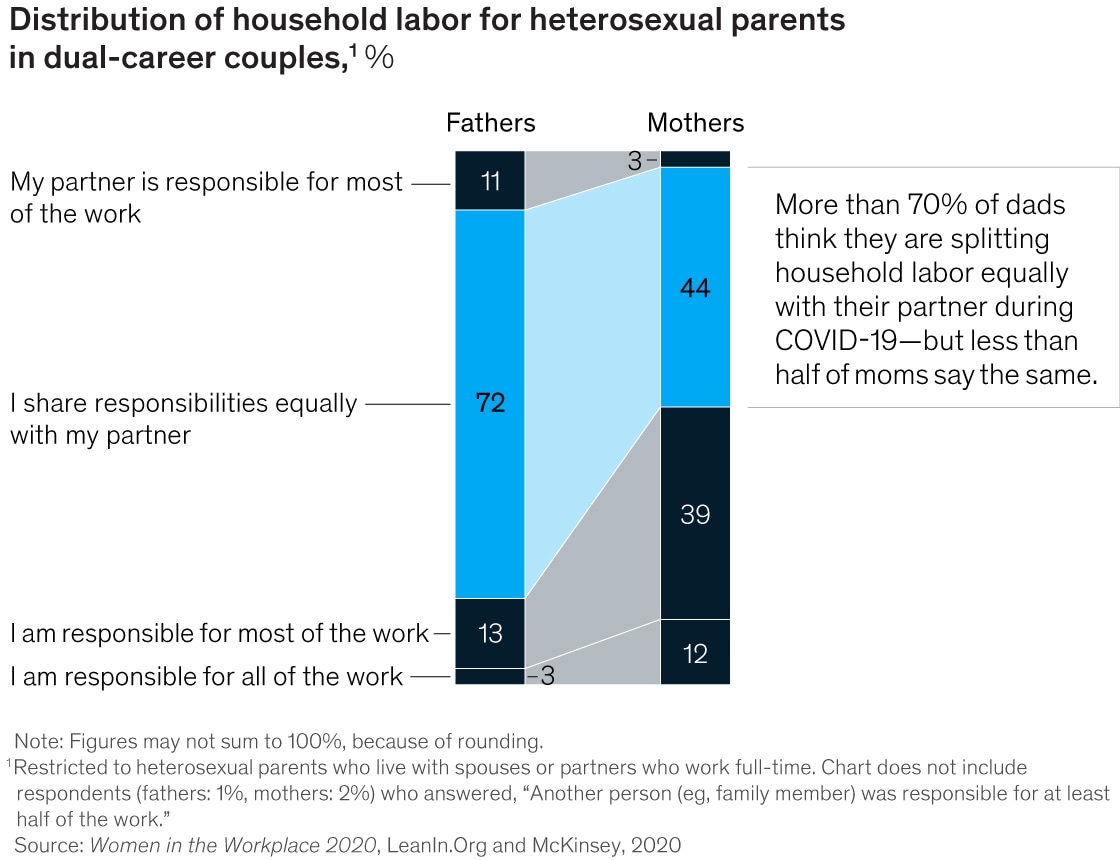
It's not exactly news: women do a lot more housework and childcare than men. The situation has gotten more skewed during the pandemic: in Canada and the United States, moms who are part of a dual-career couple are twice as likely as dads in a dual-career couple to be spending five more hours a day on chores. But a funny thing happens when you ask heterosexual parents about how they're splitting all the work at home. More than 70 percent of dads in dual-career couples say they're sharing responsibilities equally with their partners. Moms, on the other hand? They say that isn't the case. |
|
| More than a year into the COVID-19 pandemic, many employees are suffering from “virtual-meeting fatigue.” These meetings have also exacerbated a problem that already existed: a lack of female voices in the conversation. According to a survey conducted last year by the nonprofit Catalyst, nearly half of female business leaders in the United States feel that it's difficult for women to speak up in virtual meetings. Renowned voice and dialect coach Denise Woods notes that the loss of normal social cues in the moment leaves us relying on our voices, which few employees are using to their full advantage. “At this point, it's all we have to really show the fullness of who we are,” says Woods. She recommends a renewed focus on breathing, particularly before one speaks, even if that means an uncomfortable pause. Relaxing and connecting to the breath can also improve posture and delivery. Since virtual meetings are probably here to stay, that's a good lesson for everyone.
|
|
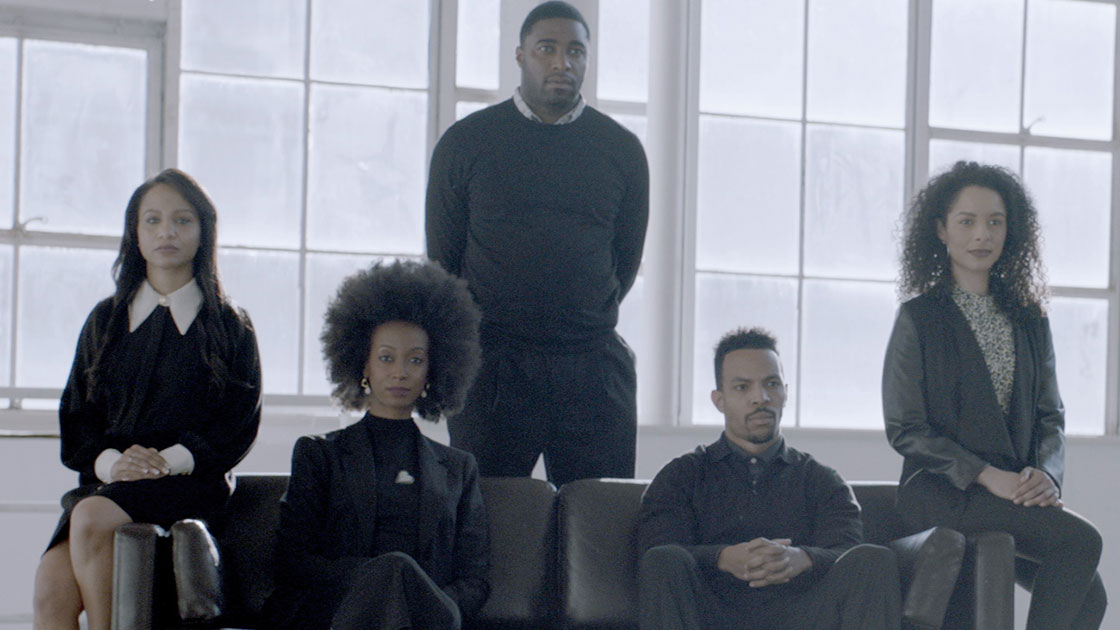
| Black professionals in the film and TV industry face barriers and inequities even once they're “in the door.” Both on- and off-screen, Black talent is pigeonholed and funneled to race-related content, which often plays into stereotypes. In the words of one creative executive, “When studios are looking for Black content, they're looking for Wakanda or poverty, with no in-between.”
|
| When the industry succeeds in dismantling the barriers preventing Black creators from telling a range of stories, viewers of all races will gain access to the many different products of Black creative expression. Ultimately, the reshaping of the film and TV ecosystem will play a role in reshaping ideas on race—and the advancement of racial equity—in America and beyond. |
| — Edited by Gwyn Herbein, an assistant managing editor in McKinsey's Atlanta office |
|
| Click to subscribe to this weekly newsletter |
|
|
Did you enjoy this newsletter? Forward it to colleagues and friends so they can subscribe too.
Was this issue forwarded to you? Sign up for it and sample our 40+ other free email subscriptions here.
|
|
|
Copyright © 2021 | McKinsey & Company, 3 World Trade Center, 175 Greenwich Street, New York, NY 10007
|
|
|