McKinsey & Company
Share this email LinkedIn Twitter Facebook
New from McKinsey & Company
Mental health, well-being, and work
The pandemic has taken a toll on our mental health—and it is difficult to contemplate the effects of living with a year (and counting) of disruption and uncertainty. If you have struggled emotionally, you are not alone: pre-COVID-19, almost 1 billion people worldwide had a mental or substance use disorder; that number has likely grown as a result of the pandemic. This is an opportune moment to take stock, and consider what lies ahead, particularly as Mental Health Awareness month draws to a close. Explore articles, videos, podcasts, and data that unpack some of the critical issues of the day, including:
  • the opportunity to enhance the access, affordability, quality, and experience of mental healthcare, and the benefits thereof
  • the disconnect between employers and their employees on topics of mental health, and what could help bridge the gap
  • trends in the utilization of mental health services and potential actions to mitigate the negative impact of COVID-19 on access to mental healthcare
Unlocking whole person care through behavioral health
The public, private, and social sectors can all play a role in improving access and outcomes for those with behavioral health conditions.
Improve outcomes   >
Unlocking whole person care through behavioral health
The future of behavioral health
Three vignettes illustrate how behavioral healthcare is experienced today, and what it may look like in the future when evidence-based prevention, treatment, and recovery supports are used to address whole person care.
Watch the video   >
National surveys reveal disconnect between employees and employers around mental health
National surveys reveal disconnect between employees and employers around mental health need
National surveys of employers and employees provide insights into mental health needs of the US workforce and how employers can best address them.
Bridge the gap   >
Five ways to design a better mental-health future for a stressed-out workforce
Almost 41 percent of Americans struggle with mental-health issues stemming from the COVID-19 pandemic, but many companies remain ill equipped to address the problem.
Address the challenge   >
COVID-19 and behavioral health: Consequences for companies and employees
The pandemic is exacerbating the US behavioral-health crisis, with stress, social isolation, and unemployment fueling up to $140 billion in added spending. A holistic approach to healthcare can help.
Grasp the impact   >
Out of the shadows: Sustainably improving workplace mental health
The COVID-19 pandemic has exacerbated preexisting workplace mental health challenges, creating a new imperative for leaders to take a holistic and methodical approach to workplace mental health.
5 core principles   >
Mental health in the workplace: The coming revolution
Employees are in need and are demanding better coverage. Here’s how leading companies get mental health coverage right.
6 actions that help   >
Impact of COVID-19 on behavioral health and potential contributing factors
Insights on utilization of behavioral health services in the context of COVID-19
Behavioral health needs have increased since the pandemic began even as the use of behavioral health services has decreased.
See the infographic   >
Strong minds, strong futures: Weaving together basic needs and behavioral health
Strong minds, strong futures: Behavioral health for the next generation
Public and private institutions can play an important role in addressing behavioral healthcare needs early and holistically.
Listen to the conversation   >
Open-access data on mental health
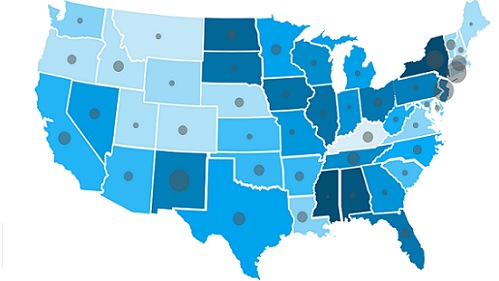
Use these interactive visualizations to explore the distribution of populations with mental health and substance use disorders across states and counties in the United States. Over 100 metrics are available, including depression prevalence, anxiety prevalence, psychiatrists and psychologists supply per 100K population, and other critical healthcare metrics.
Explore the data   >
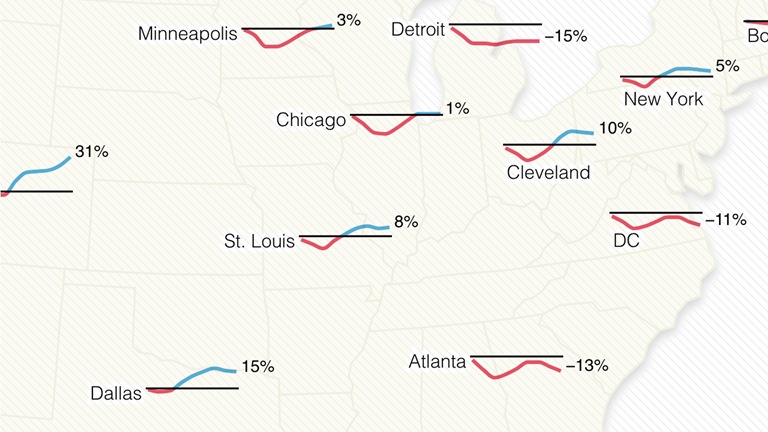
Tracking US behavioral health service use during COVID-19
Explore how usage trends of behavioral health services, such as psychotherapy and tele-behavioral health, were impacted by the COVID-19 pandemic in the United States.
See the interactive   >
— Curated by Torea Frey, a managing editor in McKinsey Global Publishing based in Seattle
McKinsey & Company
Follow our thinking
LinkedIn Twitter Facebook
McKinsey Insights - Get our latest
thinking on your iPhone, iPad, or Android
Download on the App Store   ANDROID APP ON Google play
Share these insights
Did you enjoy this newsletter? Forward it to colleagues and friends so they can subscribe too.
Was this issue forwarded to you? Sign up for it and sample our 40+ other free email subscriptions here.
Copyright © 2021 | McKinsey & Company, 3 World Trade Center, 175 Greenwich Street, New York, NY 10007