Is your financial advisory model keeping pace with your clients?
A widening finance advice gap is emerging in Hong Kong—and it isn't between humans and AI, but between advisors who use AI to raise their game and those who do not.
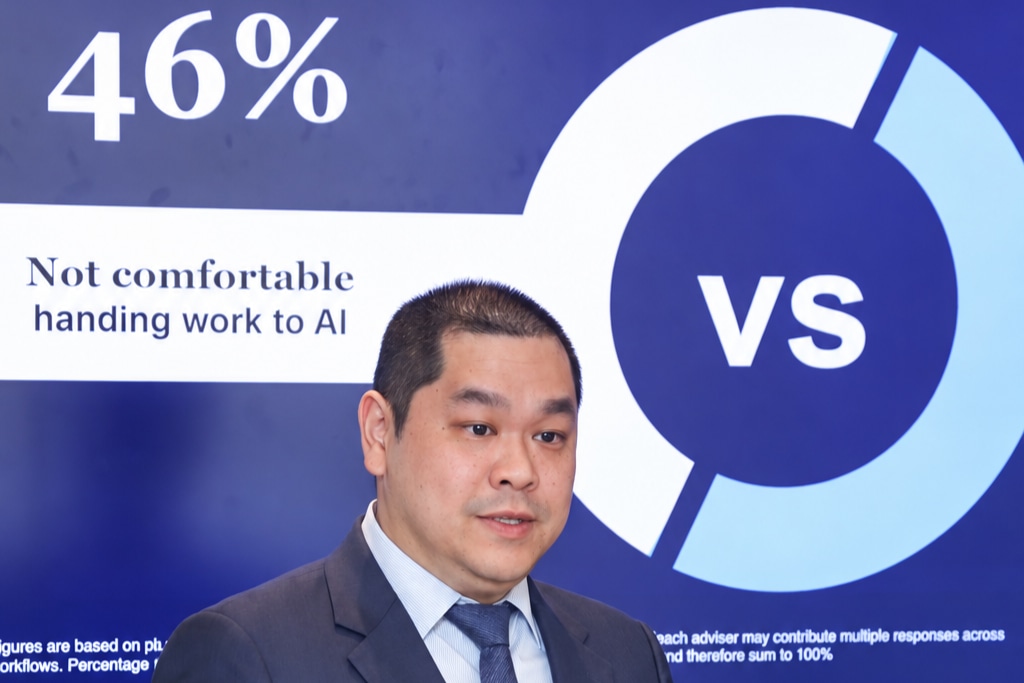
Our newly released McKinsey & Company survey reveals a striking mismatch: 50 percent of Hong Kong customers use AI before making financial decisions, yet 50 percent of advisors use AI less than once a week or never. AI is rapidly reshaping how customers seek and evaluate financial advice, but the survey shows this isn't a story of human obsolescence.
Roughly 80 percent of customers buying life, health, and wealth products still rely primarily on human advisors. But their reasons are practical: 43 percent want someone who deeply understands their personal situation, 41 percent want help avoiding costly mistakes, and 34 percent want concrete accountability.

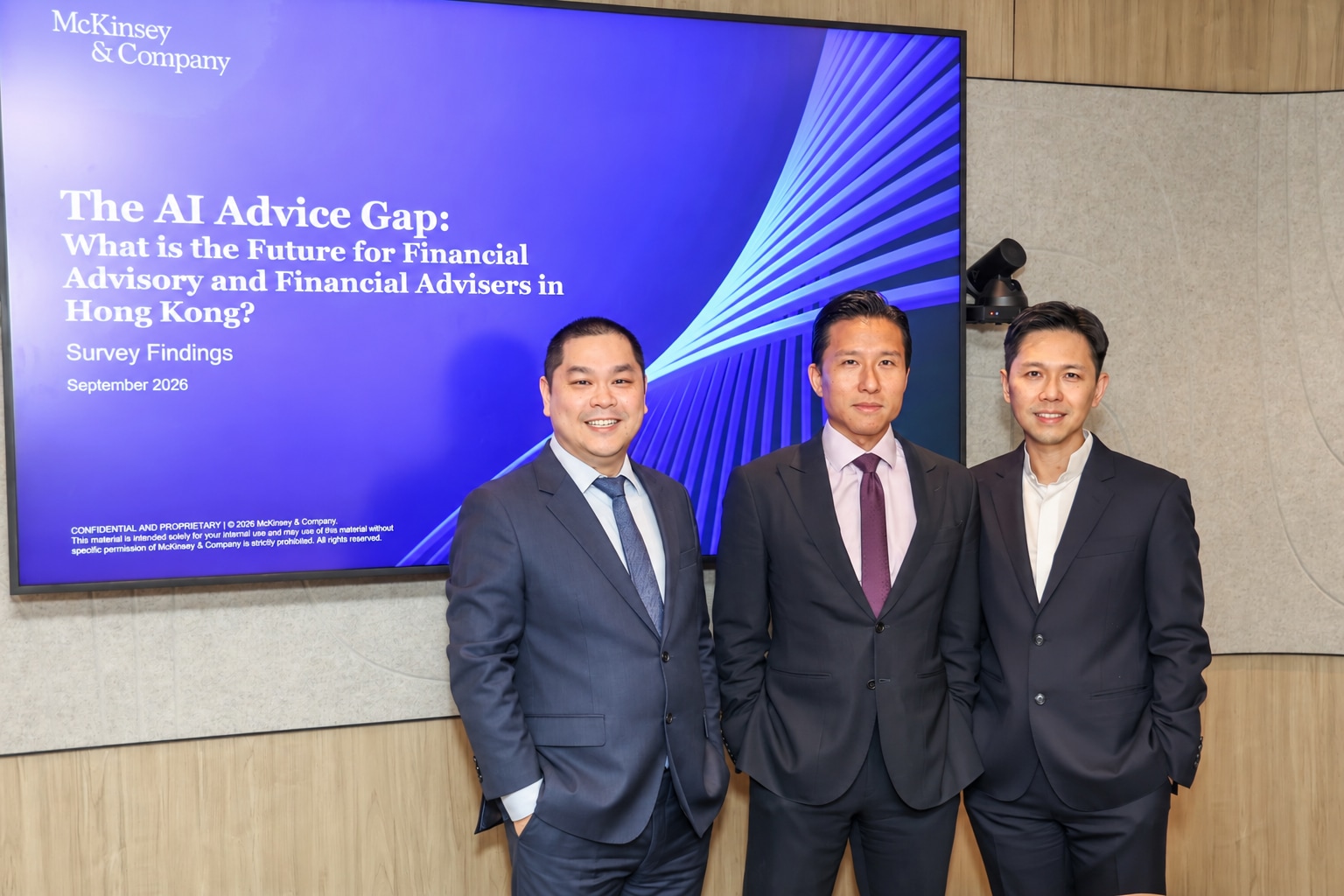
As Arthur Shek, Managing Partner of McKinsey & Company’s Hong Kong office, explains: "AI is not removing the need for human advice. It is changing the standard that sound advice must meet. Customers increasingly arrive with information, comparisons and questions shaped by AI, but they still want human judgment and accountability for consequential decisions. The real divide may therefore emerge between advisers who use AI to raise their game and those who do not."
Customers increasingly treat AI as a "second opinion," using it most when comparing products (34 percent) and making purchase decisions (30 percent).
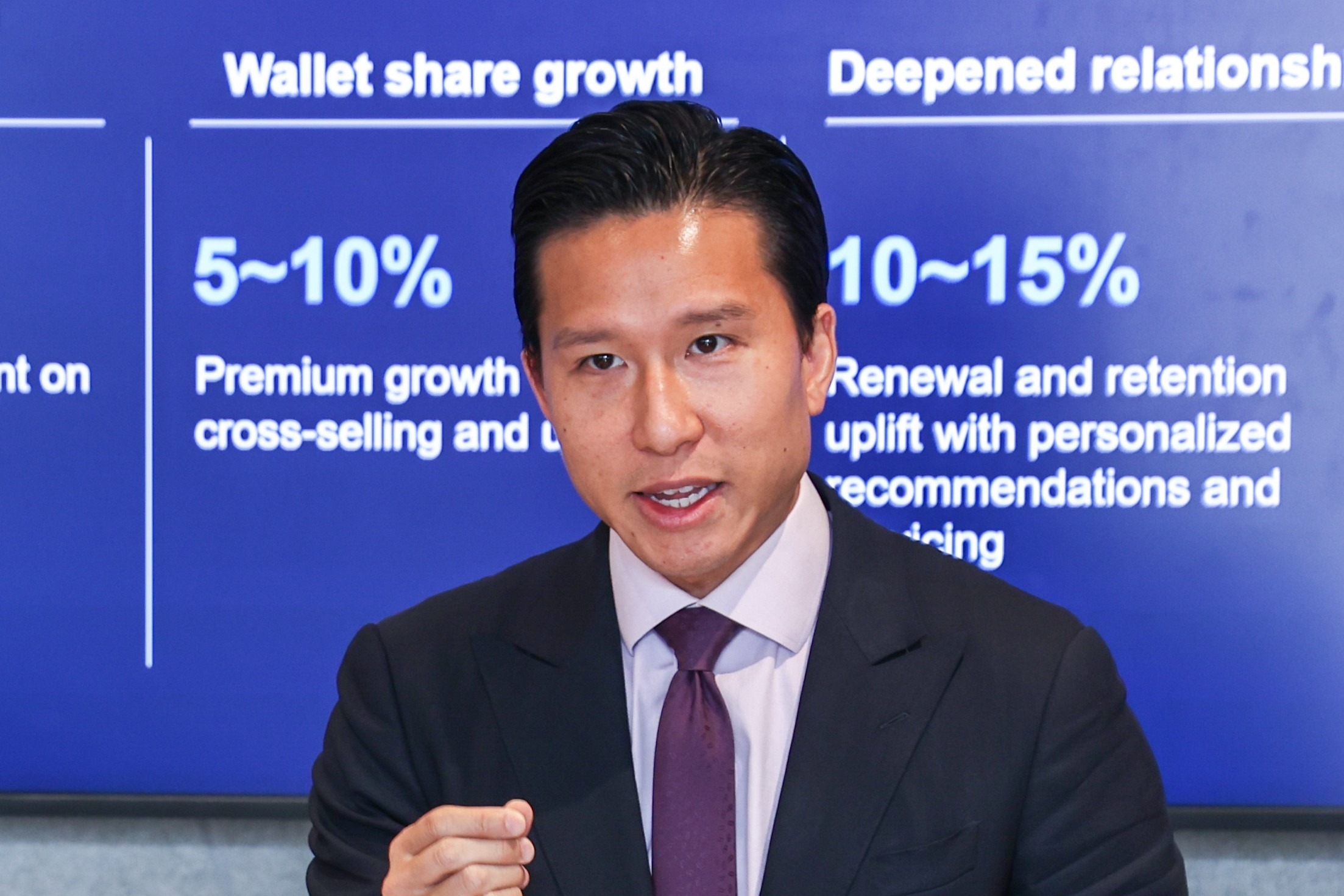
According to Jackey Yu, Partner and Leader of Asia Customer Experience and AI Transformation at McKinsey & Company: "The challenge is less about convincing advisers that AI matters, and more about showing them how it creates better outcomes for their clients. In most activities, the bigger barrier is not resistance, but the absence of tools that fit naturally into advisers’ daily work. Financial services institutions should move beyond standalone tools and focus on a small number of practical, high-impact use cases."
To close this gap, financial services firms should focus on four areas:
- Treat adoption as the product, not the software: Invest heavily in training and workflow redesign.
- Get the data foundation right before scaling: Fragmented records hold back willing advisors. Clean data is a mandatory prerequisite.
- Capture your best advisors' expertise in the system: Partner top advisors with developers so the best instincts raise the standard for everyone.
- Invest in the human skills AI cannot replicate: Double down on listening, empathy, building trust, and guiding clients through complex emotional situations.
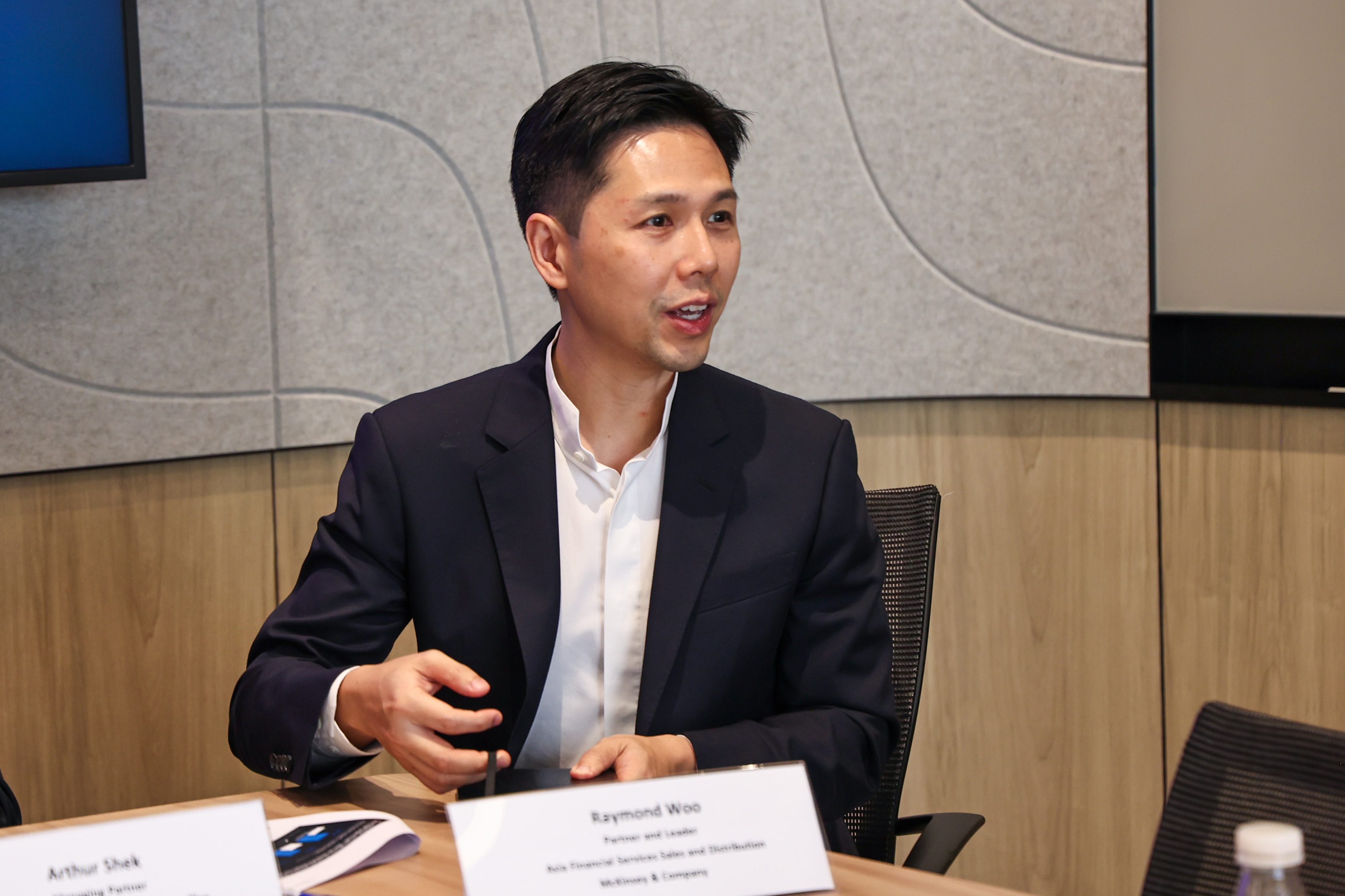
As Raymond Woo, Partner and Leader of Asia Financial Services Sales and Distribution at McKinsey & Company, emphasizes: "For decades, financial services institutions have competed on the professionalism and productivity of their advisory forces. AI can deliver a step change in both professionalism and productivity — but only when it changes how advisers actually work."