A few things stood out to our team on the ground in Taipei - and they aren’t the ones making the headlines.
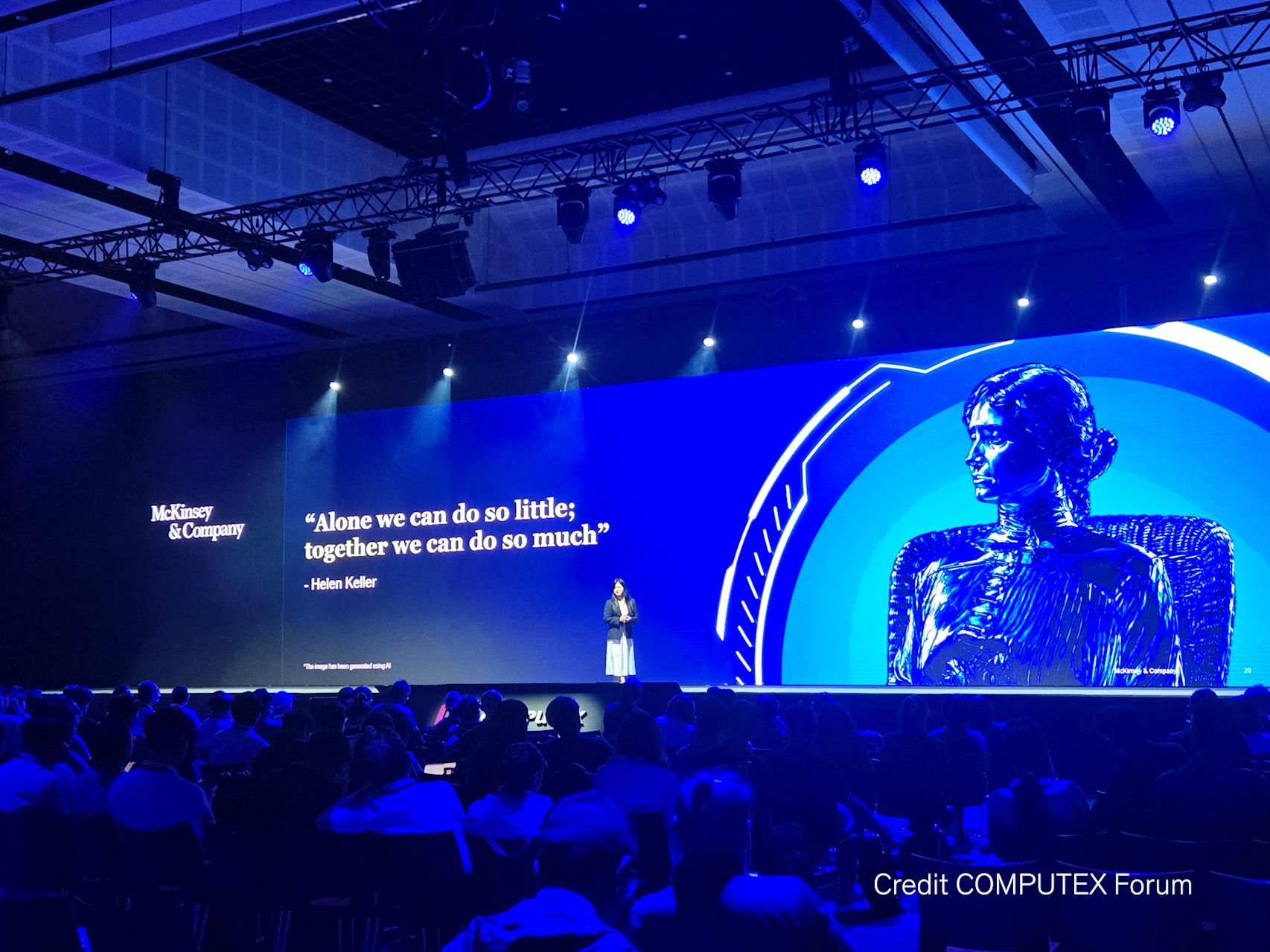
The hardware story is maturing. The harder story is just beginning. Taiwan is, without question, at the center of the AI infrastructure build-out. Frank Chu, Managing Partner of McKinsey’s Taipei Office, put it plainly: “Taiwan is on a rocket ship.” The momentum is real and the pace is breathtaking. But Frank's more important observation was the one that followed - that the next phase isn’t about who builds the fastest chip. It’s about who builds the most connected ecosystem. As AI infrastructure becomes more integrated, the strategy must shift from isolation to ecosystem building. “But as solutions integrate... let’s stop competing. Let’s start working together.”
Every CEO is asking the same question. Most aren’t ready for the answer. Is AI a cycle or a structural shift? Michael Chang, Partner, was direct: “From our perspective, it’s not going to be something that is just a fad.” But that’s not the reassuring statement it sounds like. Because in the same breath, Michael added: “it doesn’t mean that the challenge has already been resolved.” The real work - embedding these technologies into daily operating models and building future-proof tech stacks - is barely begun.
The value won’t come from the edge. It’ll come from the core.
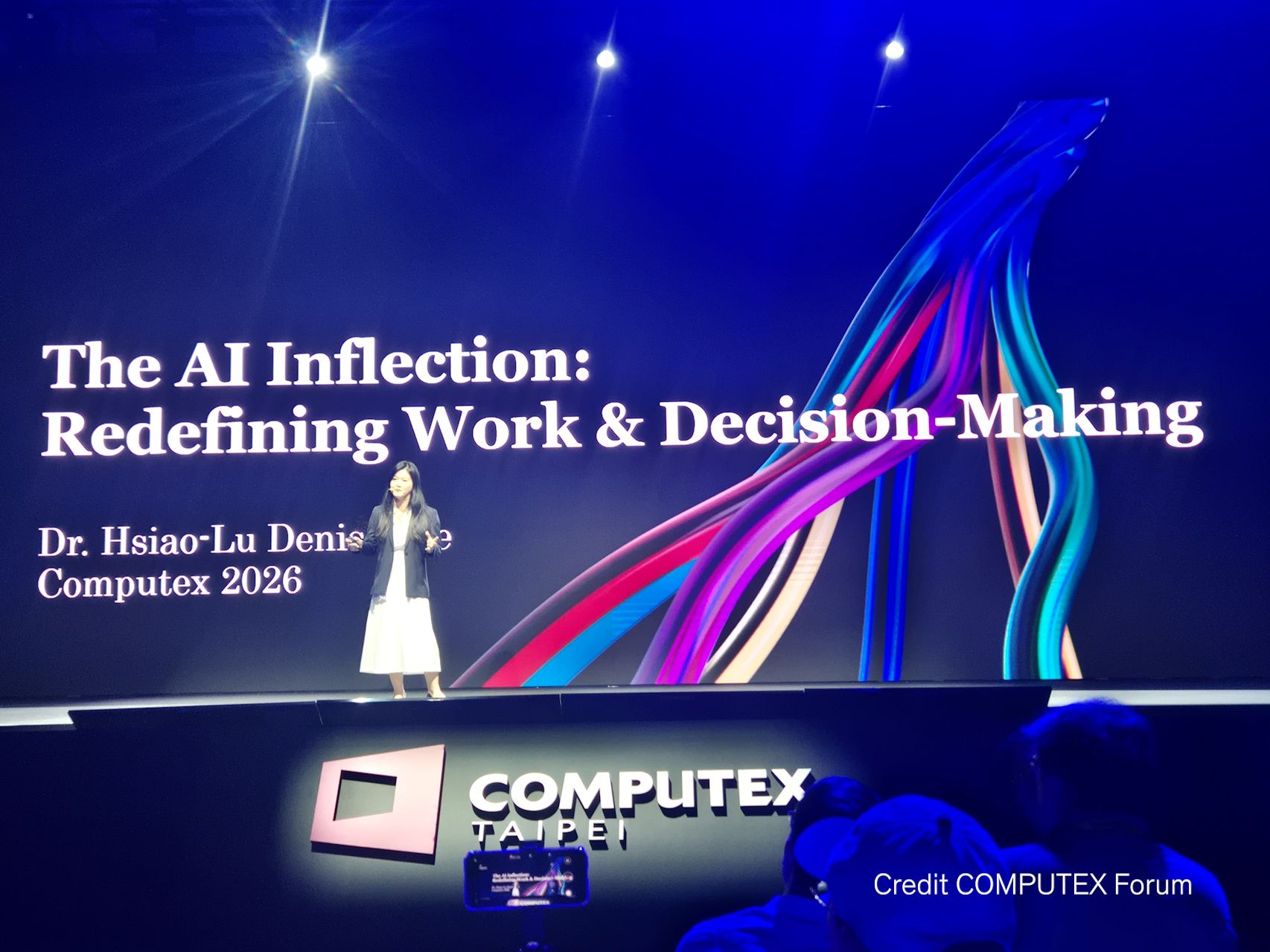
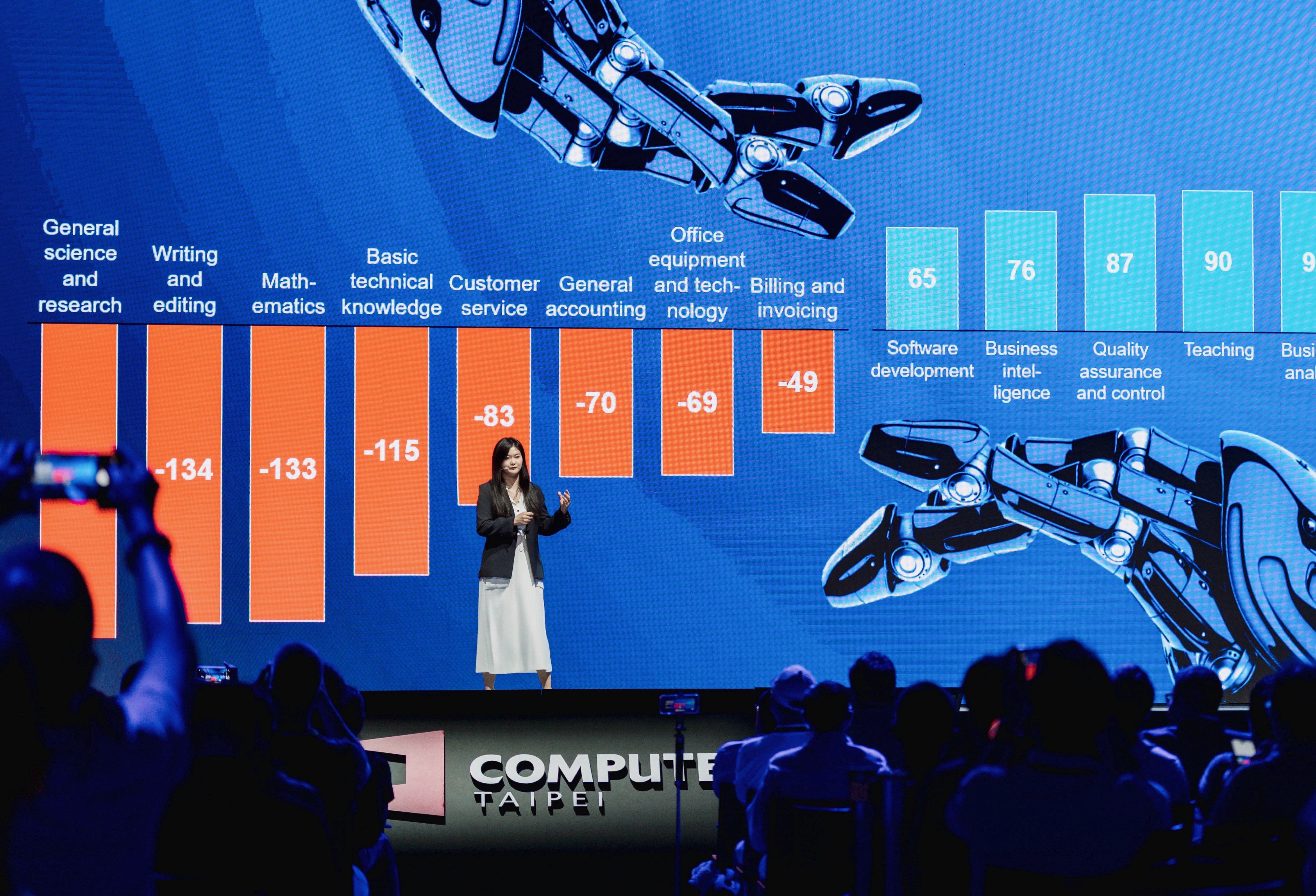
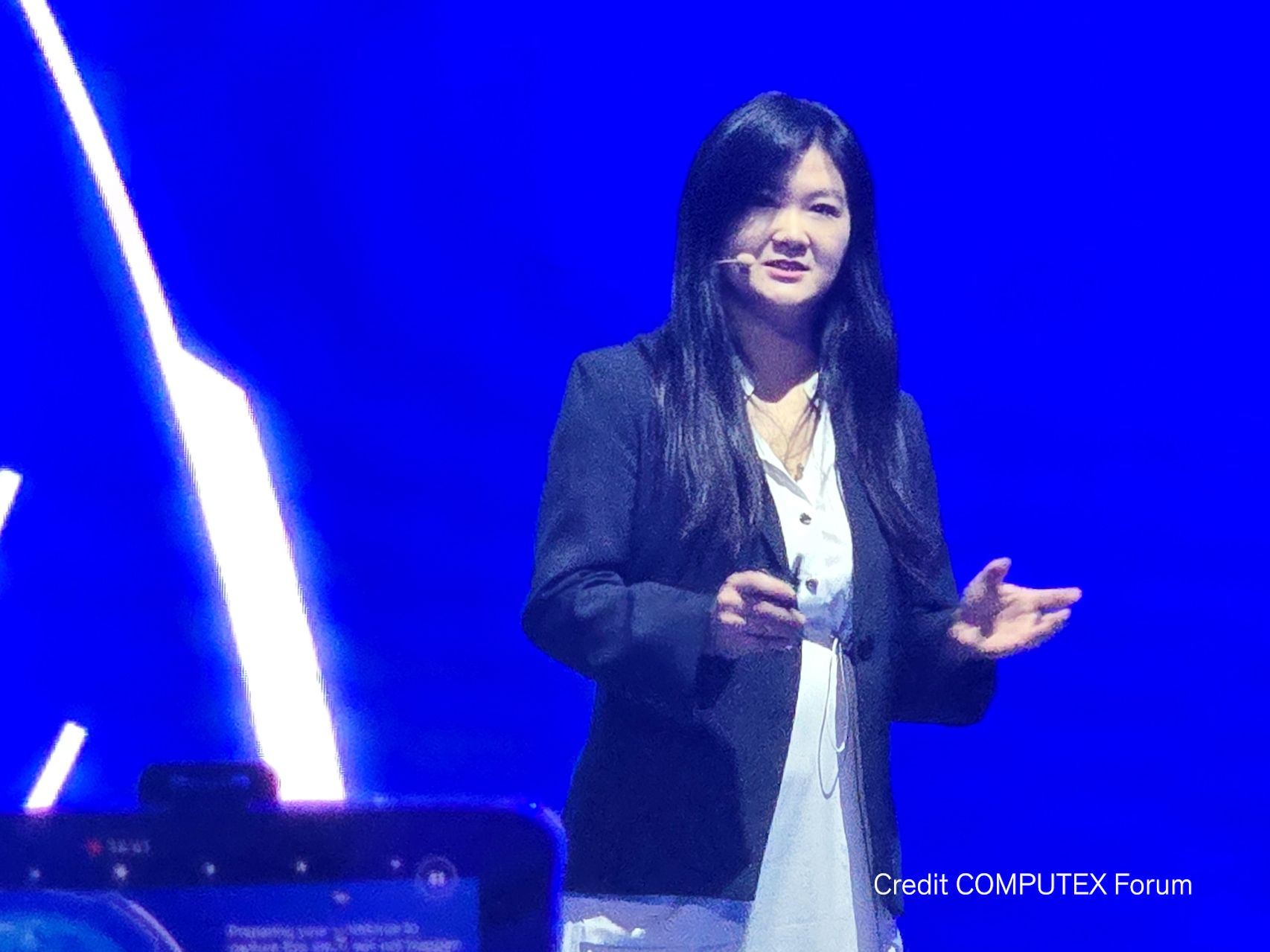
Hsiao-Lu Denise Lee, Partner, made the point that will matter most to business leaders: AI’s transformative value gets unlocked in the center of the business, not at its periphery, driven by a new dynamic between human capital and technology. “Looking ahead, I really think that the future is a highly collaborative one,” Denise noted. And the window to prepare is now: “For companies that are thinking about AI, it is not too early to already start thinking about what are your core business processes.” The companies asking that question today will be the ones setting the pace in three years.
The most interesting conversation at Computex wasn’t about AI.
Pooya Nikooyeh, Senior Partner, shared something striking: one of the most successful component suppliers at the show - riding the wave as well as anyone - was already asking a different question entirely: “What’s the next pillar I should be working on... to make me successful after this AI boom?” Not because they’re pessimistic about the current moment. Because that’s what winning looks like - building for today while architecting for what comes next.
The AI inflection point is real. But inflection points don’t reward the loudest room. They reward the clearest thinking.
Watch our full video recap from Taipei below.