Four tech CEOs on leading for ‘All Seasons’
Update: Since this blog was published, A CEO for All Seasons has been added to the New York Times bestseller list. The book’s perspectives—from leaders at Microsoft, Netflix, Adobe, IBM, and others—continue to spark conversations about what it takes to guide organizations through changing conditions.
From preparing for the role to leaving a lasting legacy, every CEO faces challenges that evolve over time. In A CEO for All Seasons, McKinsey’s newest book on leadership, executives like Microsoft’s Satya Nadella, Netflix’s Reed Hastings, IBM’s Arvind Krishna, and Adobe’s Shantanu Narayen share how they navigated these stages—and how today’s leaders can sustain performance and impact.
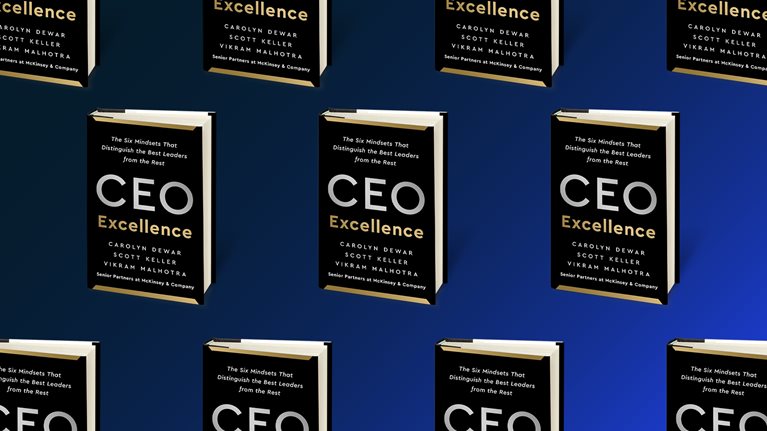
Building on McKinsey’s 2022 bestseller CEO Excellence, which distilled six mindsets of the world’s best leaders, A CEO for All Seasons shows how the CEO role itself changes over time. It offers a hands-on guide to thriving at every stage of leadership, complete with reflection exercises McKinsey uses to counsel CEOs.
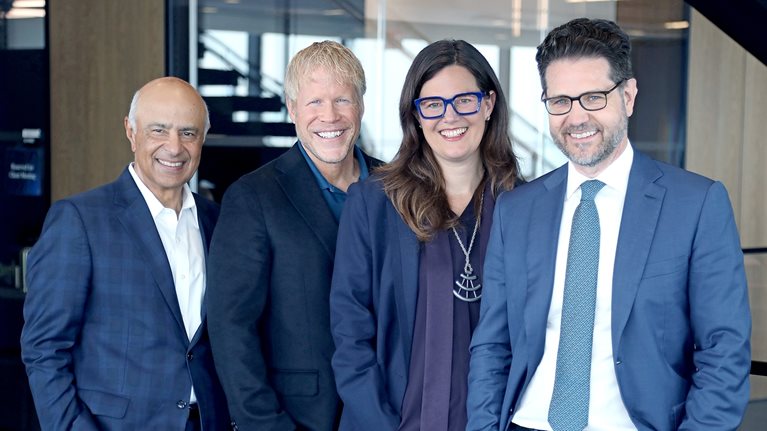
Written for aspiring senior leaders, first-time CEOs, and even board members, the book shares practical insights from more than 30 of the world’s top 200 CEOs. Below are a few highlights from the book.
IBM’s Arvind Krishna on clear purpose informing priorities
A successful CEO tenure begins well before the appointment, with deliberate skill-building, clear reflection on motivations, and an approach grounded in humility and authenticity.
However, it also requires a clear-eyed understanding of what the job truly entails. “There’s more things to do than you have time for,” says IBM’s Arvind Krishna. “You need to wake up to the fact that you have to give up certain things in your personal life.”
That’s why only those with a clear purpose—and a commitment beyond themselves—will have the resilience to thrive at the top.
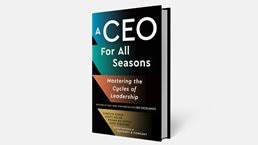
A CEO for All Seasons: Mastering the Cycles of Leadership
Adobe’s Shantanu Narayen on starting strong
Stepping into the CEO role brings a shift unlike any other leadership transition. Accountability expands overnight, and instead of reporting to only one manager, the CEO answers to a board of ten or more.
“The day you’re announced CEO, your role changes drastically. Before, you had peers, and now they’re looking at you to make the call,” explains Adobe’s Shantanu Narayen.
These first few years are a crucial time, requiring bold actions to set the tone, establish direction, and build credibility. With a clear, fact-based view of the business, the task then becomes identifying the few decisive moves that will truly shift performance.
As Adobe’s Narayen puts it, “You need to decide, what are the one or two things that I can do that will move the needle at the organizational level? There are fifty things that are table stakes that won’t inspire anyone. If I can talk about one or two things that can get a twinkle in your eye, I’ve done my job.”
Netflix’s Reed Hastings on making resilience a habit
Mid-tenure can often be a tricky season due to the risk of complacency and getting stuck on the success of old strategies.
Staying ahead means staying open—constantly questioning assumptions and avoiding the comfort of past wins. Netflix cofounder Reed Hastings made resilience a habit by asking his team to imagine failure before it happened: “It’s ten years out, and Netflix is a failed firm. What are the different causes?”
“Sometimes the discussion turned to what we can do about some of these risks,” he says, “but many times, just defining what risks we faced prompted people to adjust behavior in smart ways that made us more resilient.”
Microsoft’s Satya Nadella on leaving a stronger organization for your successor
In the final stage, the CEO’s focus shifts to continuity—ensuring the organization is left stronger than it was inherited. The best leaders see this as an institutional relay race, passing the baton to the next generation at the right time and for the right reasons.
“My dad, a civil servant in India, always used to talk about institution builders as those people whose successors do better than they did themselves. I love that definition,” Satya Nadella reflects. “If the next CEO of Microsoft can be even more successful than I am, then maybe I’ve done my job right.”